
Introduction
When importing vehicles from China, one of the first—and most critical—decisions you will face is choosing the right shipping terms. For many African car importers, this choice is about more than just logistics; it directly impacts your total landed cost, shipping control, risk exposure, and overall profit margins.
Choosing the wrong Incoterm can lead to hidden fees or logistical headaches. In this guide, we compare FOB vs. CIF for car exports and explain why seasoned traders consistently prefer the FOB model when sourcing from China.
Understanding FOB (Free On Board)
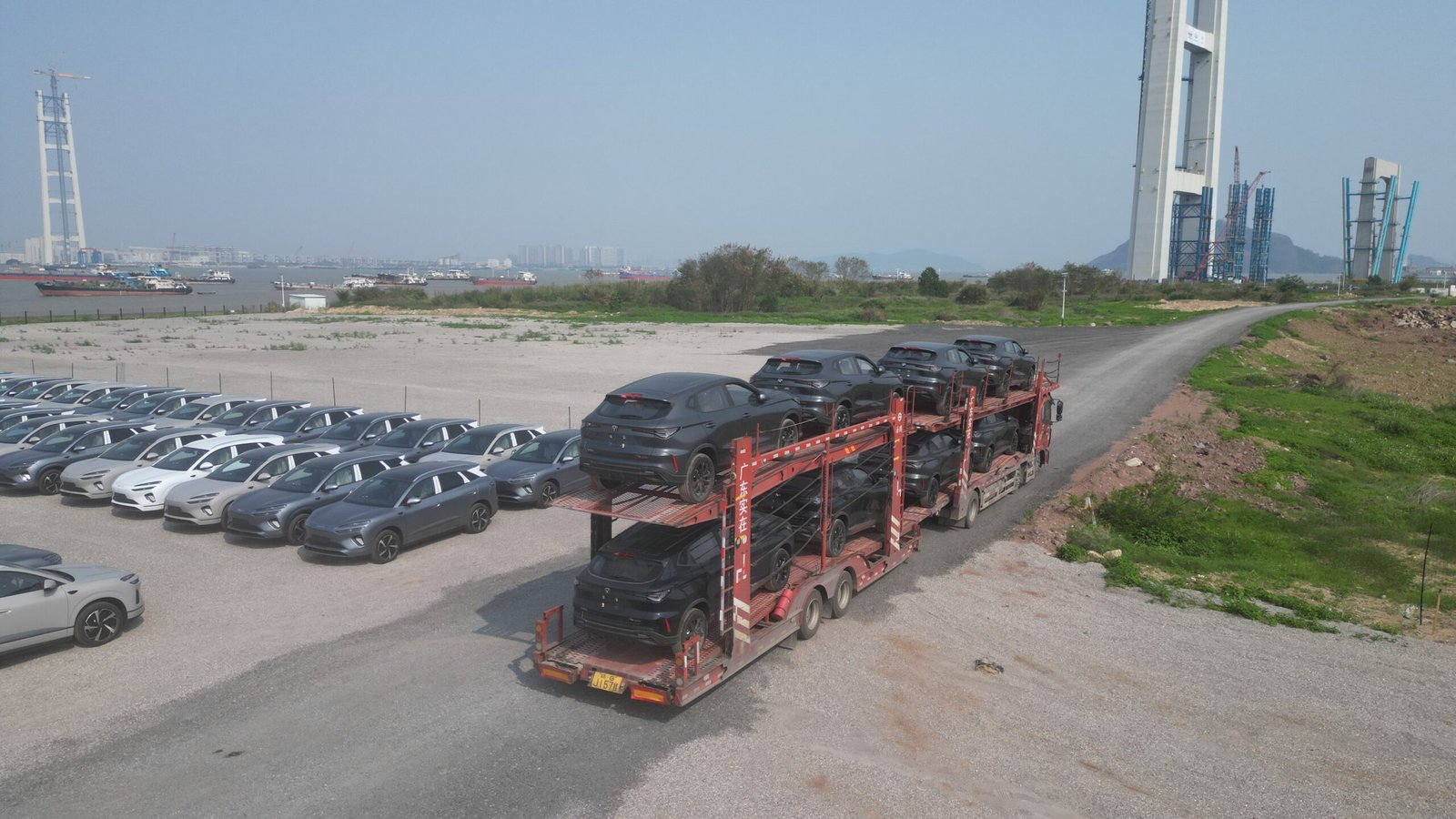
Under FOB terms, the seller’s responsibility ends once the vehicle is loaded onto the vessel at the port of departure (e.g., Guangzhou Nansha Port).
Why Experienced African Importers Prefer FOB Most high-volume African car importers moving cars from China to Africa eventually switch to FOB for several critical reasons, primarily focusing on transparency and cost efficiency.
Optimized Container Loading When you control the shipping, you can better manage mixed loading strategies. Efficiently packing 4 sedans instead of 3 can drastically reduce your ocean freight costs per unit, directly increasing your retail profit.
Understanding CIF (Cost, Insurance, and Freight)
Under CIF terms, the seller handles the logistics until the vehicle reaches your destination port (e.g., Lagos, Mombasa, or Durban).
Seller Covers: Vehicle cost, ocean freight, and minimum maritime insurance.
Buyer Covers: Local port handling, import duties, and final delivery.
While CIF may seem easier for beginners, it often hides inefficiencies that can eat into a trader’s budget.
FOB vs. CIF: Key Differences for African Importers
1. Cost Transparency & Control
FOB offers maximum transparency. Since you negotiate the freight directly with a forwarder, you know exactly what you are paying for. CIF bundles costs. It is common for sellers to include a markup on the freight or use carriers that charge higher “destination fees” upon arrival in Africa.
2. Logistics Flexibility
With FOB, you choose the shipping line and the schedule. This is vital for wholesalers who need to sync arrivals with market demand. Under CIF, you are at the mercy of the seller’s chosen route, which might involve longer transshipment times.
3. Risk Management
While CIF includes insurance, it is often the bare minimum. With FOB, you can arrange comprehensive insurance that ensures your investment is fully protected according to your specific needs.
Why Experienced African Importers Prefer FOB
Most high-volume traders moving cars from China to Africa eventually switch to FOB for three main reasons:
Optimized Container Loading
When you control the shipping, you can better manage mixed loading strategies. Efficiently packing 4 sedans instead of 3 can reduce the per-unit shipping cost by 25%, directly increasing your retail profit.
Avoiding Hidden Destination Fees
Many CIF shipments arrive with unexpectedly high “local handling charges” at African ports. By using your own forwarder under FOB, you can get an all-in quote upfront.
Stronger Supplier Leverage
FOB allows you to source vehicles from multiple Chinese suppliers and consolidate them via one trusted freight partner.
When Should You Choose CIF?
CIF might make sense if:
You are a first-time importer making a one-off purchase.
You do not have a reliable freight forwarder.
You prefer a “hands-off” approach despite the potentially higher cost.
Conclusion: The Smarter Choice for Growth
For serious importers in Nigeria, Ghana, Ethiopia, and beyond, FOB is the gold standard. It offers the cost control and logistical flexibility needed to scale a car dealership or wholesale business.
At Riching Auto, we primarily operate under FOB terms from Guangzhou Nansha Port. We believe in providing our clients with transparent pricing and the freedom to manage their logistics for maximum profitability.
Contact Us
Looking to import quality vehicles from China? We supply:
New and Used LHD Vehicles (Toyota, Haval, Geely, BYD, etc.)
Professional FOB Export via Guangzhou Nansha Port
Expert Advice on container loading and profit optimization
[Contact us today for the latest stock list and FOB quotations!]