Introduction
In the world of international car trading, the vehicle’s condition is only half the story—the other half is payment security. For many African importers, sending large sums of money across borders is the most stressful part of the process.
With the 2026 updates to China’s auto export regulations, payment safety is now closely tied to the exporter’s licensing and documentation. In this guide, we break down the most secure payment methods and structures used in FOB car exports from China.
Common Payment Methods in Car Export
1. Telegraphic Transfer (T/T)
T/T (Telegraphic Transfer) remains the standard for B2B vehicle transactions. In 2026, many African businesses are also using fintech platforms like Nilos or XTransfer to reduce intermediary bank fees and speed up the SWIFT process.
2. Letter of Credit (L/C)
For high-value wholesale orders (e.g., more than 10 units), a Letter of Credit offers the highest security. According to the International Chamber of Commerce (ICC), an L/C ensures payment is only released once the seller presents the Bill of Lading and Export License.
The Standard “30/70” Payment Structure
Most professional car exporters in China, including those operating out of Guangzhou Nansha Port, follow a split payment structure:
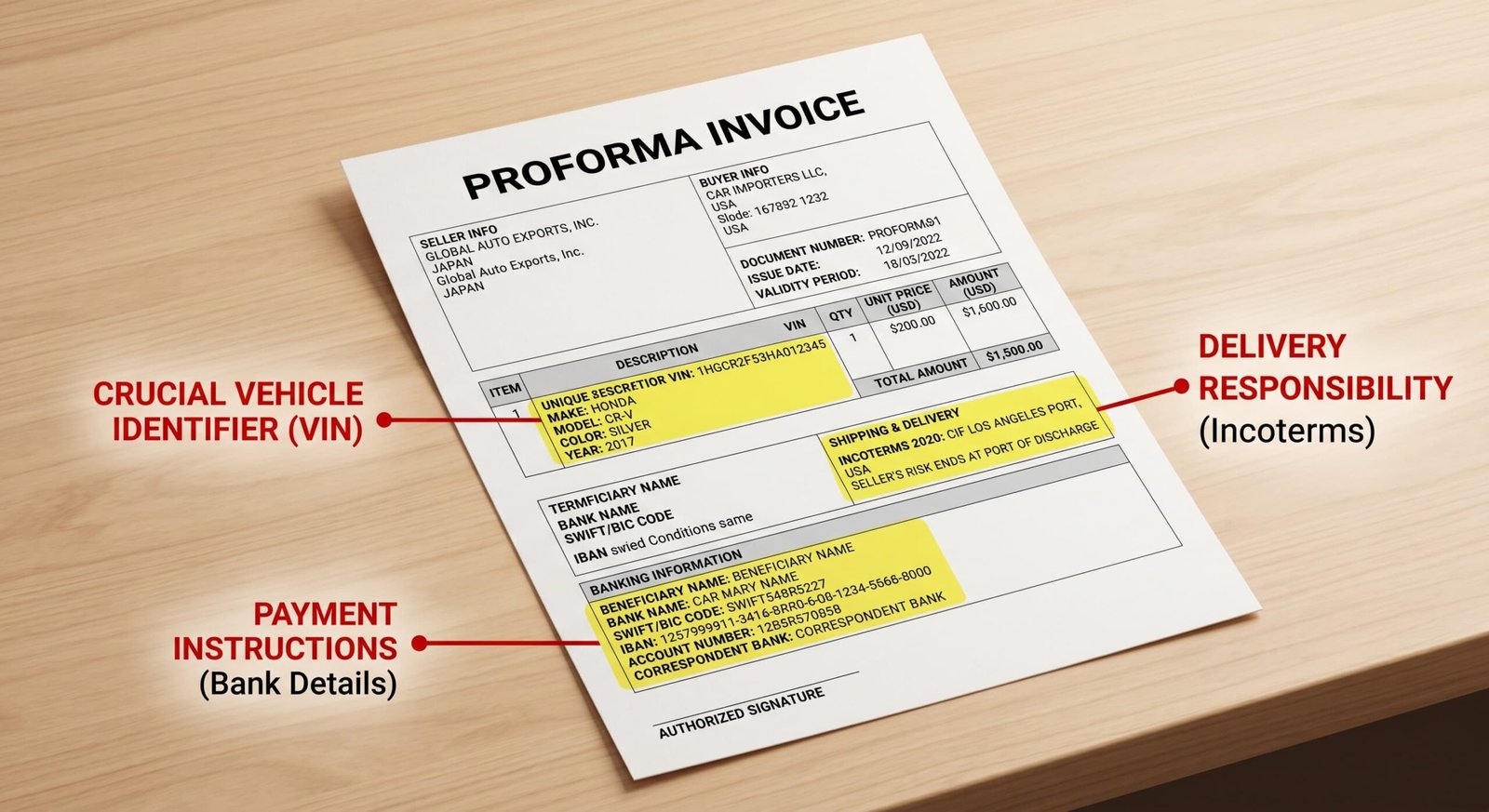
30% Deposit: Paid upon signing the Proforma Invoice (PI). This secures the vehicle and starts the export licensing process.
70% Balance: Paid once the vehicle is ready for loading and a Pre-Shipment Inspection (PSI) has been completed.
How to Verify a Supplier Before You Pay
Never send money based on a WhatsApp message alone. Follow these verification steps to protect your capital:
1. Check the Export License
As of January 1, 2026, China has implemented a “180-Day Rule” for used car exports. Ensure your supplier has a valid Used Car Export License and can provide a “Manufacturer After-Sales Confirmation Letter” if the car is nearly new (registered for less than 180 days).
(External Source: China’s New 2026 Auto Export Regulations)
2. Verify the Corporate Bank Account
Always transfer funds to a Mainland China Corporate Account. The account name must match the company name on the business license exactly. Avoid paying into personal accounts or offshore accounts in third-party countries.
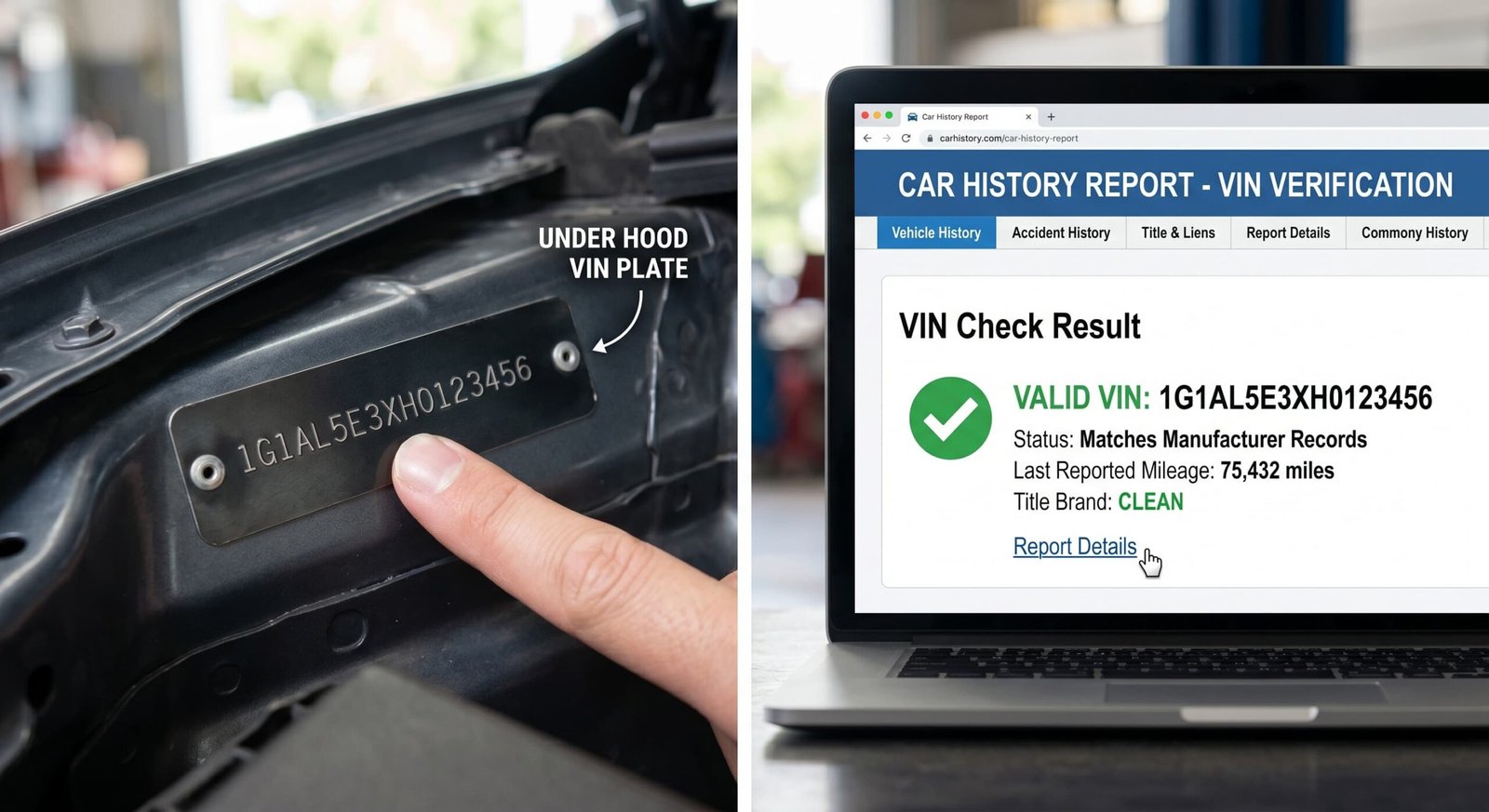
3. Request the VIN Early
A legitimate seller will provide the Vehicle Identification Number (VIN) in the contract. You can use this to verify the car’s history and ensure you are paying for a specific, existing vehicle.
The FOB Payment Timeline (Nansha Port Example)
For buyers using FOB Guangzhou Nansha Port terms, the process is transparent:
Deposit (30%): Secures the SUV or sedan.
Documentation: Supplier prepares the Export License and Customs Declaration.
Inspection: Buyer or a third-party agency (like SGS) inspects the car.
Balance (70%): Paid after the inspection is successful.
Loading: Vehicles are loaded at Nansha Port, and the Bill of Lading (B/L) is issued.
Red Flags to Watch For
Be extremely cautious if a supplier:
Demands 100% upfront payment before any documentation is shown.
Offers a price that is significantly lower than the market average (often a sign of tax fraud or a non-existent vehicle).
Cannot provide a video call to show the vehicle in their warehouse or at the port.
Conclusion
Safe payment is the foundation of a successful import business. By using a 30/70 T/T structure, verifying 2026 export compliance, and sticking to Mainland China corporate accounts, African importers can significantly reduce their risk.
At Riching Auto, we prioritize transparency. We provide all necessary licensing and VIN details upfront so you can pay with confidence and focus on growing your local dealership.