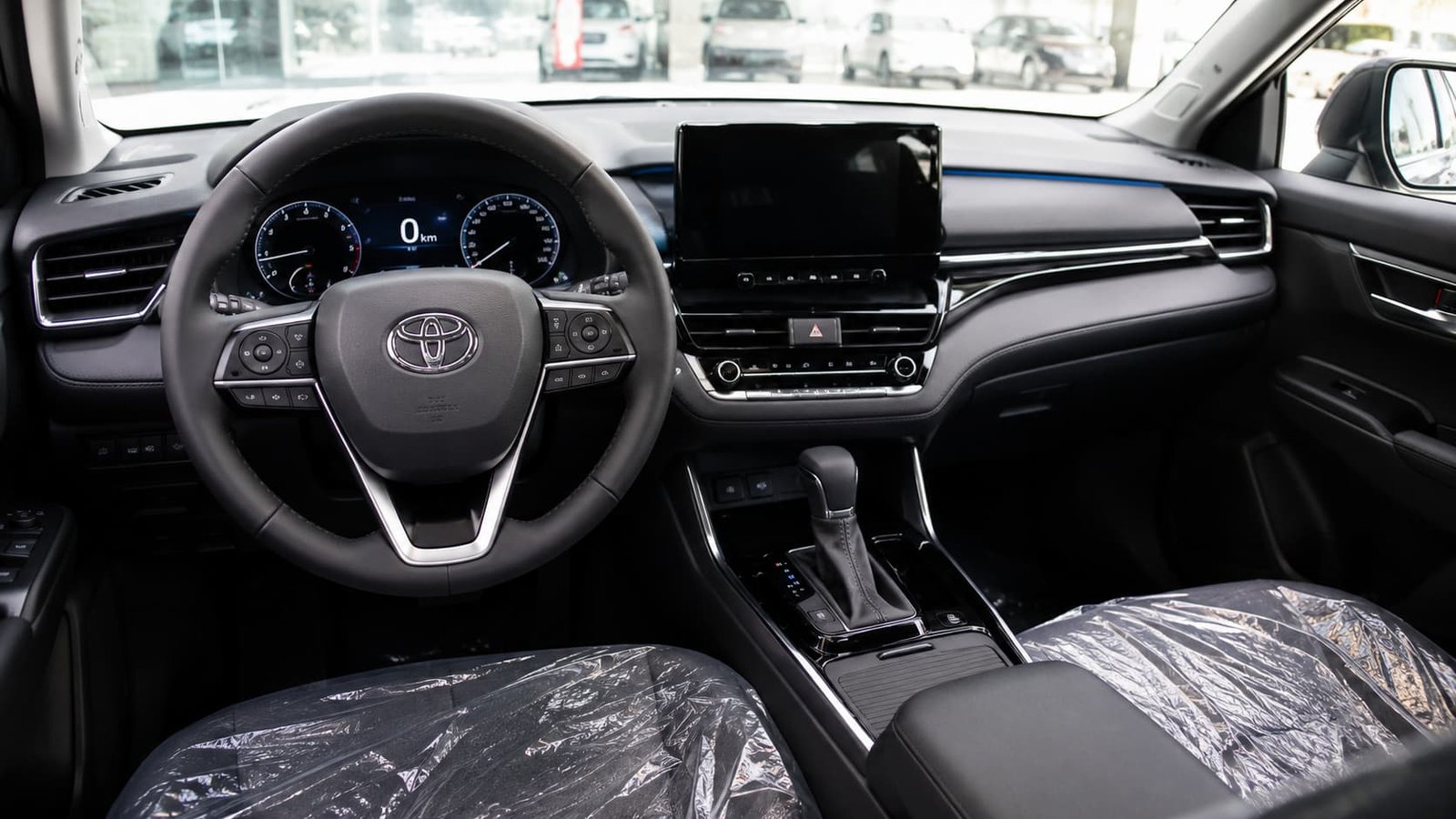
For many overseas car importers, one aspect of the 2026 Chinese auto market feels completely counterintuitive: Used Chinese vehicles often carry price tags nearly identical to their brand-new counterparts.
In some specific scenarios, a used car is actually more expensive than a factory-fresh model. This phenomenon is frequently seen with high-demand brands like BYD, Jetour, Chery, Geely, and GAC. For buyers in Africa, the Middle East, and South America, this leads to a logical frustration: “Why should I pay a premium for a used car if I can get a new one for roughly the same price?”
The answer lies in the mechanical differences between how China’s new car export system and its domestic second-hand market operate.
1. Exporters Access Direct “Wholesale” Pricing on New Cars
For brand-new vehicles, professional exporters do not walk into a retail dealership. Instead, they tap into direct channels such as manufacturers, authorized distributors, and high-volume procurement networks.
This institutional access creates massive advantages:
Manufacturer Incentives: For popular export models, factories often provide bulk discounts and export-specific subsidies to hit international targets.
Volume Procurement: Ordering in batches allows exporters to bypass retail markups, offering pricing that is often significantly lower than the “MSRP” seen by individual buyers.
As a result, some brand-new Chinese SUVs and EVs are hitting global ports at prices that are surprisingly—and disruptively—competitive.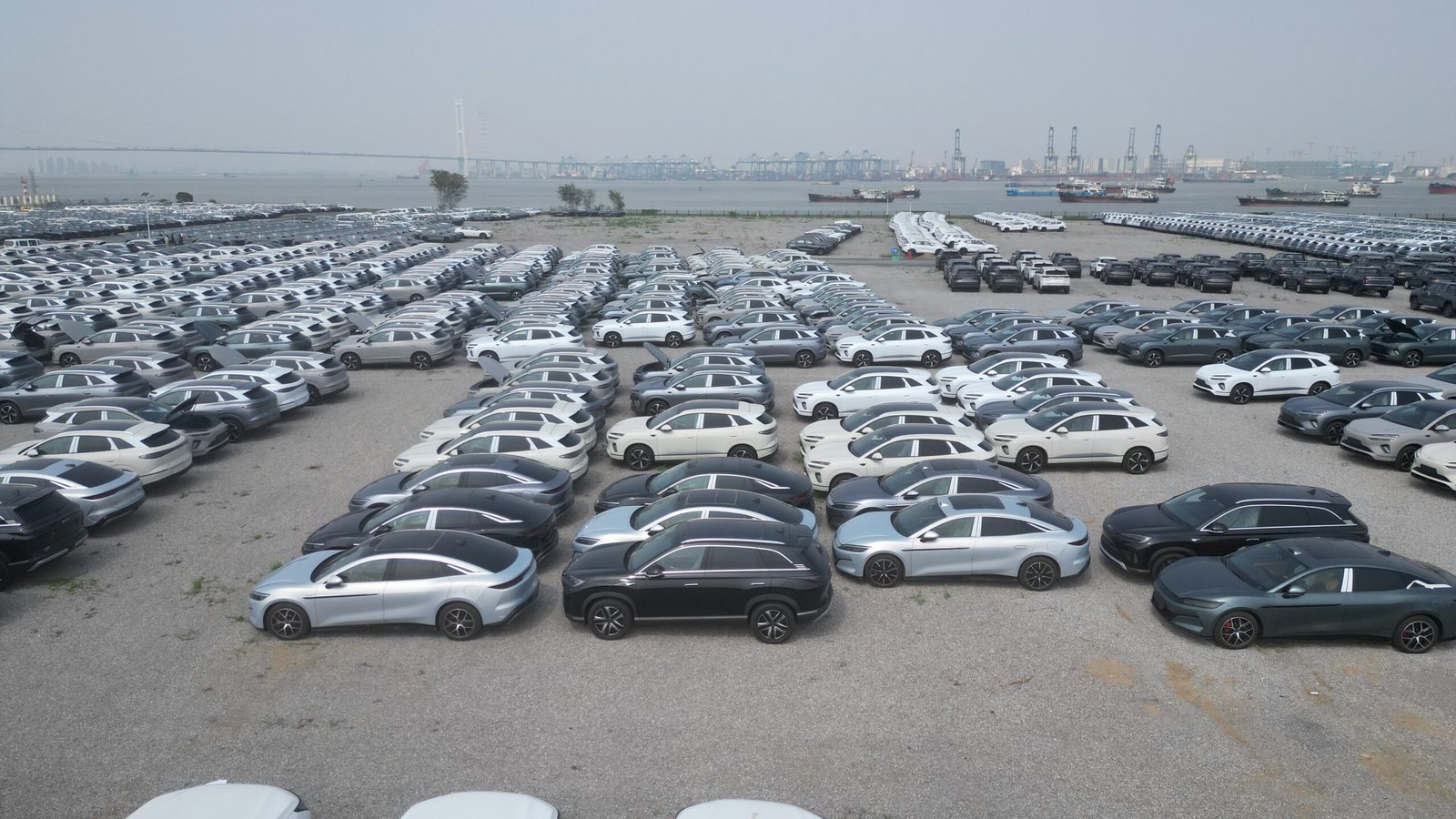
2. Used Cars Are Sourced from a High-Cost “Retail” Environment
While new cars come from the factory line, used cars are sourced from the individual retail market. Most used vehicles destined for export are purchased one by one from retail owners, domestic second-hand platforms, or local dealerships.
Unlike new cars, used inventory cannot be “ordered” from a factory. This process involves:
Manual Inspection & Sourcing: Exporters must physically find, inspect, and verify each vehicle.
Complex Logistics: Handling ownership transfers, deregistration, and domestic transport for individual units adds significant overhead costs per vehicle.
The “Value Retention” Factor: As noted by the International Trade Administration, the Chinese domestic market for used vehicles has become increasingly robust, meaning owners are less willing to “fire sale” their cars than they were five years ago.
3. The 180-Day Rule and Market Scarcity
In 2026, China’s export regulations have become more defined. One key factor is the “nearly-new” car. According to Reuters’ automotive industry updates, vehicles registered for less than 180 days are often used as “demonstrators” or “stock-gap” vehicles.
Because these cars are available immediately—while new factory orders might have a 2-to-4 month lead time—buyers are often willing to pay a premium just to avoid the wait. In international trade, availability is often more valuable than age.
4. The “Cheap Chinese Used Car” Myth
Many overseas buyers assume China is a dumping ground for dirt-cheap second-hand cars. This is largely a myth. Unless a vehicle falls into one of three categories—accident history, flood damage, or high-mileage fleet use—a standard Chinese used car maintains high resale value.
Domestic demand in China for reliable brands like Geely and Chery remains firm. When you combine high domestic resale prices with the costs of export licensing and shipping, the final FOB (Free On Board) price of a used car often ends up very close to the discounted price of a new export unit。
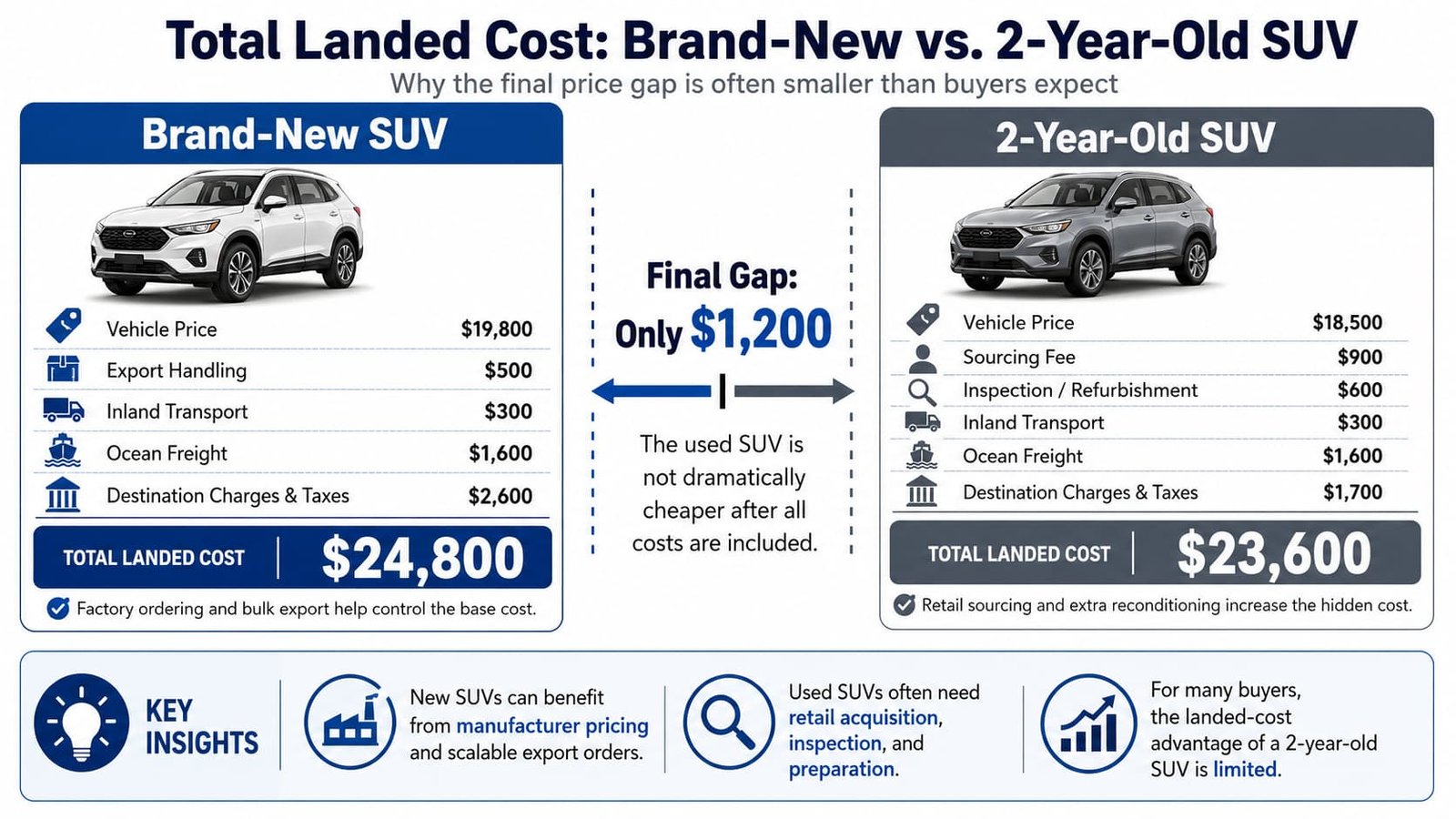
5. Why Do Importers Still Choose Used Vehicles?
If the prices are so close, why does the used car export market still exist?
Instant Fulfillment: Used cars are in the warehouse today. New cars are on the production line tomorrow.
Import Duty Loopholes: In many countries, the customs duties for used vehicles are significantly lower than for new ones, even if the purchase price is similar.
Discontinued Specs: Sometimes, a specific engine type or trim level from a previous year is preferred by a local market but no longer produced by the factory.
Conclusion: New is Often the Better Bet in 2026
Given that the price gap is shrinking, the trend for serious importers is moving back toward brand-new vehicles. The benefits of a factory warranty, “zero-mileage” battery health for EVs, and the prestige of selling a 2026 model often outweigh the marginal savings of a used car.
Before you make your next purchase, it is essential to ask your supplier for quotes on both. You might find that for a few hundred dollars more, you can upgrade your customers from a “pre-owned” car to a “factory-fresh” experience.