
The Growing Regret: Why Gas Cars Are Losing Their Appeal
For decades, gas cars were the default choice. But today, that default is disappearing. More consumers are actively comparing gas car vs electric car options before making a purchase—and many who didn’t are now reconsidering.
One major reason is awareness. Buyers today are more informed than ever. They are not just looking at upfront cost; they are analyzing long-term ownership expenses, resale value, and environmental impact. This shift in mindset is exposing the disadvantages of gas cars that were previously overlooked.
Another factor is market evolution. Automakers are investing heavily in EV technology, which means gas vehicles are no longer the center of innovation. As a result, many gas car owners feel like they are driving something that is slowly becoming outdated.
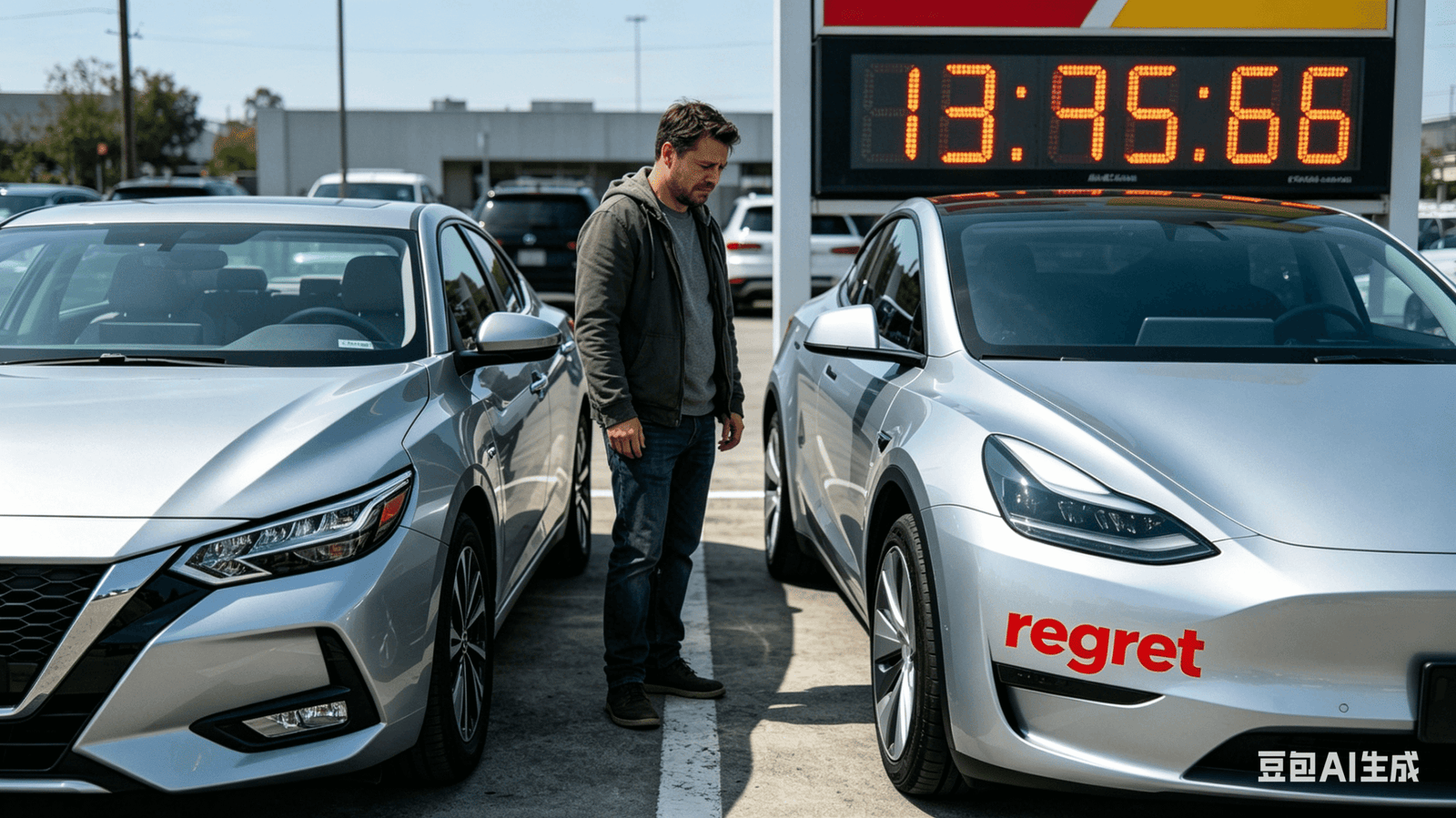
The True Cost of Fuel: A Long-Term Financial Burden
Fuel costs are one of the biggest reasons people regret buying a gas car. While the initial purchase price may seem reasonable, the ongoing expense of gasoline adds up significantly over time.
Gas prices are highly volatile and influenced by global markets, political events, and supply chain disruptions. This unpredictability makes it difficult for car owners to plan long-term budgets.
In contrast, EV owners benefit from more stable electricity costs. When comparing fuel cost vs electricity cost, the difference becomes even more obvious over several years. Many drivers realize too late that the money saved upfront on a gas car is quickly lost at the pump.
Maintenance and Repairs: Why Gas Cars Cost More Over Time
Another hidden cost of owning a car is maintenance—and this is where gas vehicles fall behind significantly.
Gas-powered cars have hundreds of moving parts, including engines, transmissions, exhaust systems, and cooling components. Each of these parts requires regular servicing and eventual replacement. Oil changes, spark plugs, timing belts, and engine repairs all contribute to rising maintenance bills.
Electric vehicles, on the other hand, have far fewer moving parts. There’s no engine oil, no exhaust system, and fewer components that can fail. This results in lower long-term maintenance costs and fewer trips to the repair shop.
When people compare car maintenance cost between EV vs ICE vehicles, the difference becomes a major factor in buyer regret.
Depreciation: Are Gas Cars Losing Value Faster?
Depreciation is another area where gas car owners are starting to feel the impact.
As demand for electric vehicles grows, the resale value of gas cars is becoming less predictable. Some models are depreciating faster than expected, especially in regions where EV adoption is accelerating.
Buyers who purchased gas cars just a few years ago are now finding that their vehicles are worth significantly less on the resale market. This is particularly frustrating for those who planned to upgrade or sell their cars in the near future.
In contrast, many EVs are holding their value better due to strong demand and limited supply in certain markets.
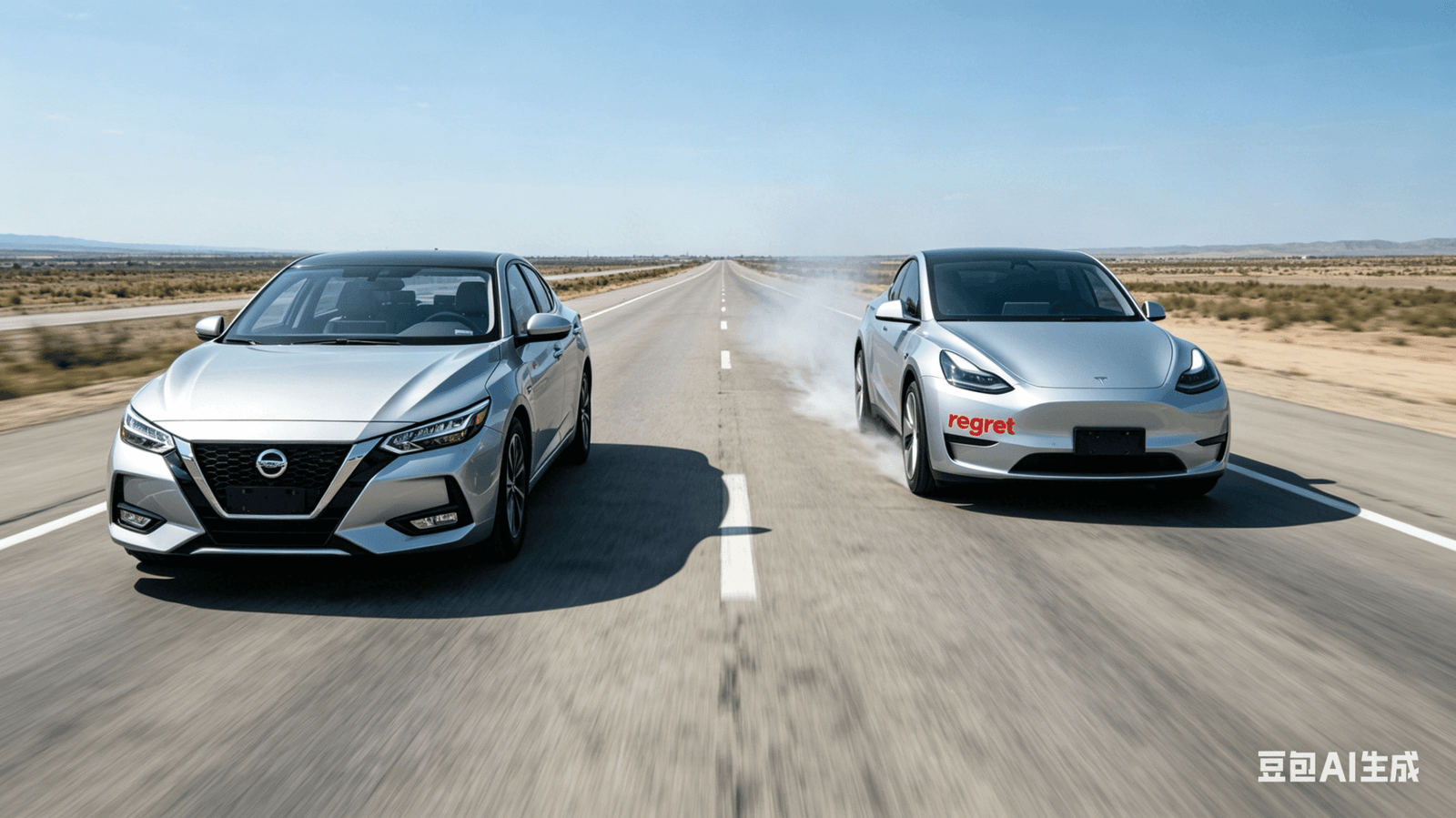
Driving Experience: Convenience vs Innovation
Driving a gas car used to be synonymous with convenience. But that perception is changing.
Electric vehicles offer instant torque, smoother acceleration, and a quieter driving experience. Many drivers who switch to EVs find it difficult to go back to traditional gas-powered cars.
Additionally, EVs often come equipped with advanced software, over-the-air updates, and smart features that enhance the driving experience over time. Gas cars, by comparison, can feel less dynamic and technologically outdated.
This gap in innovation is another reason why people begin to regret buying a gas vehicle.
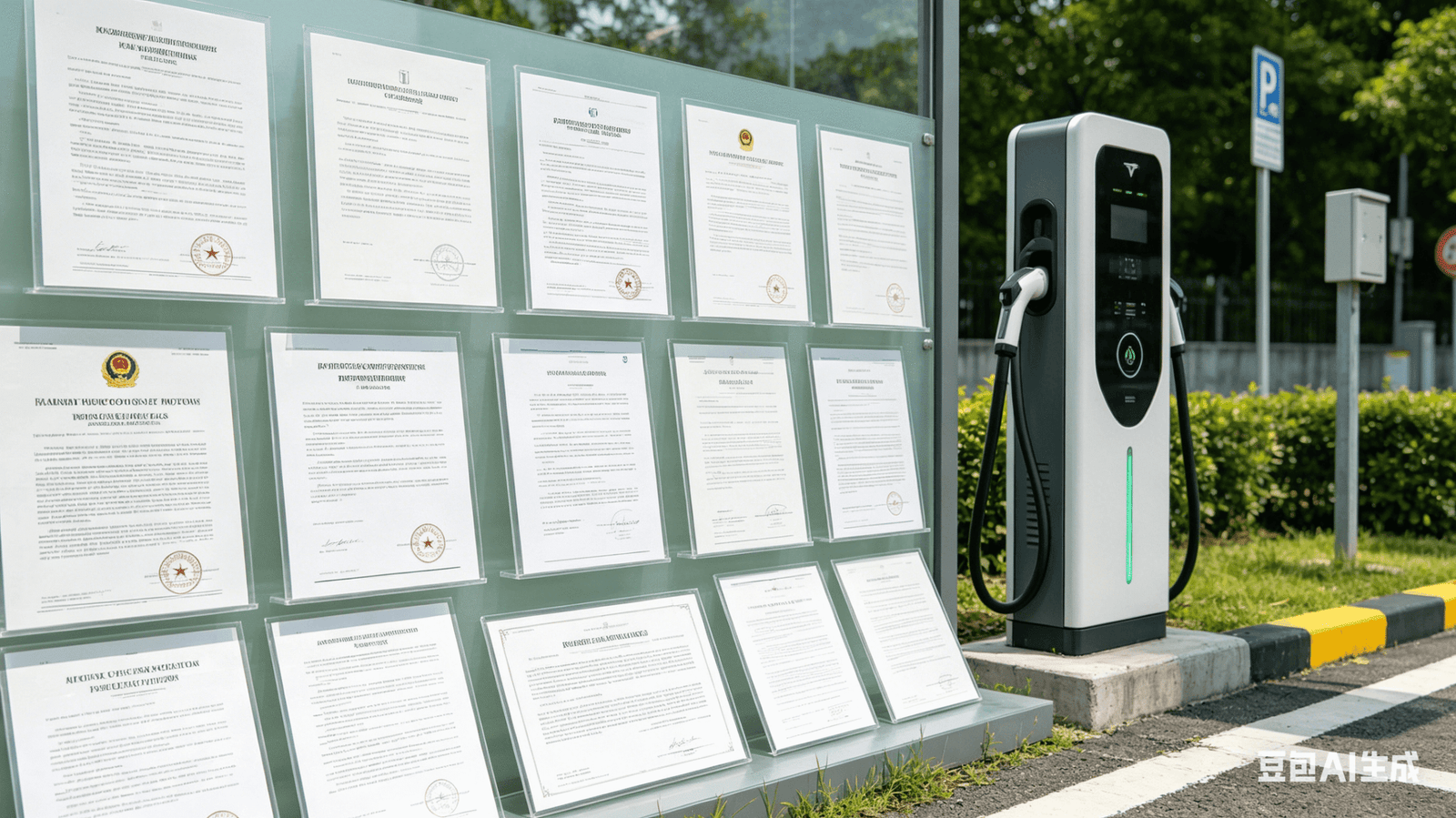
Environmental Pressure and Policy Changes
Governments around the world are introducing stricter emissions regulations and promoting cleaner transportation options. These policy changes are directly impacting gas car ownership.
In some areas, incentives for EVs make them more affordable, while taxes and restrictions on gas vehicles are increasing. Low-emission zones, fuel taxes, and future bans on internal combustion engines are becoming more common.
As a result, owning a gas car may become more expensive and less convenient over time. Many buyers did not anticipate these changes when they made their purchase, leading to long-term regret.
Gas Cars vs Electric Cars: A Real Cost Comparison
When comparing EV vs ICE cost over time, the results are often surprising.
While gas cars may have a lower upfront price, their total cost of ownership tends to be higher due to fuel, maintenance, and depreciation. Electric vehicles, although sometimes more expensive initially, often provide better long-term value.
This is why many experts now recommend evaluating the total cost of ownership rather than just the purchase price. Once all factors are considered, EVs frequently come out ahead.
Who Should Still Consider Buying a Gas Car?
Despite the growing trend toward electrification, gas cars are not completely obsolete.
Drivers who frequently travel long distances in areas with limited charging infrastructure may still find gas vehicles more practical. Similarly, buyers on a tight budget may prefer the lower upfront cost of a gas car.
However, even in these cases, it’s important to carefully evaluate long-term expenses and future resale value before making a decision.
The Future of Driving: Is It Time to Switch to Electric?
The automotive industry is undergoing a major transformation. Electric vehicles are no longer a niche option—they are becoming the mainstream choice.
As technology continues to improve and charging infrastructure expands, the advantages of EVs will only become more pronounced. This shift is already influencing consumer behavior and reshaping the market.
For many drivers, the question is no longer “if” they should switch, but “when.”
Conclusion
The growing regret among gas car owners is not based on a single factor, but a combination of rising fuel costs, higher maintenance expenses, faster depreciation, and rapid technological change.
What once made gas cars the obvious choice is now being challenged by more efficient, cost-effective, and future-proof alternatives. As electric vehicles continue to gain traction, the gap between the two options is becoming increasingly difficult to ignore.
If you’re considering buying a car in 2026, it’s essential to look beyond the sticker price and evaluate the full picture. Understanding the hidden cost of owning a car can help you make a smarter, more informed decision—and avoid becoming part of the growing group of drivers who regret their purchase.