
Why Global Customers Choose to Import Used Bus from China
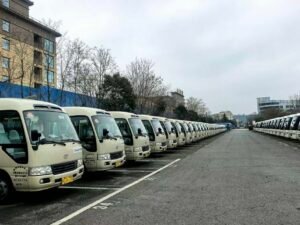
As of 2026, the global demand for used buses from China has reached an all-time high. International buyers are increasingly turning to the Chinese market for several strategic reasons:
Unmatched Value: You can buy used coach bus China at a fraction of the cost of new European or American models without sacrificing reliability.
Modern Fleet: Due to strict urban renewal policies in China, many exported buses are only 5–8 years old and equipped with modern amenities.
Green Energy Leadership: China offers the world’s largest inventory of second-hand electric and hybrid buses, helping global cities meet carbon-reduction goals.
Popular Models for Second Hand Bus China Export
The inventory for second hand bus China export is diverse, catering to various transportation needs:
Minibuses: Ideal for short-distance shuttles and rural transport (e.g., Toyota Coaster style or Hiace models).
Medium Buses: Perfect for corporate staff commuting and school transport.
Large Coach Buses: High-capacity vehicles from brands like Yutong or King Long, designed for long-distance travel and tourism.
The 4-Step Sourcing Process to Buy Used Coach Bus China
Successfully managing an import used bus project requires a structured approach:
Vehicle Selection: Define your seating capacity, fuel type (Diesel/Electric), and budget.
Rigorous Inspection: Always request a third-party technical report covering the engine, chassis, and battery health (for EVs).
Loading & Securing: Vehicles are carefully loaded onto specialized vessels to prevent damage during transit.
Export Clearance: Ensuring all deregistration and export licenses are processed according to Chinese customs law.
Strategic Advantages of Bus Shipping from Nansha Port
When it comes to logistics, bus shipping from Nansha Port (Guangzhou) stands out as the premier choice for international buyers.
Ro-Ro Expertise: Nansha Port features world-class Roll-on/Roll-off (Ro-Ro) terminals specifically designed for large vehicles.
Geographic Hub: Located in the heart of the Pearl River Delta, it offers the shortest transit times to Southeast Asia, Africa, and the Middle East.
Streamlined Customs: Nansha’s “Green Lane” for used vehicle exports ensures that documentation and inspections are handled with maximum efficiency.
Total Cost Breakdown: What to Budget For
To import used bus successfully, you must look beyond the sticker price. Your total investment includes:
FOB Price: The cost of the vehicle delivered to the port.
Freight Charges: The cost of bus shipping from Nansha port to your destination.
Import Duties & Taxes: Destination-specific fees based on your local customs regulations.
Refurbishment Costs: Optional cleaning or repainting to match your brand identity.
Crucial Precautions Before You Import Used Bus
Before finalizing your purchase of used buses from China, keep these factors in mind:
Vehicle Age: Check your local laws; some countries prohibit the import of vehicles older than 10 years.
Emission Standards: Ensure the bus meets your country’s requirements (e.g., Euro IV, V, or VI).
Steering Position: Confirm if your market requires Left-Hand Drive (LHD) or Right-Hand Drive (RHD) configurations.
Ready to start your procurement? Contact our Nansha-based logistics team today for a free quote on second hand bus China export services!