Every year, overseas dealers lose money to fraudulent or unreliable Chinese car exporters. The losses range from partial payment disputes — a supplier sends vehicles in worse condition than agreed — to outright fraud, where money is transferred and no vehicles are ever delivered. The frequency of these incidents is not declining: as more overseas dealers enter the Chinese car import market, more bad actors target them.
This guide is written from the perspective of a legitimate Chinese car exporter who understands exactly how fraud happens and what separates a trustworthy supplier from a dangerous one. It covers the specific red flags that dealers should watch for, the verification steps that every supplier should be able to pass, the questions to ask before sending a single dollar, and the process structures that protect your money even when working with a supplier you have never met in person.
The good news: protecting yourself from car export fraud is largely a matter of following a consistent process. The fraudulent suppliers in this market almost always share the same warning signs — and legitimate suppliers almost always behave the same way. Learning to tell the difference is a skill that pays for itself on the very first order.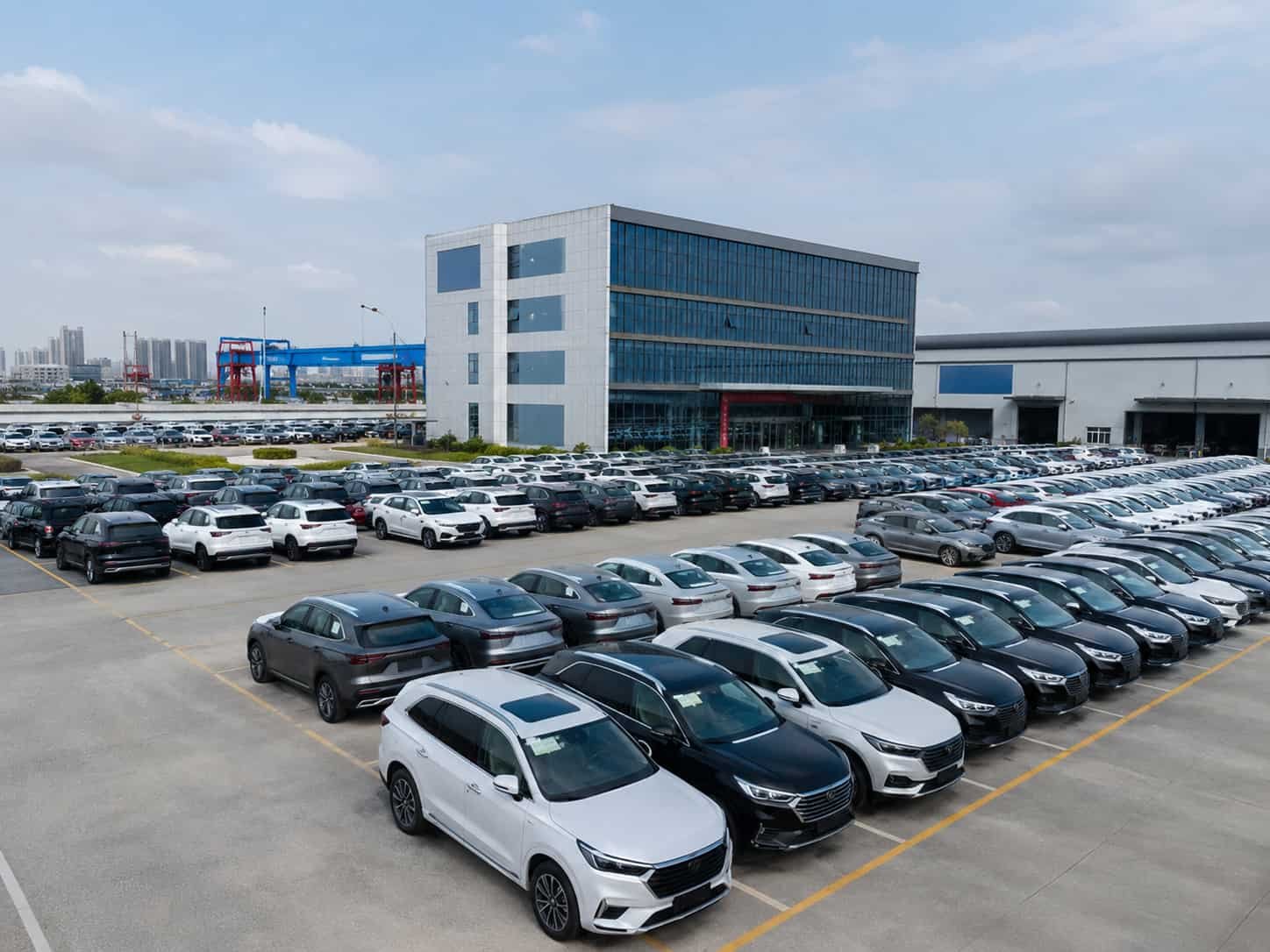
Key point: The single most important protection against car export fraud is never paying 100% of the vehicle cost before receiving a pre-shipment inspection report. Every legitimate Chinese car exporter operates on a deposit-inspect-balance model. Any supplier asking for full payment upfront with no inspection should be refused, regardless of how attractive their pricing looks.
Understanding the Chinese Car Export Market: Who You Are Dealing With
The Chinese car export market involves several types of operators, and understanding the difference helps you identify which kind of supplier you are approaching:
Note: Trading companies are not inherently fraudulent — many legitimate businesses operate this model. The risk is higher because they have less direct control over vehicle condition and sourcing. The key is applying the same verification and process requirements to trading companies as to direct exporters.
Red Flags: Signs a Chinese Car Exporter May Not Be Trustworthy
These are the most common warning signs that a Chinese car exporter presents elevated fraud risk. None of these signals alone is conclusive — but the more of these flags a supplier shows, the more caution is required.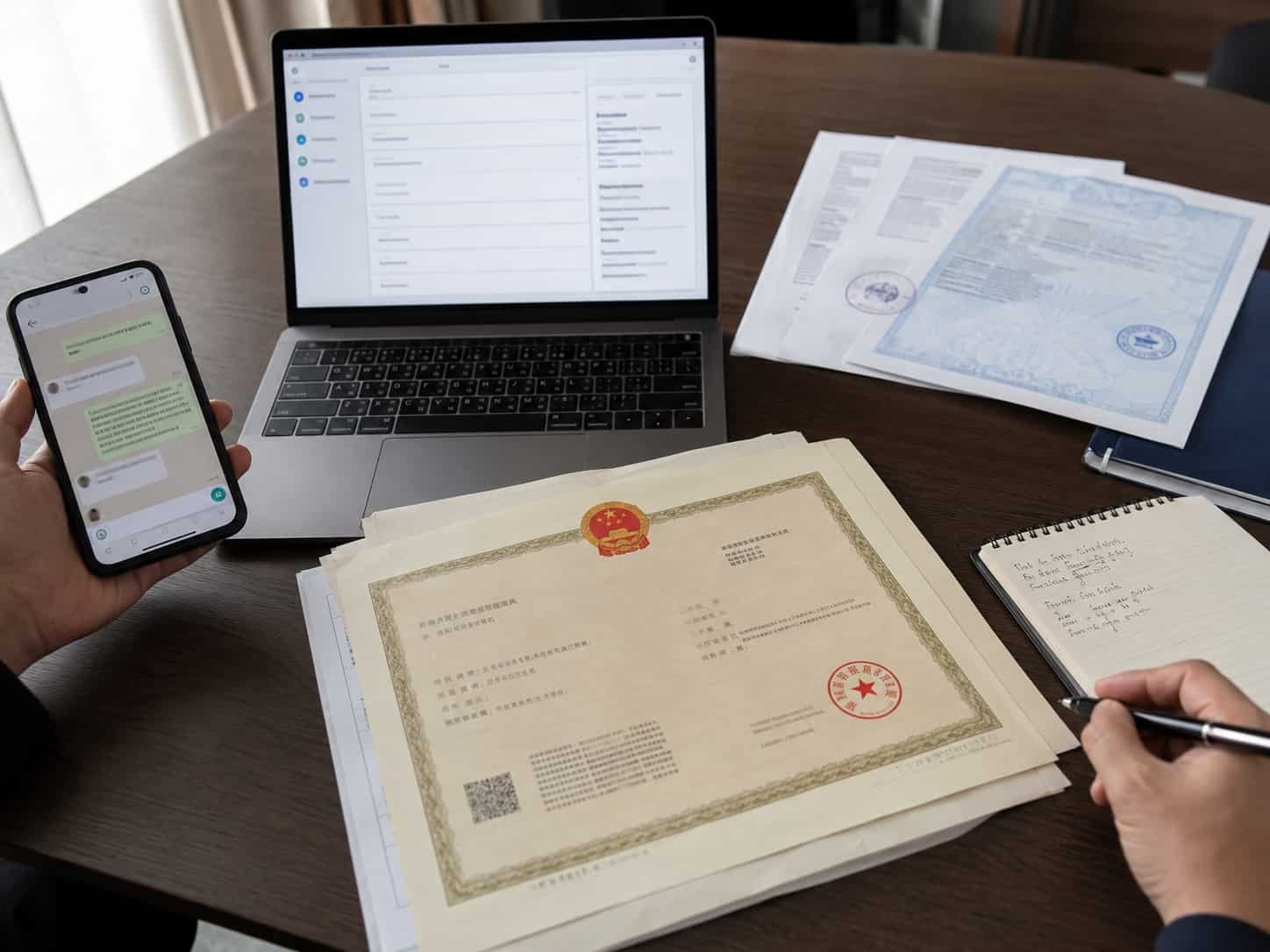
Pricing and Offer Red Flags
- Prices significantly below market: if a supplier quotes you a 3-year-old BYD Atto3 at $8,000 when the market FOB is $15,000–$18,000, the price is the fraud. No legitimate supplier can consistently sell vehicles at 40–50% below market value. If it seems too good to be true, it is.
- Prices that change after initial contact: a legitimate supplier with physical stock locks in pricing when they send a stock list. Prices that increase after you express interest, or that fluctuate significantly between conversations, indicate either no real stock or an attempt to extract maximum payment.
- Pressure to decide immediately: “This vehicle will sell to another buyer today if you don’t confirm” — real exporters with genuine stock do not need to pressure you. Urgency is a manipulation tactic.
- No itemised price breakdown: a legitimate FOB quote should clearly state what is included — vehicle cost, port handling, export documentation. Suppliers who cannot or will not itemise the price are hiding something.
Communication and Identity Red Flags
- No verifiable company name or address: any legitimate Chinese exporter has a registered company name in Chinese and English, a physical address, and a business licence number. Suppliers who provide only a personal name and a WhatsApp number are not operating as a formal business.
- Only communicates via WhatsApp with a personal number: legitimate exporters use company email addresses, have company websites, and may also use WhatsApp — but WhatsApp is a communication channel, not a business identity.
- Refuses video call or shows unfamiliar location: ask for a video call from the supplier’s yard. A legitimate exporter will show you the yard, the vehicles, and the facilities without hesitation. If they refuse, deflect, or the “yard” looks like a generic location, this is a significant red flag.
- English that does not match a Guangzhou-based business: many car export scams originate from people outside China who pose as Chinese exporters. Inconsistencies in time zone (claiming to be in China but responding at unusual hours), geographic knowledge, or cultural references can indicate the contact is not actually in Guangzhou.
- Contact initiated via social media with unsolicited offer: legitimate exporters do not cold-contact dealers on Facebook, Instagram, or LinkedIn with offers of “exclusive stock”. Inbound unsolicited contact is almost always a scam or a broker with no real stock.
Payment and Process Red Flags
- Requests 100% payment before inspection: no legitimate exporter requires full payment before providing a pre-shipment inspection report. The standard is 30% deposit → inspection → 70% balance. 100% upfront with no inspection is fraud territory.
- Requests payment to a personal bank account: all legitimate Chinese exporters receive payment to a company account. Payment requests to a personal account — especially one with a name that does not match the company — are a serious red flag.
- Bank account country does not match the claimed business location: if a supplier claims to be based in Guangzhou but asks you to transfer to a Hong Kong, Singapore, or African bank account, question this carefully. While not automatically fraudulent, it requires a clear explanation.
- No formal contract or pro-forma invoice: legitimate exporters issue a formal pro-forma invoice for every transaction, showing the company name, address, vehicle details, payment terms, and total amount. Suppliers who resist issuing formal documentation are not running a professional operation.
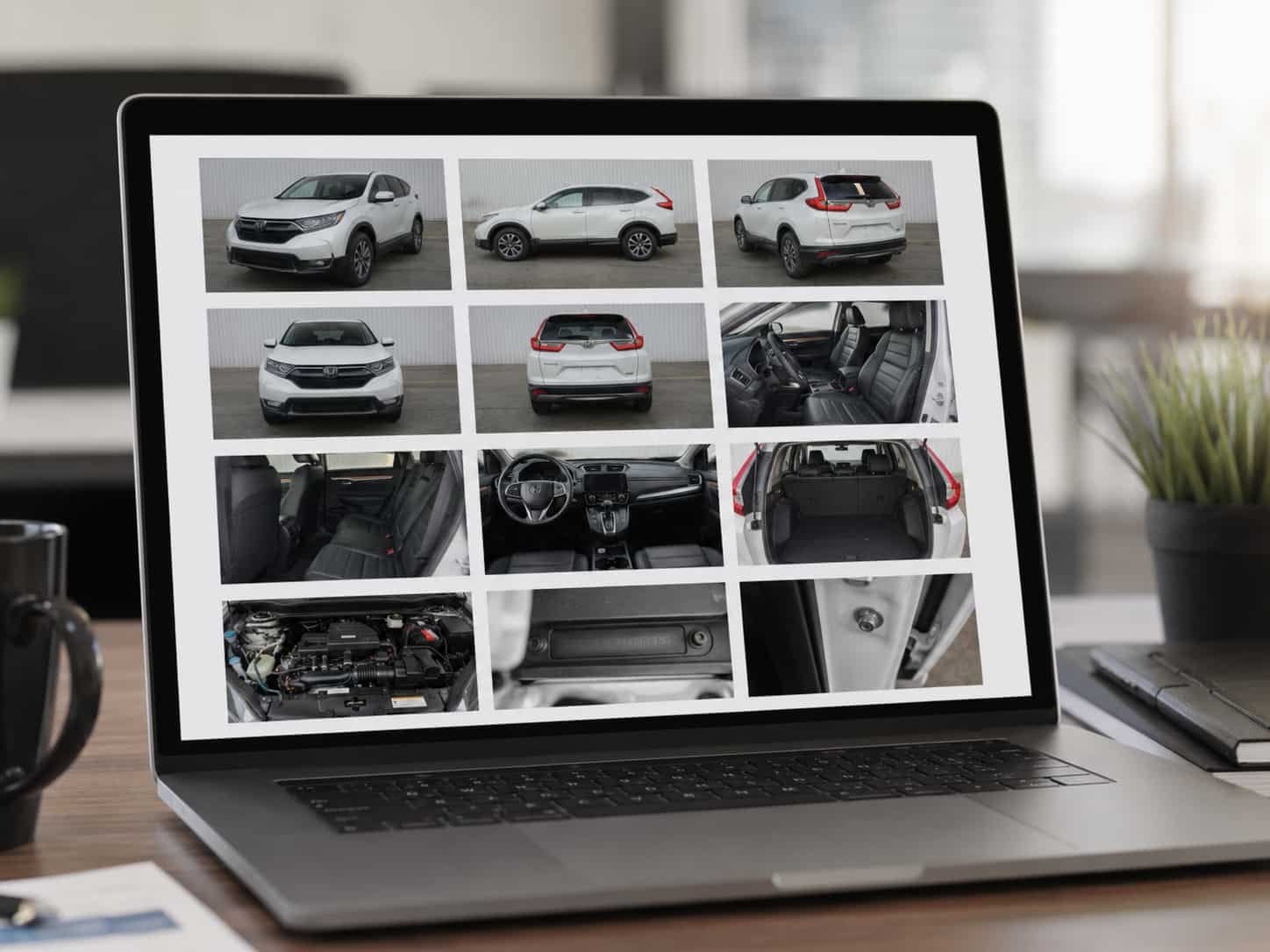
- Vague about inspection process: when you ask “what does the pre-shipment inspection include and when will I receive it?”, a legitimate exporter gives a specific, consistent answer. Vague responses (“we will send photos later” with no defined timeline or process) indicate the supplier may not have physical access to the vehicle.
How to Verify a Chinese Car Exporter: Step-by-Step Due Diligence
Here is a practical due diligence checklist that every dealer should run through before sending any money to a Chinese car supplier. These steps are not bureaucratic — they are the same checks that any experienced importer applies as standard.
Step 1: Verify the Company Registration
Ask the supplier for their:
- Chinese company registration number (营业执照号码 — Yíngyè Zhízhào Hàomǎ)
- Full registered company name in Chinese
- Registered address
- Business licence scan or photo
You can verify Chinese company registrations through the National Enterprise Credit Information Publicity System (国家企业信用信息公示系统) at gsxt.gov.cn. Enter the company registration number to confirm the company is registered, active, and the legal representative name matches what the supplier has told you. This takes less than five minutes and is free.
Design tip: Many legitimate small exporters in China are registered as individual business licences (个体工商户) rather than limited companies. These are still verifiable through the same system. What you are looking for is that the registration exists, is active, and matches the details the supplier has provided.
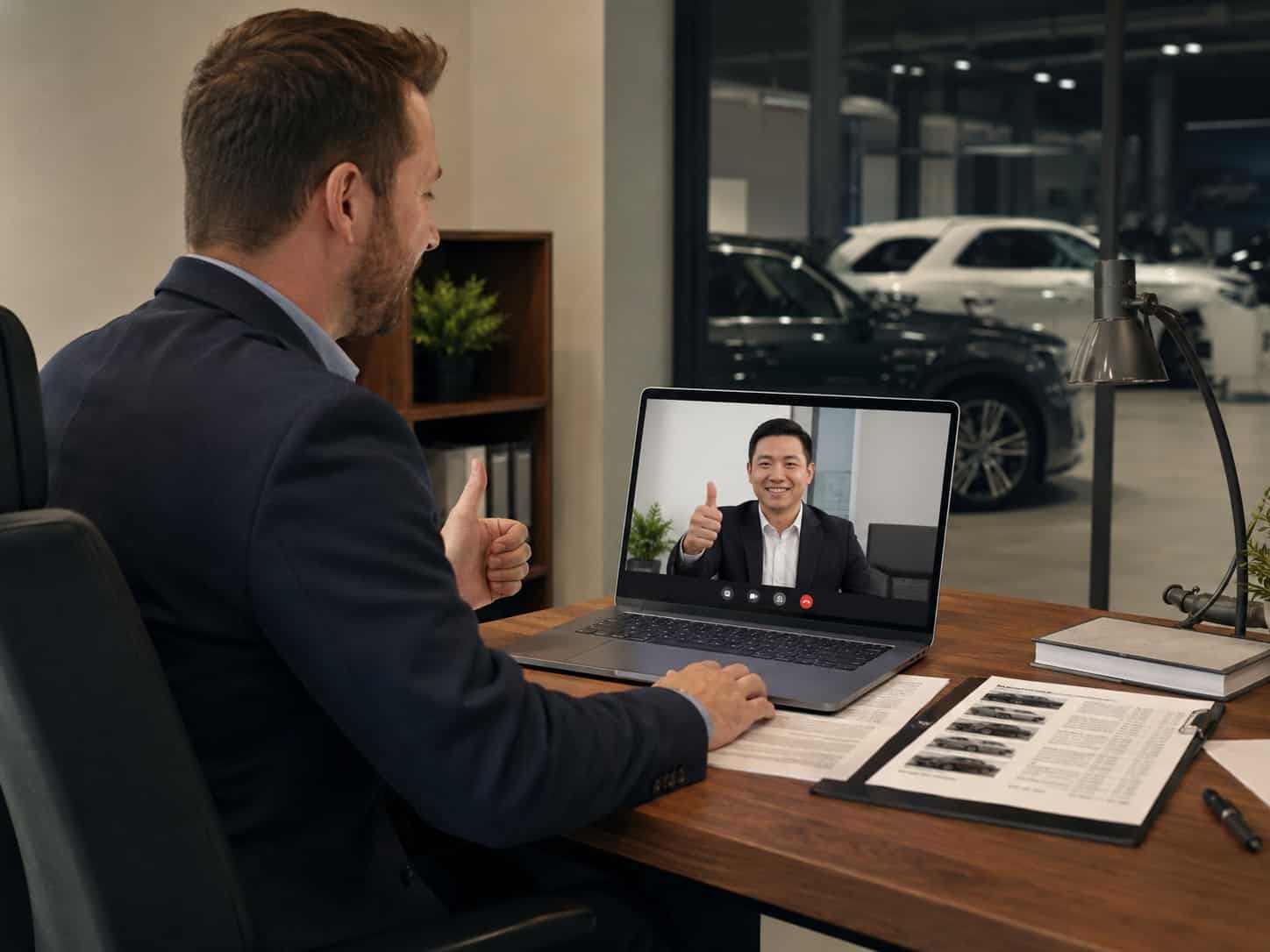
Step 2: Request a Video Call from the Yard
Before committing to any order, request a video call with the supplier from their physical vehicle yard. This call should show you:
- The yard itself — real vehicle storage areas, not an office
- At least some of the vehicles mentioned in their stock list
- The supplier or their colleague walking around the yard
- The yard location — you can roughly verify this against map images of Guangzhou’s vehicle export areas
A legitimate exporter with physical stock will do this without hesitation. The call does not need to be long — 10 minutes is enough to confirm the business is real.
Step 3: Check for Export Experience Evidence
Ask the supplier to provide:
- Previous export documents: past bills of lading, certificates of origin, or commercial invoices with company name visible (buyer details can be redacted). This proves the company has actually exported vehicles.
- Reference contacts: contact details for 2–3 previous buyers in your region or similar markets. A legitimate exporter will readily provide references.
- Export licence: China requires an export business licence (对外贸易经营者备案) for companies engaged in export trade. Ask to see this.
Step 4: Verify the Bank Account
Before making any payment:
- Confirm the bank account is in the company’s name: the account name should exactly match the registered company name.
- Confirm the bank is a major Chinese bank: ICBC, Bank of China, China Construction Bank, Agricultural Bank, Bank of Communications — legitimate exporters use established Chinese commercial banks.
- Call your bank: for first-time transfers of significant sums, ask your bank to verify that the beneficiary account name matches the account number before processing.
- Be wary of last-minute account changes: “Our bank account has changed — please send to this new number” is one of the most common business email compromise scams. Always verify any bank detail change via a direct phone or video call before acting on it.
The 10 Questions Every Dealer Must Ask a Chinese Car Exporter
Before committing to an order, get satisfactory answers to all of these questions. A legitimate exporter will answer all of them clearly and without hesitation. Evasion, vague answers, or irritation at being asked are signals to proceed with caution.
What to Send in Your First Inquiry to a New Chinese Exporter
A well-structured first inquiry helps you assess a supplier’s professionalism from the very first response. Here is what to include, and what you learn from how they respond:
- Your specific vehicle requirements: model, year range, condition, quantity, FOB budget. A good exporter responds with a matching stock list. A bad exporter responds with “we have everything” and then asks for your requirements again.
- Your destination port and market: this helps the supplier confirm LHD/RHD, advise on appropriate models, and gives you a sense of their market knowledge. A supplier who does not ask about drive side for a Kenya-bound order does not know what they are doing.
- A request for their company name and registration number: include this in your first message. It immediately filters out suppliers who are not running a real registered business.
- A request for the inspection process details: “Can you describe your pre-shipment inspection process?” A good exporter explains this clearly without prompting.
- Your preferred payment structure: state that you work on 30% deposit and 70% balance after inspection approval. A good exporter confirms this is their standard. A bad exporter immediately pushes back.
Conclusion
Finding a reliable Chinese car exporter is not difficult if you apply a consistent verification process. The fraudulent and unreliable suppliers in this market almost all share the same warning signs: prices too far below market, vague company details, resistance to video calls, requests for full upfront payment, and no defined inspection process. Legitimate exporters share the opposite characteristics: verifiable registration, physical yards, transparent process, and references.
The most important protection is the deposit-inspect-balance process. Never pay 100% before inspection. Never approve a balance payment without reviewing the inspection report. Never transfer to an account that does not match the company name. These three rules alone will protect you from the vast majority of car export fraud.
RichingAuto is a registered vehicle export company based in Guangzhou, operating from a physical yard near Nansha Port. We hold ready stock inventory at our yard, conduct full pre-shipment inspections on every order, issue pro-forma invoices for every transaction, and operate on the 30/70 deposit structure as standard. We are happy to do a video call from our yard, provide our company registration details, and connect you with previous buyers for reference. If you want to verify us before placing an order, we welcome it — that is exactly what a professional supplier should say.