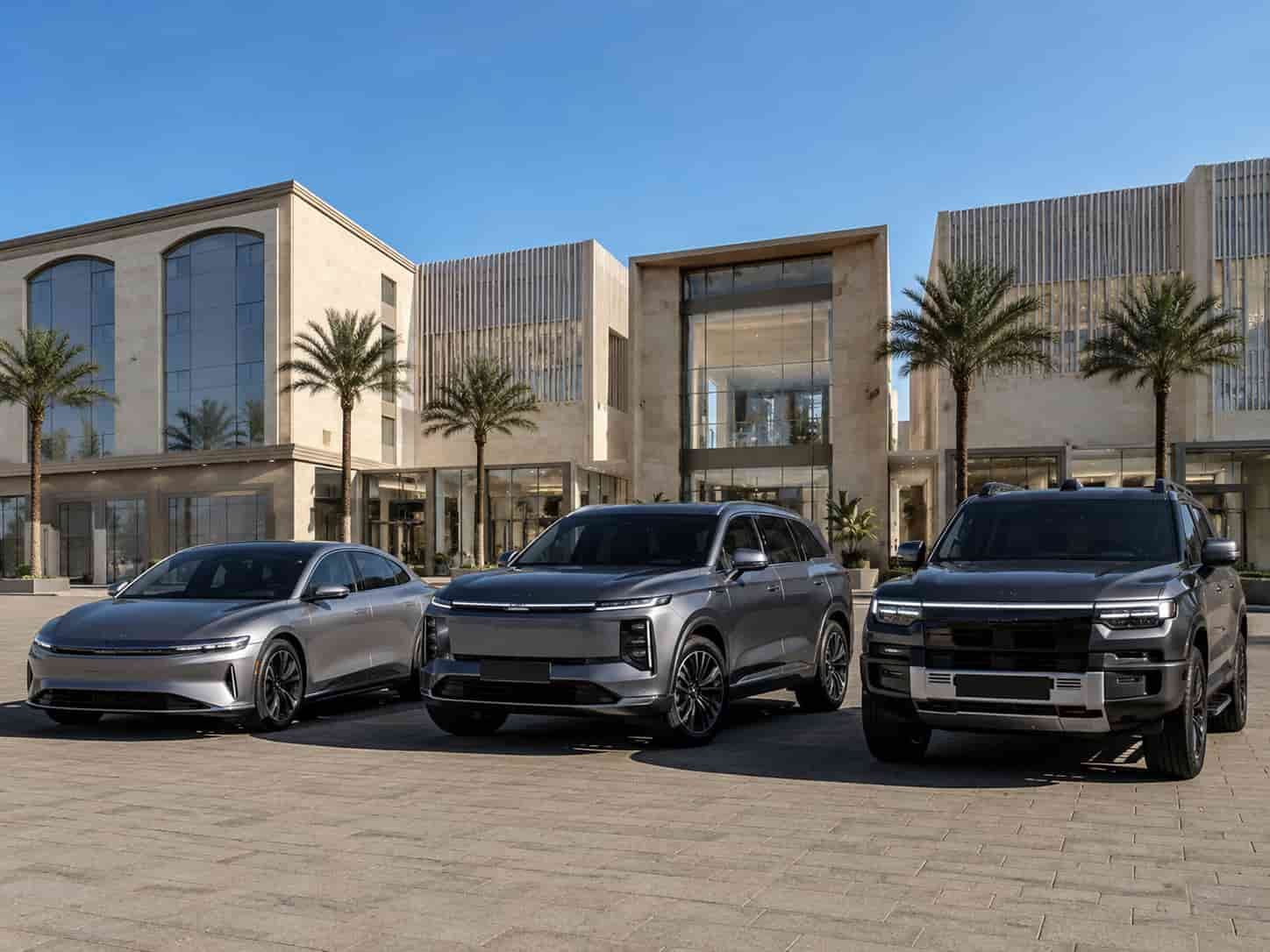
How to Import Cars from China to Saudi Arabia: A Complete Guide for Dealers

Import duty, SASO standards, approved ports, best Chinese models for the Saudi market, and the full step-by-step process from Nansha Port to Jeddah or Dammam

Table of Contents

Saudi Arabia is one of the largest and most dynamic car markets in the Middle East — and one of the fastest-growing markets for Chinese vehicles. The Kingdom’s Vision 2030 programme, which includes ambitious targets for EV adoption, urban development, and domestic automotive manufacturing, has accelerated both the infrastructure and the appetite for Chinese brands. BYD, ZEEKR, Changan, and Geely have all established or are establishing official dealer networks in Saudi Arabia, and independent importers are bringing in Chinese vehicles alongside the official channels.

Importing cars from China to Saudi Arabia shares several characteristics with the UAE process — the same GCC 5% import duty, left-hand drive requirement, and Nansha-to-Gulf shipping routes — but there are important differences that Saudi-specific dealers need to understand: the SASO (Saudi Standards, Metrology and Quality Organisation) technical standards programme, the Conformity Assessment Body (CAB) process for new models, specific requirements for used vehicle imports, and the choice between Jeddah Islamic Port and King Abdulaziz Port in Dammam.

This guide covers the complete import process for Saudi dealers: duty structure, SASO requirements, port options, landed cost calculation, best Chinese models for the Saudi market, and a step-by-step order process from RichingAuto’s Guangzhou yard to your Saudi lot. If you have read our UAE import guide, some elements here will be familiar — we note where Saudi Arabia differs from the UAE process.
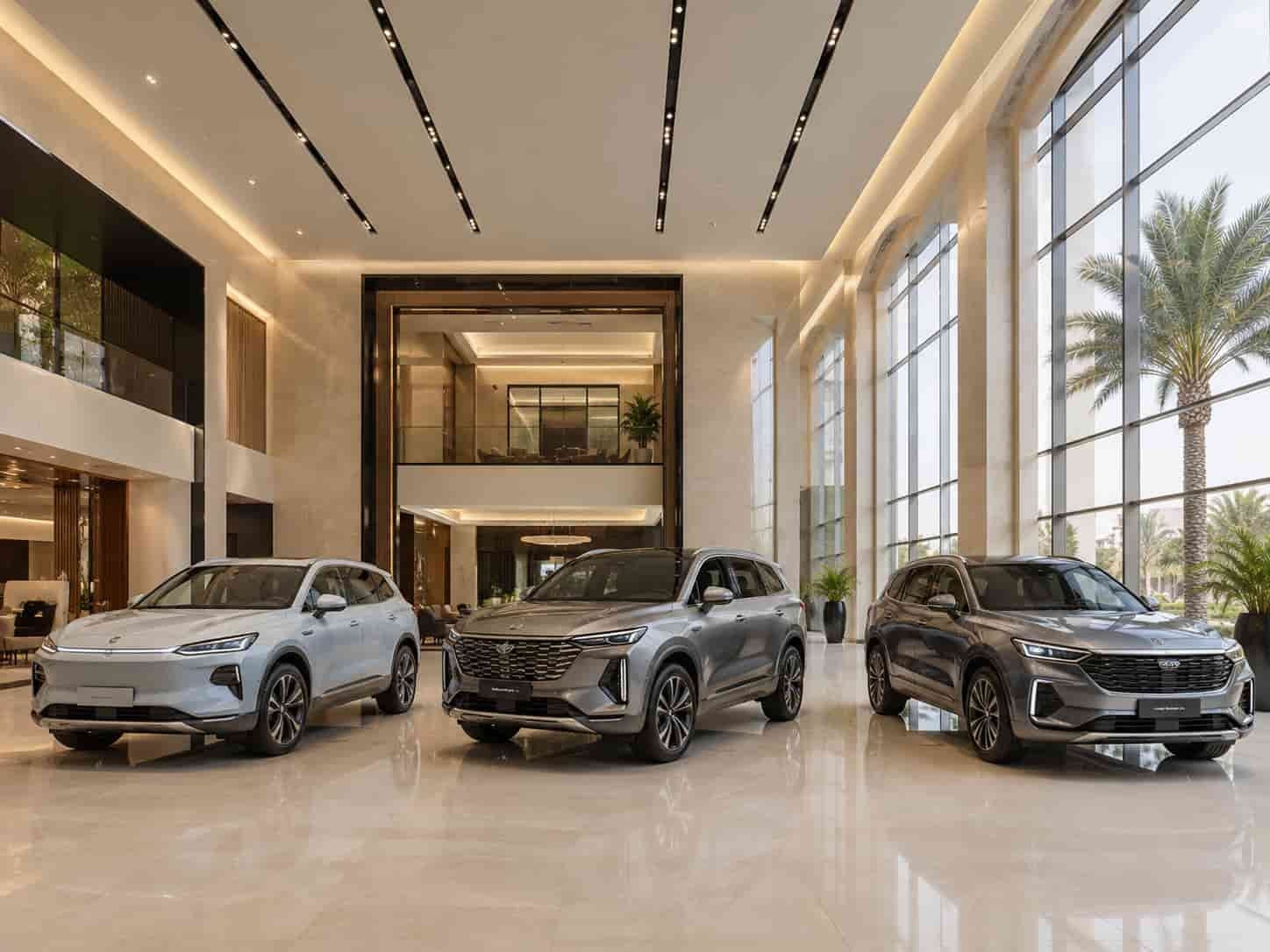
Key point: Saudi Arabia applies the same GCC 5% import duty as the UAE. The main additional complexity is the SASO technical standards requirement — new vehicle models not previously homologated in Saudi Arabia require a conformity certificate before they can be registered. For used vehicles and models already in the Saudi market, this process is simpler.

The Saudi Arabia Car Market: Scale and Chinese Brand Growth

Saudi Arabia is the largest car market in the Middle East by volume — approximately 700,000–800,000 new vehicles sold annually. The market has historically been dominated by Toyota, Hyundai, Ford, and Nissan, but Chinese brands have been gaining ground rapidly since 2022. Changan, MG (SAIC), BYD, and Geely are all present through official distributors, and buyer awareness of Chinese automotive quality has improved significantly.

Market Factor Detail
Annual vehicle sales~700,000–800,000 units (one of the largest markets in MENA)
Population~36 million (young demographic — median age ~30)
Drive sideLeft-hand drive (LHD) — direct fit with Chinese exports
Dominant vehicle preferenceLarge SUVs and pickups strongly preferred; family size drives 7-seat demand
EV infrastructureRapidly expanding — Vision 2030 targets; major cities have growing charging networks
Primary import portsJeddah Islamic Port (west coast); King Abdulaziz Port, Dammam (east coast)
Import duty5% of CIF value (GCC common external tariff)
SASO requirementTechnical standards conformity certificate required for vehicle registration
Key buying citiesRiyadh (largest), Jeddah, Dammam, Mecca, Medina

Import Duty and SASO Requirements

Saudi Arabia’s import duty on vehicles follows the GCC Common External Tariff: 5% of CIF value. This is the same rate as the UAE and is one of the lowest car import duty rates globally. However, Saudi Arabia has an additional layer of requirements through SASO (Saudi Standards, Metrology and Quality Organisation) that dealers must understand before planning their import.

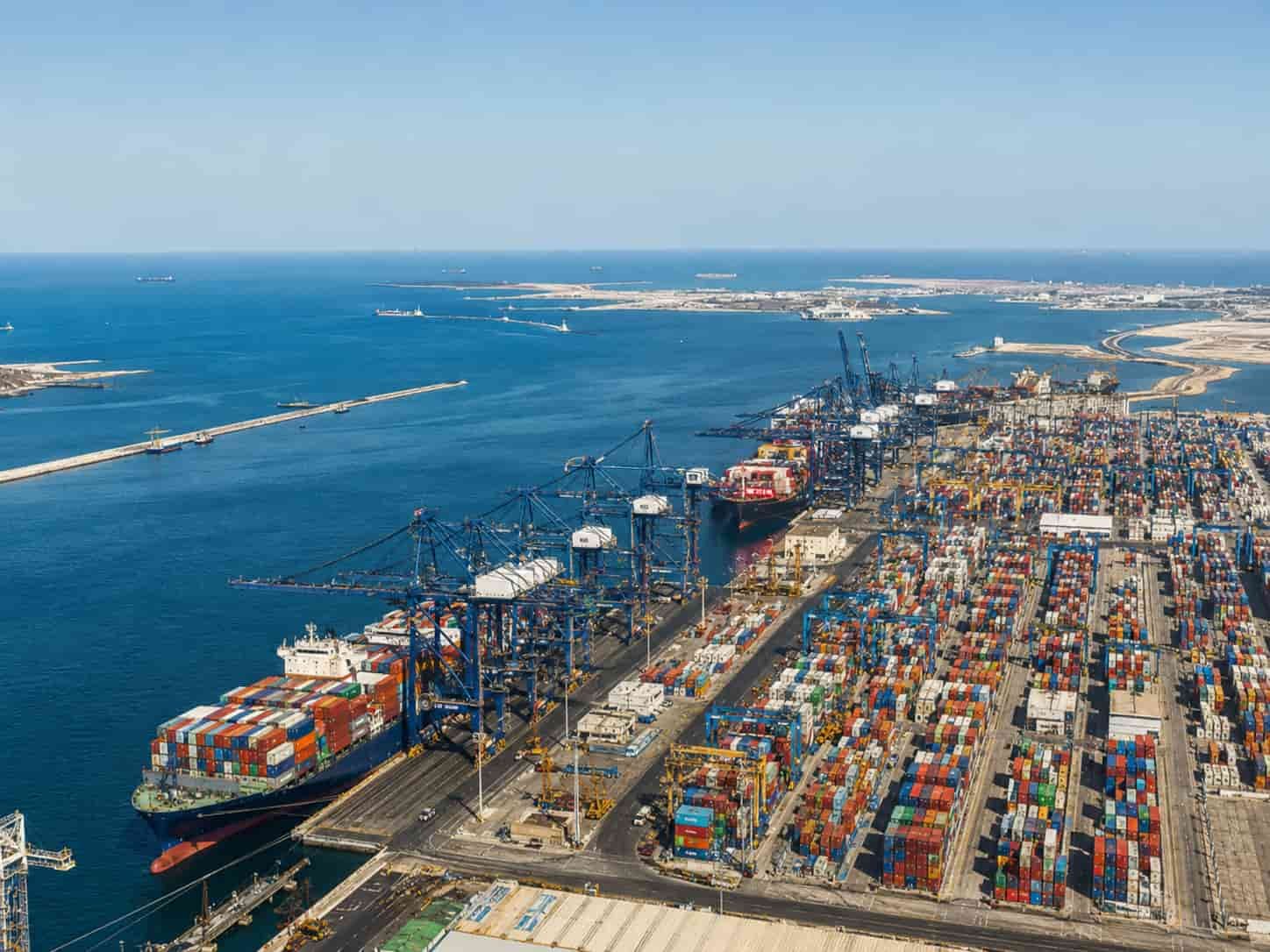
Import Duty StructureContainer ships at Jeddah Islamic Port Saudi Arabia vehicle import terminal for dealers importing cars from China
Factor Detail
Standard import duty5% of CIF value (Cost + Insurance + Freight) — GCC standard
VAT on import15% VAT — significantly higher than UAE's 5%
VAT reclaimVAT-registered businesses can reclaim import VAT against output VAT
Age restriction for used vehiclesUsed vehicles must generally be under 5 years old for standard import
Mileage — used vehiclesNo universal mileage cap, but older/higher-mileage vehicles may face inspection issues
LHD requirementYes — Saudi Arabia is LHD
Emission standardEuro 4 equivalent minimum; newer Chinese models typically meet Euro 5 or 6

Important: The 15% VAT in Saudi Arabia is significantly higher than UAE’s 5%. Unlike the UAE where VAT on vehicles is modest, Saudi Arabia’s 15% VAT meaningfully affects landed cost calculations. VAT-registered businesses can reclaim it, but cash flow management is important for dealers who hold large inventories.

SASO Conformity Requirements

SASO is the Saudi regulatory body responsible for technical standards, and all vehicles sold in Saudi Arabia must meet SASO technical standards. The conformity process works as follows:

  • Already-approved models (most common case): if the vehicle model you are importing has already been approved by SASO for the Saudi market — meaning it has been previously sold and registered in Saudi Arabia — you simply need to ensure the vehicle meets the approved specification. Most major Chinese brands (BYD, Changan, Geely, MG) now have SASO-approved models.
  • New models requiring conformity assessment: if you want to import a Chinese model that has not previously been registered in Saudi Arabia, you need to go through a conformity assessment with a SASO-approved CAB (Conformity Assessment Body). This is a detailed technical process — expect 4–8 weeks and costs of $3,000–$10,000+ depending on the model. Not practical for small importers.
  • Used vehicle imports: used vehicles of already-approved models follow a simpler inspection process at the port, where an authorised inspection centre confirms the vehicle meets the approved specification. This is the most common scenario for used Chinese car imports.
  • Grey market models (e.g. Xiaomi, some ZEEKR variants): vehicles that have not gone through SASO approval cannot be registered for road use in Saudi Arabia through the standard process. Registration may be possible through specialist channels but requires careful navigation — get advice from a local clearing agent before ordering.


Design tip: For dealers new to the Saudi market, the safest starting point is to import models with existing SASO approval — BYD (Atto3, Seal, Song), Changan (CS75 Plus), Geely (Boyue Pro), Jetour (X70, X90, T2), and Tank (300, 400) all have or are in the process of obtaining Saudi market approval. Check with your local clearing agent for the current approved model list before ordering. For model specification guides, see our individual brand guides for BYD, Jetour, Changan, and Geely.

Landed Cost Calculation: China to Saudi Arabia

Here is a realistic landed cost breakdown for importing Chinese vehicles from Nansha Port to Jeddah Islamic Port. Saudi Arabia has the same 5% import duty as the UAE but adds 15% VAT, which significantly affects the total landed cost versus the UAE.

Cost Component Mid-size SUV (e.g. Changan CS75) Large 4WD SUV (e.g. Jetour T2) Premium EV (e.g. BYD Seal)
FOB Price (Nansha)$15,000$20,000$22,000
Ocean freight + insurance$728–$943$854–$1,068$864–$1,078
Import duty (5% CIF)$788$1,043$1,144
VAT 15% (reclaimable)$2,481$3,284$3,603
Port + clearance + SASO$700–$1,150$750–$1,200$750–$1,200
Effective landed (after VAT reclaim)$17,316–$17,800$22,647–$23,311$24,636–$25,322
Target Saudi retail$24,000–$28,000$32,000–$38,000$35,000–$42,000
Gross margin (after VAT reclaim)$6,200–$10,684$8,689–$15,353$9,678–$17,364

Note: The VAT reclaim is critical to the Saudi margin model. Dealers who are VAT-registered and reclaim the 15% import VAT have landed costs similar to UAE. Dealers who cannot reclaim VAT (small operators, informal businesses) face a significantly higher landed cost. Ensure you are VAT-registered before building your import business model.

Saudi Import Ports: Jeddah vs Dammam

Saudi Arabia has two major ports for vehicle imports, serving different regions of the country. The choice of port affects both shipping cost and the distribution logistics within Saudi Arabia.

Factor Jeddah Islamic Port (West Coast) King Abdulaziz Port, Dammam (East Coast)
LocationRed Sea, western Saudi ArabiaArabian Gulf, eastern Saudi Arabia
Transit from Nansha~12–18 days~14–20 days (via Strait of Hormuz)
Main city servedJeddah, Mecca, Medina, Riyadh (via road)Dammam, Al Khobar, Dhahran, Riyadh (closer)
Road distance to Riyadh~950km (8–10 hours)~440km (4–5 hours)
Best forWestern and central Saudi, Jeddah retailEastern Province, Riyadh-focused distribution
RecommendationDefault for most Saudi importersBetter if primary market is Riyadh or Eastern Province

Design tip: If you are distributing to Riyadh from Jeddah, factor in approximately $300–$500 per vehicle for land transport across the country. From Dammam, Riyadh is significantly closer at $150–$250. For dealers primarily serving Riyadh, the Dammam route may deliver a lower total landed cost despite slightly longer transit from China.

Which Chinese Models Are Best for the Saudi Market?

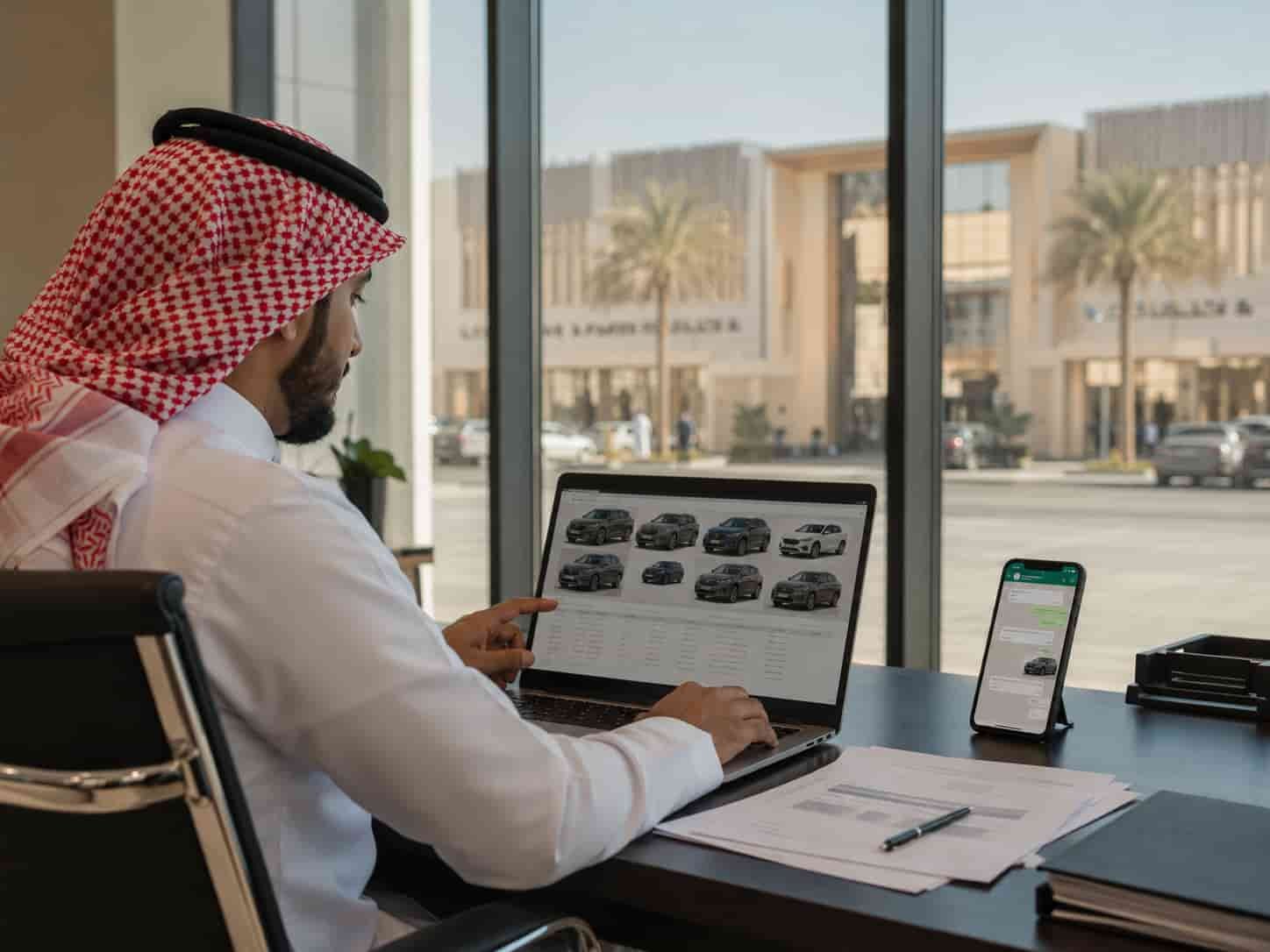
The Saudi market has specific characteristics that inform which Chinese models perform well: large family sizes drive strong demand for 7-seat vehicles, extreme heat (up to 50°C in some regions) demands robust cooling systems, long intercity distances favour larger and more comfortable vehicles, and status signalling is important — engine size, exterior presence, and brand perception all matter to Saudi buyers.Saudi Arabian male car dealer reviewing Chinese vehicle stock list and FOB pricing from Chinese exporter
Model Segment Saudi Retail Range Key Saudi Selling Points SASO Status
BYD Atto3Compact EV SUV$28,000–$36,000EV infrastructure growing; fleet and corporate demandApproved / official dealer
BYD SealPremium EV Sedan$38,000–$52,000Long range (700km); charging network growingApproved / official dealer
BYD Song Plus DM-iMid-size SUV PHEV$28,000–$36,000PHEV suits long intercity — runs on petrol when neededApproved / official dealer
Changan CS75 Plus (2.0T AWD)Mid-size SUV$24,000–$30,0002.0T engine (important in Saudi); AWD; family specApproved / growing dealer network
Jetour X90 (7-seat)Mid-size 7-seat SUV$24,000–$30,0007 seats; family-focused; competitive pricingApproved — growing market presence
Jetour T2 (7-seat 4WD)Full-size body-on-frame 4WD$32,000–$42,000Genuine 4WD; desert capable; Prado alternativeApproved — gaining fast
Tank 400 (V6 3.0T)Large premium 4WD$48,000–$65,000V6 engine (status); full-size; LC300 alternativeGaining approval — check with agent
Geely Monjaro (7-seat)Large premium SUV$35,000–$45,000Volvo platform; 7-seat; premium spec; large screenApproved / growing
ZEEKR 7XPremium EV SUV$52,000–$68,000800V charging; Polestar platform; official dealerOfficial Saudi presence

Key point: Engine size matters significantly to Saudi buyers — a 2.0T is more desirable than a 1.5T at the same price point, and a V6 3.0T commands a strong premium. For SUV models, always specify the higher-engine variant when targeting Saudi retail buyers. This is different from markets like Nigeria or Kenya where engine size is less of a status signal. For our full Tank brand guide including the 3.0T V6 Tank 400, see our Tank 300 and 400 export guide.

Step-by-Step: Ordering Chinese Cars for Saudi Arabia

Here is the full sequence from initial inquiry to vehicles arriving at your Saudi lot, based on the process RichingAuto follows for Saudi dealer orders:

Step Action Timeframe Saudi-Specific Notes
1Inquiry: model, quantity, FOB budget, destination portDay 1Confirm SASO-approved models with clearing agent first
2Receive stock list with FOB pricingWithin 24 hrsAll Saudi-bound vehicles are LHD — confirmed at this stage
3Confirm vehicles; receive pro-forma invoiceDay 2–3Verify model and spec matches SASO-approved variant
4Pay 30% deposit via T/TDay 3–5Standard payment process
5Pre-shipment inspection report receivedDay 5–8Confirm odometer, VIN, colour, spec match order
6Pay 70% balance after inspection approvalDay 8–12
7Container loading at Nansha PortDay 12–17Certificate of Origin must state China — needed for SASO
8Vessel transit Nansha → Jeddah or DammamDay 17–35Jeddah: 12–18 days; Dammam: 14–20 days
9Vessel arrives; customs and SASO inspectionDay 35–47SASO inspection adds 2–5 days vs UAE process
10Duty (5%) and VAT (15%) paid; container releasedDay 40–50Reclaim VAT via quarterly filing if registered
11RTA / MVPI vehicle inspection and registrationDay 50–60Required before retail sale in Saudi Arabia

Note: The Saudi process is 5–10 days longer than UAE due to the SASO inspection step. Total timeline from deposit to vehicles on your lot is typically 55–70 days. Plan your inventory cycle with this longer timeline in mind, particularly if you are managing stock against customer orders.

Saudi Arabia vs UAE: Key Differences for Chinese Car Importers

If you are considering both UAE and Saudi Arabia as markets, here is a direct comparison of the import environment to help you prioritise:

Factor UAE Saudi Arabia
Import duty5% of CIF5% of CIF (same)
VAT5% (low)15% (higher — reclaim important)
SASO/conformity requirementNo specific SASOYes — SASO conformity certificate required
Used vehicle age restrictionNoneGenerally under 5 years for standard import
Primary portJebel Ali, DubaiJeddah Islamic Port or Dammam
Transit from Nansha14–20 days12–18 days (Jeddah) / 14–20 days (Dammam)
Customs clearance speed3–7 working days (efficient)5–12 working days (SASO adds time)
Market size~400,000 units/year~700,000–800,000 units/year (larger)
Best Chinese modelsEVs (BYD, ZEEKR), lifestyle off-road (Tank, Jetour T2)7-seat SUVs, large 4WDs, EV in major cities
Free zone optionJAFZA — well establishedKAEC and other economic zones available

Design tip: Many dealers operate in both UAE and Saudi Arabia simultaneously — importing from China to Jebel Ali and distributing to both markets, or importing separately to Jeddah for the Saudi market. The UAE’s JAFZA free zone can serve as a regional hub, with vehicles re-exported to Saudi Arabia by road. For UAE import process details, see our UAE import guide.

What to Tell Your Supplier When Ordering for Saudi Arabia

To get the most accurate stock list, FOB quote, and SASO guidance for a Saudi order, include the following in your inquiry:

  • Destination port: Jeddah Islamic Port or King Abdulaziz Port, Dammam — affects routing and transit time.
  • SASO-approved models only: confirm with your clearing agent which models are currently SASO-approved before ordering. RichingAuto can advise on models with established Saudi market presence.
  • Engine size preference: Saudi buyers generally prefer larger engines — specify 2.0T over 1.5T, or V6 for premium models.
  • 7-seat requirement: Saudi family sizes make 7-seat configuration strongly preferred — specify for Jetour X90, Geely Monjaro, BYD Tang.
  • EV or petrol/PHEV: for intercity routes (e.g. Riyadh to Jeddah, ~950km), pure EVs require careful charging planning. BYD DM-i PHEV is often more practical than pure EV for Saudi buyers outside major cities.
  • Colour: white is by far the most popular colour in Saudi Arabia — lighter colours manage heat better. Black and dark grey are popular in premium segment.
  • Year and condition: used vehicle age restriction (generally under 5 years) — specify year range clearly.
  • Quantity and frequency: Saudi dealers typically order larger quantities than UAE dealers due to the market scale.Chinese electric vehicles including BYD and ZEEKR lined up at a Saudi Arabia dealer lot after import from China

Conclusion

Saudi Arabia is the largest car market in the Middle East and one of the most commercially significant markets for Chinese vehicle importers. The 5% import duty, growing Chinese brand awareness driven by Vision 2030, large family demographics demanding 7-seat vehicles, and rapidly expanding EV infrastructure in major cities all create a strong foundation for a Chinese vehicle import business.

The key additional considerations versus the UAE are the 15% VAT (manageable if VAT-registered), the SASO conformity requirement (straightforward for approved models, more complex for new models), and the used vehicle age restriction. Working with an experienced Saudi clearing agent from the outset — before you place your first order — will ensure you navigate these requirements correctly.

RichingAuto exports regularly to Saudi Arabia, via Jeddah Islamic Port and Dammam, from our Guangzhou yard at Nansha Port. Our current ready stock listing includes SASO-friendly models across all price points. Contact us on WhatsApp with your target model, market city, and budget — we will reply with a matching stock list, per-unit landed cost estimate for your chosen port, and SASO status confirmation within 24 hours.

Frequently Asked Questions

QWhat is the import duty on cars from China to Saudi Arabia?+
5% import duty on CIF value + 15% VAT. On a $20,850 CIF: duty ~$1,043 + VAT ~$3,284. VAT-registered dealers can reclaim the 15% VAT quarterly — essential for margin model.
QWhat is SASO and why does it matter for car imports?+
SASO certifies technical standards for vehicles sold in Saudi Arabia. Models already approved (BYD, Changan, Geely, Jetour, Tank) follow a simple port inspection. New unapproved models need a full conformity assessment — $3,000–$10,000+ and 4–8 weeks. Stick to SASO-approved models when starting out.
QWhich port should I use — Jeddah or Dammam?+
Jeddah for western Saudi and Jeddah retail. Dammam for Eastern Province and Riyadh (440km vs 950km from Jeddah). Transit from Nansha: 12–18 days to Jeddah, 14–20 days to Dammam.
QHow long does importing from China to Saudi Arabia take?+
Typically 55–70 days total: 7–15 days Nansha loading, 12–18 days ocean transit, 5–12 days Saudi customs + SASO inspection, 3–8 days registration. About 10–15 days longer than UAE due to SASO step.
QWhich Chinese models are best for Saudi Arabia?+
BYD Atto3/Seal (EV official dealer), Song Plus DM-i (PHEV for intercity), Changan CS75 Plus 2.0T, Jetour X90/T2 (7-seat family), Tank 400 V6 (premium), Geely Monjaro 7-seat, ZEEKR 7X. Prioritise 7-seat, 2.0T+, and white colour for Saudi market.
QIs there an age restriction on used car imports to Saudi Arabia?+
Generally under 5 years old for standard import. Confirm current policy with your Saudi clearing agent before ordering — this differs from UAE which has no age restriction.
QHow does Saudi Arabia differ from UAE for car imports?+
Saudi: 15% VAT (vs UAE 5%), SASO conformity required, 5-year used vehicle age limit, longer clearance (SASO adds 2–5 days). Market is larger (~700k–800k units/year vs UAE ~400k) with stronger demand for 7-seat and large-engine vehicles.