
One of the most important strategic decisions for a dealer importing Chinese vehicles is whether to focus on new vehicles, used vehicles, or a mix of both. This decision affects your FOB cost, your import duty burden, your cash flow requirements, the markets you can serve, and the buyer profile you are targeting. Getting it wrong — ordering new vehicles into a market that will not absorb them at new-vehicle prices, or ordering used stock into a market where buyers specifically want factory-new condition — is a costly mistake.
The conventional wisdom — that used is cheaper and new is better — is too simple for the Chinese vehicle export context. Used Chinese vehicles from 1–3 years ago are often more recent in specification than new vehicles from other manufacturers at comparable prices. And new Chinese vehicles, while carrying a higher FOB price, eliminate several import complications (age restrictions, condition disputes, mileage verification) that add complexity and risk to used imports.
This guide covers the complete picture: how new and used Chinese vehicles differ on price, duty, availability, and risk; which markets strongly prefer each; and how experienced dealers combine both in a single container to optimise their portfolio. This article complements our earlier overview of new vs used cars from China for Africa with a more structured, decision-focused framework.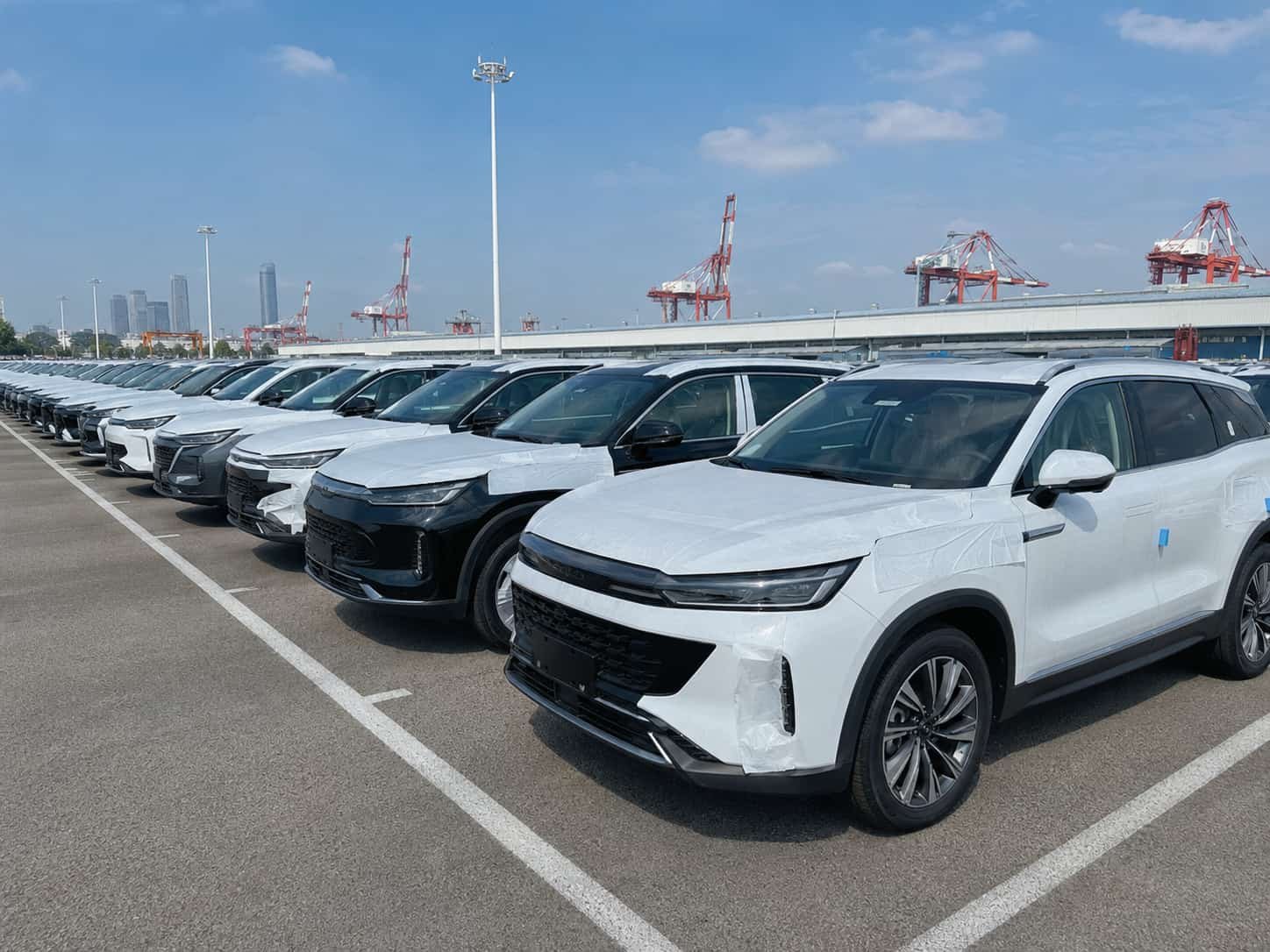
Key point: The distinction between “new” and “used” in the Chinese car export market is not always as clear as it sounds. A 1-year-old Chinese vehicle with 8,000km — sold by its first owner — may have better specification, lower risk, and comparable value to a factory-new vehicle of an older model year. The age and mileage matter less than the overall value proposition for your specific market.
Quick Summary: New vs Used Chinese Cars for Dealers
Brand New Chinese Vehicles: When They Make Sense
Brand new Chinese vehicles — zero kilometres, with full protective film, straight from the manufacturer’s dealer network in China — carry the highest FOB price in the range but also the highest certainty. There is no inspection ambiguity, no mileage dispute, no hidden wear. For markets where buyers specifically require a new-condition vehicle, or where the dealer is positioning in the premium segment, new vehicles are the right choice.
Advantages of Importing Brand New Chinese Vehicles
- Zero condition risk: there is nothing to inspect for wear or damage beyond transport protection. The vehicle leaves the manufacturer in perfect condition and arrives in perfect condition (assuming proper container protection).
- Full specification compliance: new vehicles from the current model year have the latest spec, software, and features. No risk of older spec hidden under a recent exterior.
- Manufacturer warranty: for models with official overseas dealer presence (BYD, Geely, GWM), new vehicles carry full manufacturer warranty that is honoured by the official dealer network in your market. This is a significant retail advantage.
- No age restriction issues: markets with age restrictions (Kenya: 8 years, Ghana: 10 years) present no issue for brand new vehicles. They are always within compliance.
- Buyer experience: “buying a new car” carries emotional weight for buyers in most markets. The smell, the protective film, the zero odometer — these create a premium buying experience that used vehicles cannot replicate.
- Simpler customs documentation: new vehicles have simpler export documentation than used vehicles in China. No previous registration documents, no logbook transfers.
Limitations of Brand New Chinese Vehicles
- Highest FOB cost: a brand new Jetour T2 costs $5,000–$8,000 more FOB than a 2-year-old equivalent. This is a significant margin compression unless your retail market absorbs new-vehicle pricing.
- Longer sourcing lead time for specific models: unlike used ready stock which can ship within 7–15 days, new vehicles often need to be sourced through the manufacturer’s dealer network. Lead times of 4–8 weeks are common for specific models.
- Higher duty base in some markets: in markets where customs uses a depreciation schedule on CIF value (like Kenya), new vehicles attract duty on their full value with no depreciation — making the duty burden highest for new imports.
- Capital intensity: a container of new vehicles costs significantly more than a container of comparable used stock. Cash flow management is more demanding.
Key point: New Chinese vehicles make the most sense in Gulf markets (UAE, Saudi Arabia) where buyers compare against the latest-model Japanese and Korean vehicles, and where the duty structure (5% on CIF with no depreciation benefit) is the same for new and used. For a detailed look at the UAE market, see our UAE import guide.
Used Chinese Vehicles: The Volume Engine of the Export Market
Used Chinese vehicles — particularly 1–5 year old models with reasonable mileage — form the backbone of the Chinese car export market to Africa and parts of the Middle East. The economics are compelling: a 2-year-old Changan CS75 Plus with 25,000km costs $4,000–$6,000 less FOB than a brand new one, delivers nearly the same specification and buyer experience, and often attracts meaningfully lower import duty in markets that apply depreciation to customs valuation.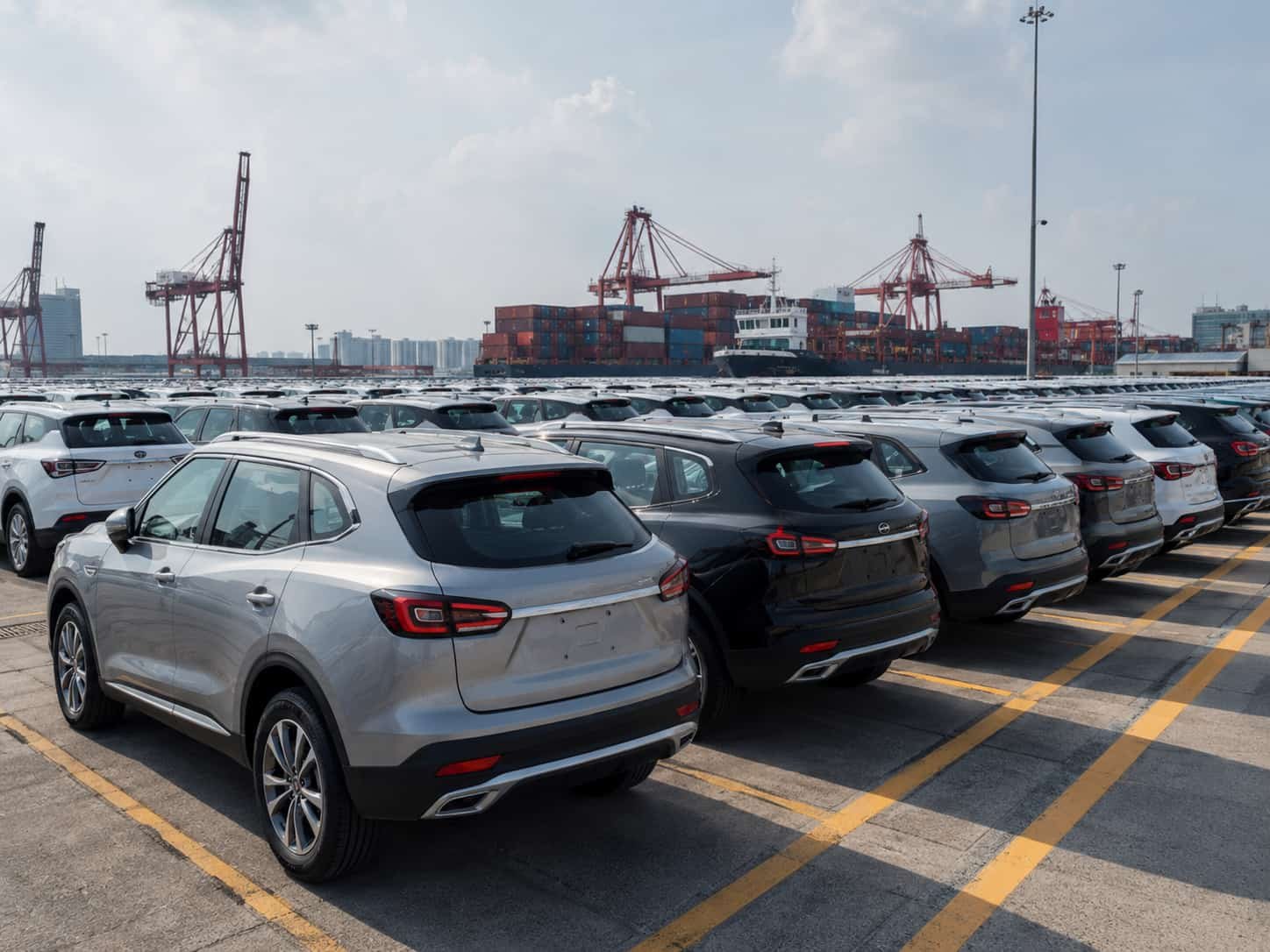
The Chinese Used Car Market: Why Quality Has Improved
The quality of used Chinese vehicles available for export has improved dramatically in the last five years. Several factors have driven this:
- Rapid Chinese domestic market turnover: Chinese consumers trade in vehicles frequently — the domestic new car market is enormous and many buyers upgrade every 2–3 years. This creates a large supply of relatively recent, well-maintained used vehicles.
- EV and NEV adoption: as Chinese buyers switch to EVs and plug-in hybrids, well-maintained petrol SUVs and sedans are entering the used market at 2–4 years old — often in excellent condition.
- Better quality Chinese vehicles to begin with: a 3-year-old Jetour T2 or Changan CS75 is genuinely better quality than a 3-year-old equivalent from five years earlier. Chinese manufacturing quality has improved significantly.
- Growing export infrastructure: specialist used vehicle exporters in Guangzhou have become better at sourcing, inspecting, and documenting used Chinese vehicles for overseas buyers.
Advantages of Used Chinese Vehicles
- Lower FOB cost — higher volume potential: lower per-unit cost means more units per container or more containers per dollar of capital. For volume-focused dealers, used stock enables faster turnover and wider market coverage.
- Duty depreciation advantage: in markets like Kenya, used vehicles benefit from a depreciation schedule applied to customs value. A 4-year-old vehicle might attract 40% less duty per dollar of CIF than a new equivalent.
- Age restriction positioning: a 2-year-old Chinese vehicle is well within Ghana’s 10-year and Kenya’s 8-year limits, while being recent enough to carry strong specification and modern features.
- Wider model availability: the used market has wider model selection than new stock. Models that have been discontinued, updated, or are between production runs are often available used when new stock is limited.
- Better value-for-specification: a 2-year-old BYD Seal at $19,000 FOB has the same specification as a new one at $25,000. For buyers who are specification-focused rather than prestige-focused, the used option delivers more per dollar.
Limitations of Used Chinese Vehicles
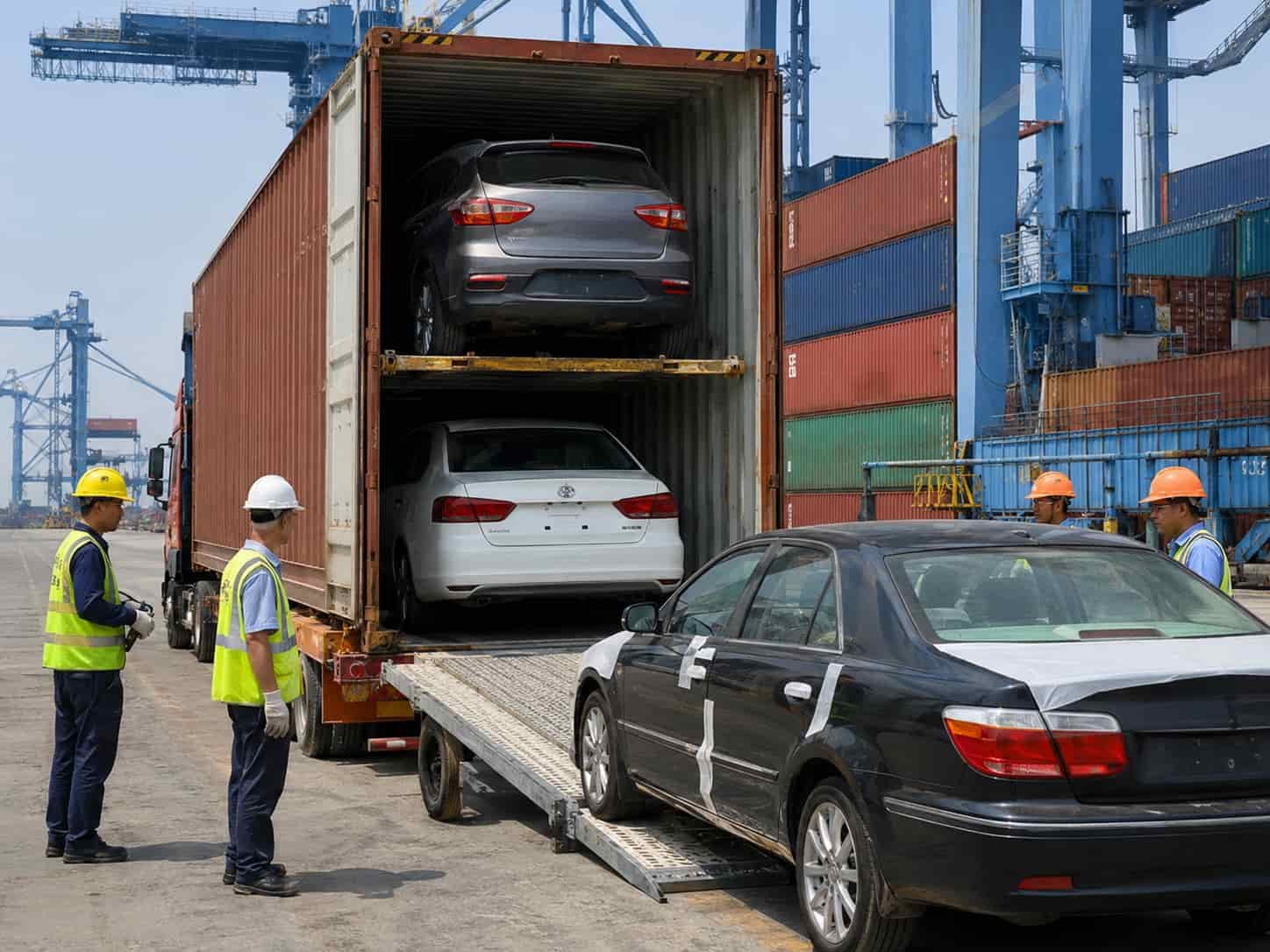
- Condition uncertainty — inspection required: used vehicles require thorough pre-shipment inspection for every unit. See our guide on how to inspect a car before export from Chinafor the full checklist.
- Mileage and history risk: odometer accuracy and service history are harder to verify for used Chinese vehicles than for Japanese vehicles through auction records. Use a reputable exporter and confirm odometer in the inspection report.
- Age restriction management: for markets with age limits (Kenya 8 years, Ghana 10 years), vehicle year must be confirmed before ordering. A sourcing error that delivers an out-of-age vehicle cannot be cleared in those markets.
- No manufacturer warranty: most used vehicles arrive without active manufacturer warranty. This is manageable in most markets but needs to be communicated clearly to buyers.
Price Comparison: New vs Used Chinese Vehicles by Model
Here is a realistic FOB price comparison for the same models in new and used condition, based on typical Nansha Port pricing. These figures represent good-condition used stock — not heavily worn or high-mileage vehicles.
Note: These are indicative FOB ranges from Nansha Port for vehicles in good condition. Actual prices vary based on specific trim level, colour, mileage (used), and current market conditions. Request a current stock list from RichingAuto for live pricing on both new and used inventory.
Market-by-Market Guide: New or Used?
The right choice between new and used Chinese vehicles depends significantly on your specific market’s duty structure, age restrictions, buyer expectations, and your retail price targets. Here is a market-by-market guide:
Key point: The hybrid container approach works best when the new and used models serve clearly different buyer segments in your market — not when they compete for the same buyer. A new Tank 300 (premium segment) and used Changan CS55 (volume segment) complement each other. Two different models targeting the same $15,000–$20,000 retail buyer create internal competition.
What to Tell Your Supplier When Ordering New vs Used
The information you provide in your inquiry determines how accurately your supplier can match stock to your needs. Here is what to specify for each vehicle type:
For New Vehicles
- Model, variant, and year: current year model preferred; specify if previous year is acceptable at a lower price.
- Colour: new vehicle colour availability is determined by what the manufacturer’s dealer network holds. White, silver, and black have highest availability.
- Warranty requirement: confirm if you need a model with official SA/UAE/Saudi dealer warranty (must be an officially present brand), or if local warranty arrangement is acceptable.
- Delivery timeline: new vehicles sourced through dealer network take 4–8 weeks. If you need faster delivery, ready stock used vehicles are the better option.
For Used Vehicles
- Year range: be specific. “2021 or newer” is more useful than “recent”. Check your market’s age restriction before specifying.
- Maximum mileage: specify a ceiling — e.g. “under 40,000km”. Vehicles over 60,000km are harder to sell in premium markets.
- Condition: “good condition with no major body damage” — this triggers the supplier to inspect against your stated standard.
- Service history preference: for higher-value used vehicles, ask if service records are available. Not always possible but worth requesting.
- Inspection requirements: confirm the pre-shipment inspection will include photos, video, odometer, VIN, and written condition notes on any defects. See our pre-shipment inspection guidefor the full checklist.
Conclusion
The new vs used decision is not one-size-fits-all — it depends on your market, your capital, your buyer profile, and the specific models you are sourcing. For Gulf markets with low duty and premium buyer expectations, new or near-new vehicles are the stronger choice. For African markets with higher duty rates, age restrictions, and price-sensitive buyers, used vehicles in the 2–5 year bracket typically deliver the best landed cost economics. For dealers with mixed markets or limited starting capital, the hybrid container approach — combining one or two new anchor units with two or three used volume models — is often the most efficient strategy.
RichingAuto maintains both new vehicle sourcing capability and a ready stock yard of used vehicles at our Guangzhou facility. When you contact us with your market, budget, and target models, we will advise on whether new, used, or a hybrid approach makes the most sense for your specific situation — and provide a stock list and FOB pricing for both options so you can compare directly.