
Introduction
For decades, names like Toyota, Honda, and Kia have been the undisputed leaders of the African automotive market. Their reputation was built on a simple formula: Reliability, Easy Maintenance, and High Resale Value.
However, the landscape in 2026 has shifted. A “Chinese Wave” is sweeping across the continent. From the streets of Lagos to the showrooms of Nairobi, buyers are no longer just asking for “Japanese cars”—they are demanding Chinese SUVs.
Is this shift purely about price, or is something deeper happening in the market? Let’s explore why Chinese SUVs are becoming the new favorite for African importers and drivers.
1. Unbeatable Value for Money
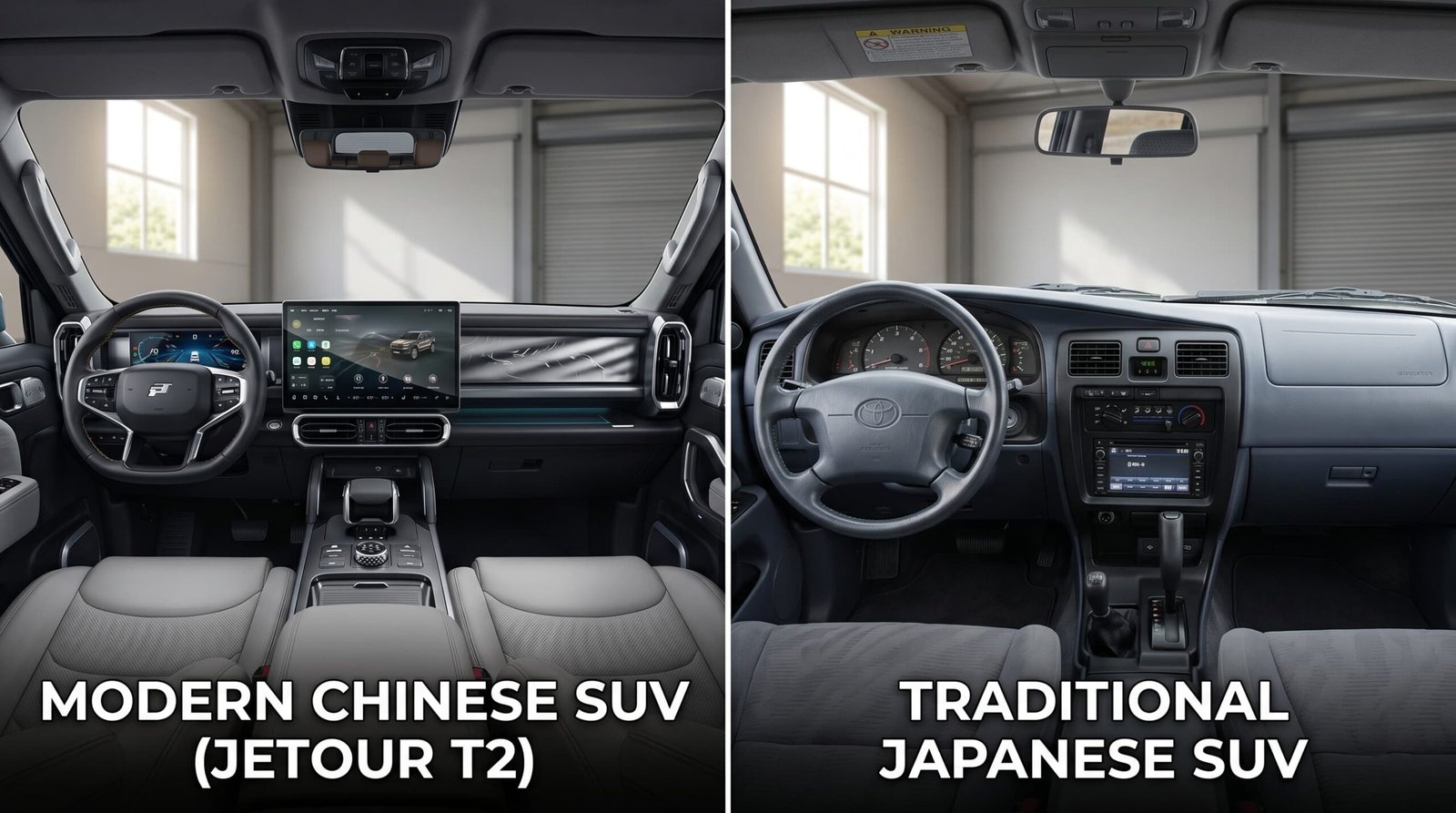
The primary driver of this shift is the Price-to-Feature ratio. In many African markets, a brand-new Chinese SUV costs significantly less than a base-model Japanese competitor while offering twice the equipment.
Lower Entry Cost: Ideal for buyers with fixed budgets who want a “New Car” experience.
Higher Specifications: Leather seats, panoramic roofs, and digital cockpits come standard in models where traditional brands charge a premium.
2. A Quantum Leap in Quality and Engineering
The old perception of Chinese vehicles is gone. Global giants like Geely, GAC Group, BYD, and Jetour have invested billions in R&D and international talent.
According to recent Reuters automotive industry reports, Chinese manufacturers have now reached global parity in safety and engine performance. This improvement has built a new level of trust among African consumers who previously only trusted Japanese engineering.
3. Tech-First Design for a Younger Generation
Africa has one of the world’s youngest populations, and these buyers prioritize connectivity and style.
The “Smart” SUV: Features like massive touchscreens, 360-degree cameras, and AI voice assistants are major selling points.
Premium Styling: Chinese brands have hired top European designers to ensure their SUVs look as prestigious as high-end luxury brands.
4. Higher Profit Margins for Importers
For car traders and dealerships, the business case for Chinese SUVs is undeniable.
Better Margins: Lower sourcing costs in China mean higher markups for the importer.
Faster Inventory Turnover: High demand for affordable SUVs like the Jetour X70 Plus and Geely Coolray means cars don’t sit on the lot for long.
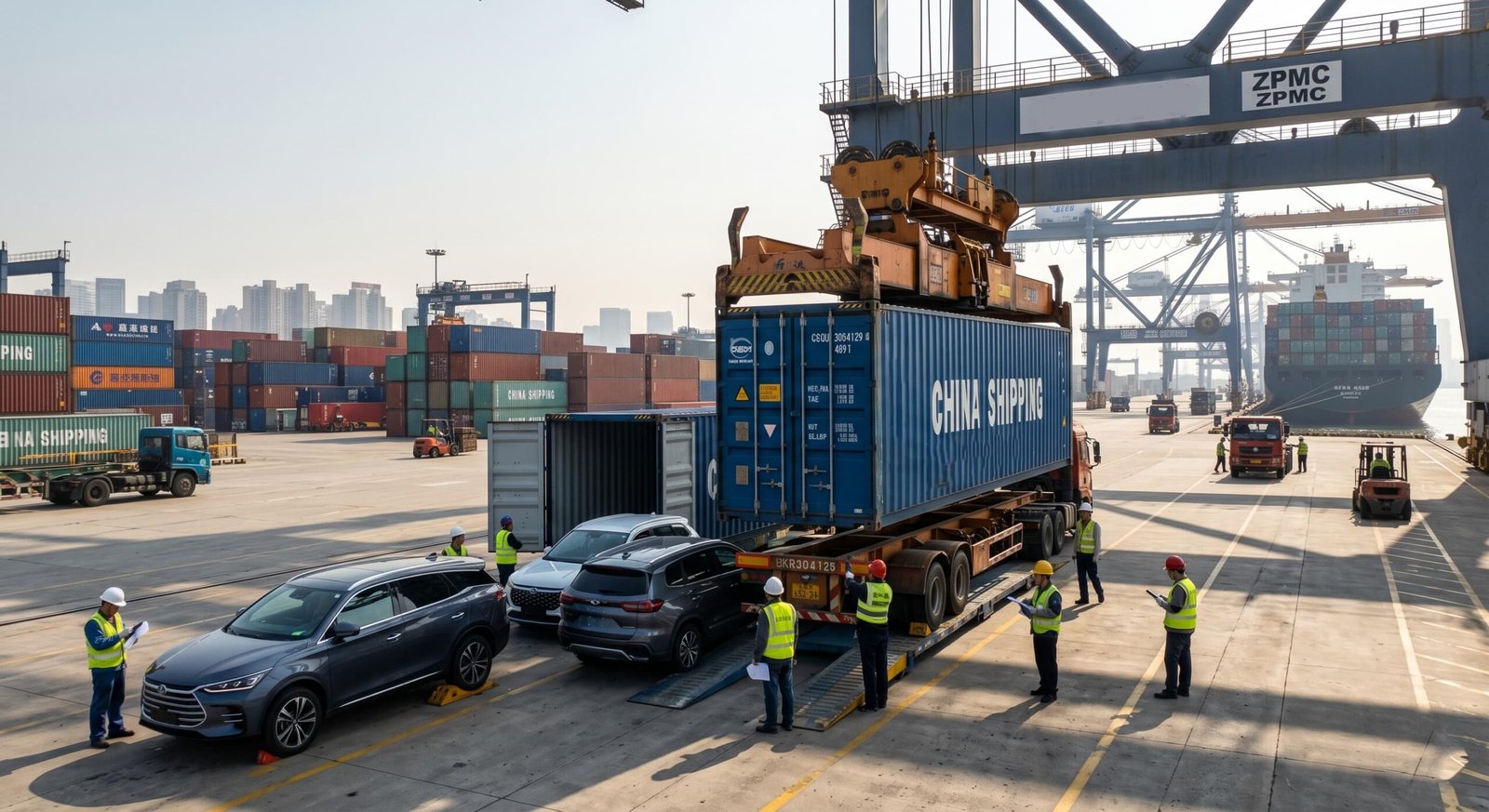
Strategic Logistics: Exporting via Guangzhou Nansha Port allows for efficient container consolidation, further reducing the landed cost per unit.
Comparing the Giants: Japanese vs. Chinese SUVs
| Feature | Japanese Brands (Toyota/Honda) | Chinese Brands (Jetour/GAC/BYD) |
| Primary Strength | Heritage & Reliability | Innovation & Value |
| Resale Value | Exceptional | Rapidly Improving |
| Technology | Functional / Conservative | Cutting-edge / Modern |
| Importer Profit | Stable / Low Margin | High Growth / High Margin |
Markets Leading the Change
We are seeing the strongest growth in Nigeria, Ghana, and the UAE. In these regions, buyers are increasingly looking for “Affordable Luxury”—vehicles that offer a high-status look without the high-status price tag.
Conclusion
Are Chinese SUVs replacing Japanese brands? Not entirely. However, they have become the most important alternative in the 2026 market. For importers, the question is no longer “Chinese or Japanese?” but rather: “What is the best mix for my customers?”
At Riching Auto, we help you navigate this shift by sourcing the best of both worlds, ensuring your inventory remains competitive and profitable.
Contact Us
Ready to upgrade your inventory? We provide:
New and Used LHD Vehicles (Toyota, Jetour, Geely, BYD, etc.)
FOB Export from Guangzhou Nansha Port
Customized SUV Quotations
[Contact us today for our 2026 Stock List and Wholesale Pricing!]