Chinese Luxury Car Brands 2026: Complete Guide for Overseas Dealers
Which Chinese luxury brands are worth importing, how they compare on positioning and price, and which buyer profile and market each one fits best
Table of Contents
For most of the past two decades, “Chinese car” and “luxury” were not words that appeared in the same sentence in overseas markets. That has changed completely. China now produces some of the most genuinely premium vehicles in the world — not budget alternatives wearing premium badges, but vehicles engineered and equipped to compete directly with BMW, Mercedes-Benz, Audi, and even Porsche on specification, technology, and in several cases, driving experience.
For overseas dealers, this creates a genuinely new commercial category. Buyers in the Gulf, North Africa, and parts of sub-Saharan Africa who previously had exactly three choices — German, Japanese, or American — now have a fourth option that often undercuts the first by 20–40% while matching or exceeding it on specification. The challenge is that “Chinese luxury” is not one brand or one positioning — it spans state-prestige sedans, tech-forward EV startups, and traditional manufacturers’ premium sub-brands, each with a different commercial proposition.
This guide maps the Chinese luxury car landscape as it stands in 2026: which brands genuinely qualify as luxury rather than premium-mainstream, how they differ in positioning and export availability, what each costs to source and land in key overseas markets, and which buyer profile and market each brand fits best.
What Actually Counts as "Chinese Luxury" in 2026
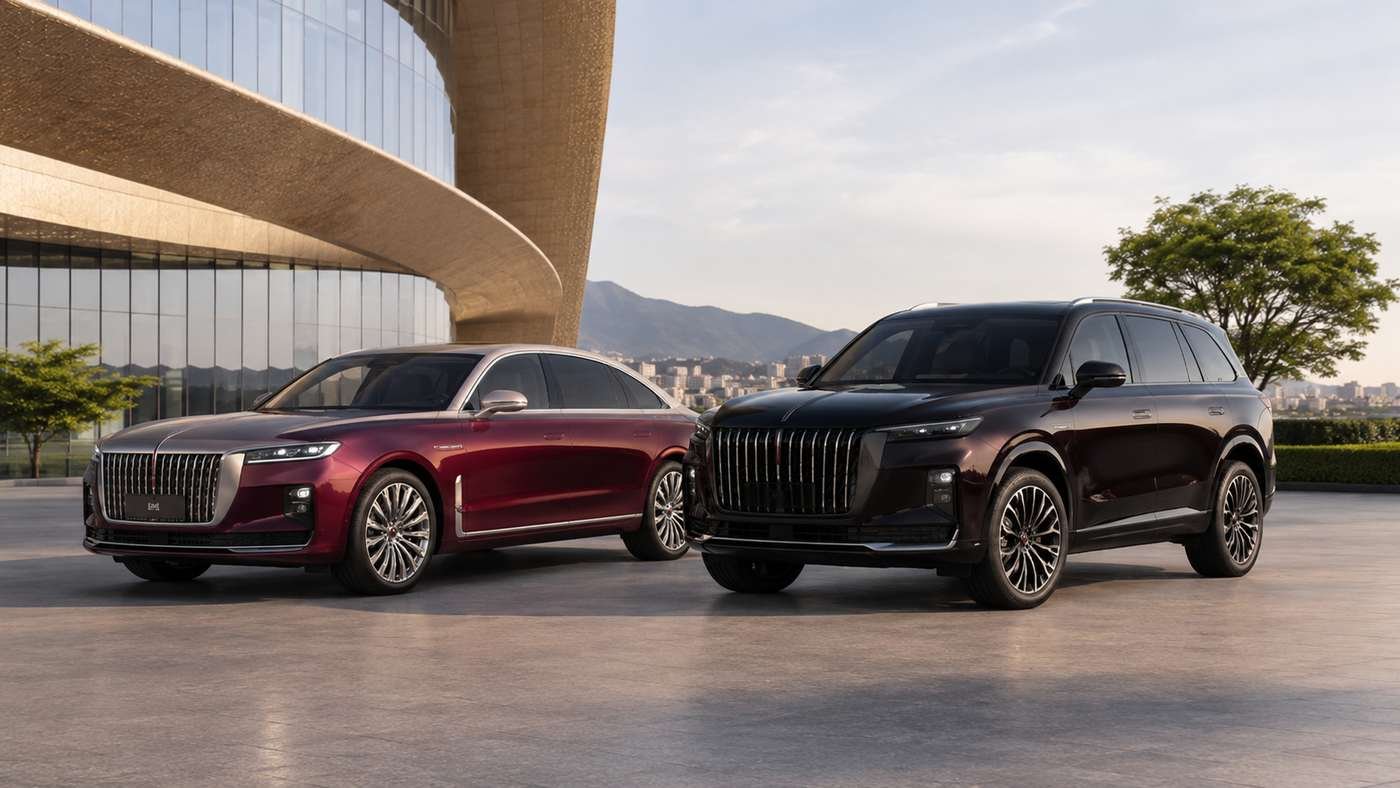
The term gets applied loosely. Before comparing brands, it is worth being precise about what separates a genuine luxury offering from a well-equipped mainstream vehicle:
- Price point: genuine luxury Chinese vehicles retail at $50,000–$130,000+ in overseas markets — comparable to entry and mid-tier German luxury, not budget SUV territory.
- Materials and build: real leather (not synthetic), genuine wood or metal trim, acoustic glass, air suspension as standard rather than an expensive option.
- Technology leadership: large-format displays, advanced driver assistance, premium audio systems (Dynaudio, Meridian-class), and in several cases technology that exceeds what comparable European vehicles offer at the same price.
- Brand story and exclusivity: a genuine luxury brand has a positioning narrative — state prestige (Hongqi), tech sophistication (Xiaomi, ZEEKR), or performance pedigree — not just “the expensive trim of a mainstream brand.”
Distinction: This guide focuses on genuine luxury and premium-EV brands — Hongqi, ZEEKR, Xiaomi, and BYD’s premium sub-segment (Seal, Han, Tang). It does not cover mainstream brands with well-equipped top trims (Changan, Jetour, Haval flagship variants), which are excellent vehicles but occupy a different commercial category — see our individual brand guides for those.
The Chinese Luxury Landscape: Brand by Brand
Hongqi — Chinese State Prestige
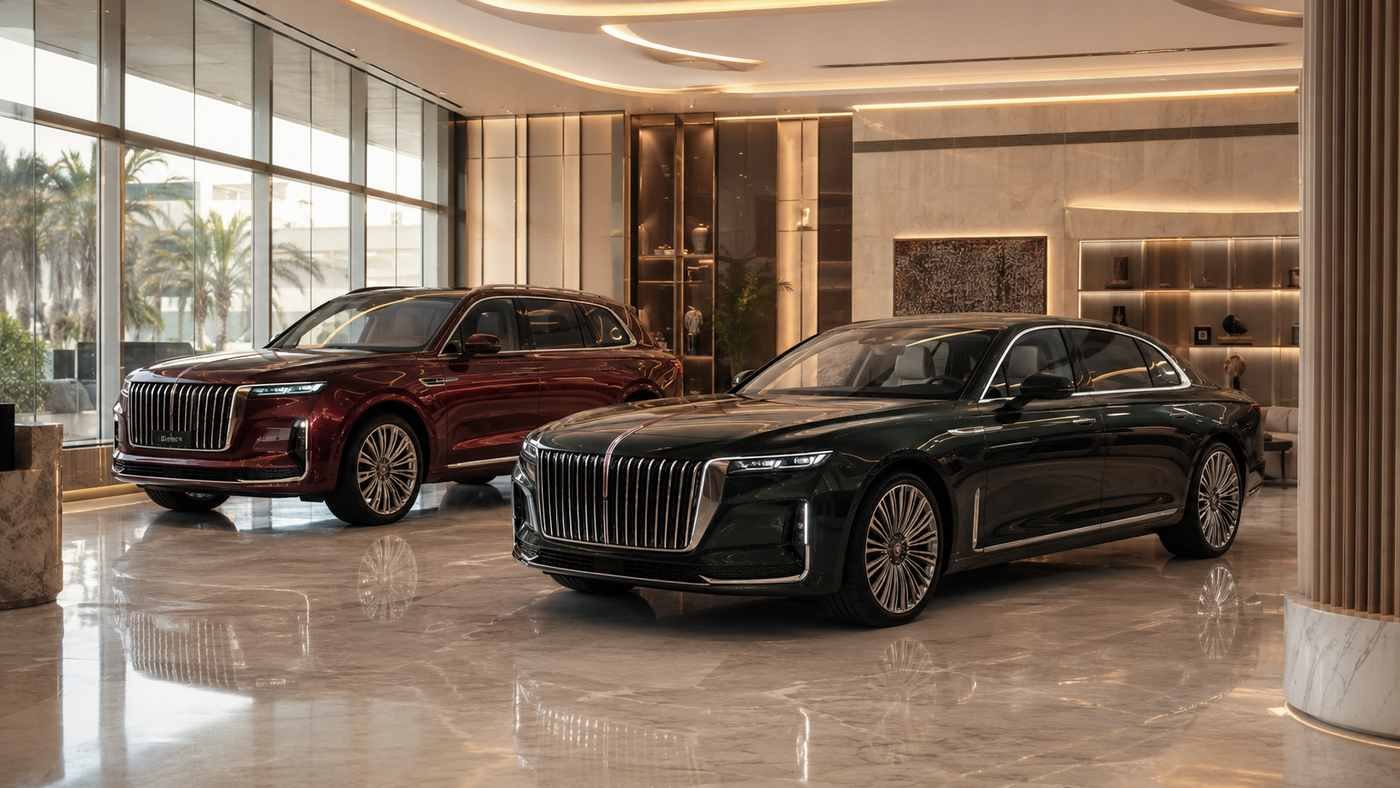
Hongqi is the most historically significant Chinese brand and the closest thing China has to a “national” luxury marque — founded in 1958 as the vehicle of state ceremonies, relaunched commercially in 2018. Its flagship H9 sedan has a longer wheelbase than a BMW 5 Series and genuinely premium specification including air suspension and massaging rear seats. The brand’s positioning is unapologetically prestige-focused — it sells distinction and Chinese national pride as much as it sells horsepower.
Export reality: No official international dealer network in most overseas markets — sourced via grey market traders, which adds 15–30% over Chinese domestic retail and removes factory warranty. See our full Hongqi export guide for detailed specifications and FOB pricing.
ZEEKR — Geely's Premium EV Brand
ZEEKR is Geely Group’s dedicated premium electric vehicle brand, sharing engineering DNA and some platform technology with Volvo and Polestar (also Geely-owned). This gives ZEEKR a genuine European engineering pedigree that few other Chinese luxury brands can claim. Models like the 7X and 9X compete directly with Tesla, BMW iX, and Mercedes EQ models on range, performance, and interior quality.
Export reality: ZEEKR has official dealer presence in UAE and Saudi Arabia, meaning factory warranty and structured after-sales support — a significant advantage over grey-market brands. See our full ZEEKR export guide for model details.
Xiaomi — Tech-Luxury Crossover
Xiaomi’s entry into automotive with the SU7 sedan and YU7 SUV represents a different kind of luxury proposition entirely — not state prestige or traditional automotive engineering, but consumer technology brand equity. Xiaomi is one of the most recognised smartphone and consumer electronics brands globally, and the SU7’s combination of striking design, genuinely quick performance, and deep ecosystem integration with Xiaomi devices has made it a cultural phenomenon in China.
Export reality: Like Hongqi, Xiaomi vehicles are grey market only in most overseas markets — no official distributor network yet. Demand from tech-forward buyers in Gulf markets is strong despite this. See our Xiaomi SU7/YU7 export guide for full details.
BYD Premium (Seal, Han, Tang) — Mainstream Brand, Premium Tier
BYD’s core business is mainstream EVs (Atto3, Dolphin), but its premium-tier models — the Seal sedan, Han flagship sedan, and Tang large SUV — compete in genuine luxury territory on specification and price while carrying BYD’s now well-established brand reputation and official dealer network across the Gulf and parts of Africa.
Export reality: The strongest advantage of BYD premium models is official dealer presence with full warranty in UAE, Saudi Arabia, and South Africa — the same infrastructure that supports BYD’s mainstream range. See our full BYD export guide and our Dubai BYD re-export guide.
Chinese Luxury Brands: Side-by-Side Comparison
| Brand | Positioning | Export Status | FOB Range (Nansha) |
|---|---|---|---|
| Hongqi (H9) | State prestige; chauffeur flagship sedan | Grey market only — most markets | $52,000–$78,000 |
| ZEEKR (7X/9X) | Premium EV; European engineering DNA | Official UAE/Saudi dealer network | $42,000–$95,000 |
| Xiaomi (SU7/YU7) | Tech-luxury; consumer electronics crossover | Grey market only | $35,000–$58,000 |
| BYD Seal/Han | Premium EV sedan; mainstream brand prestige tier | Official UAE/Saudi/SA dealer network | $19,000–$38,000 |
| BYD Tang | Premium 6/7-seat EV SUV | Official UAE/Saudi/SA dealer network | $32,000–$48,000 |
Which Buyer Profile Fits Which Brand
| Buyer Profile | Best-Fit Brand | Why |
|---|---|---|
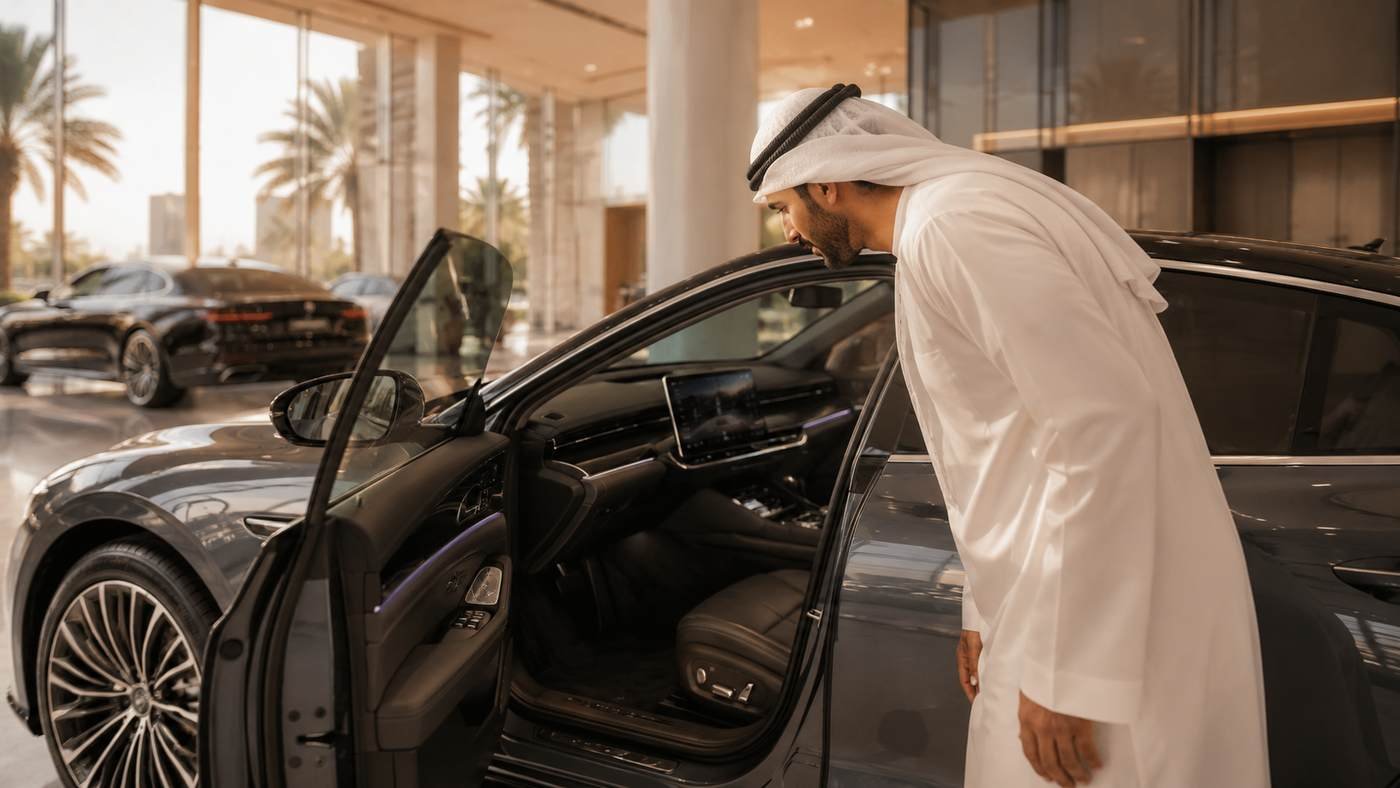
| Government/VIP procurement wanting Chinese state prestige | Hongqi H9 | Unmatched prestige narrative; large rear cabin for chauffeur use; distinctly non-European design |
| Tech-forward early adopter, Gulf urban professional | Xiaomi SU7/YU7 | Brand cachet from consumer electronics; striking design; strong performance generates social proof |
| EV buyer wanting official warranty + resale confidence | ZEEKR or BYD Seal/Tang | Both have official Gulf dealer networks; manufacturer warranty; structured after-sales |
| Buyer cross-shopping against Tesla/BMW iX/Mercedes EQ | ZEEKR 7X/9X | Most direct specification and positioning overlap with these competitors |
| Buyer wanting recognised brand at accessible premium price | BYD Seal/Han | BYD brand recognition strong in Gulf and Africa; lower entry price than Hongqi or ZEEKR flagship |
| Family buyer wanting large premium EV SUV, 6–7 seats | BYD Tang or ZEEKR 9X | Both offer genuine third-row practicality with premium specification |
Market-by-Market: Where Chinese Luxury Sells
| Market | Strongest Brands | Key Dynamic |
|---|---|---|
| UAE (Dubai/Abu Dhabi) | ZEEKR, BYD Seal/Tang, Hongqi (niche) | Most mature Gulf market — official ZEEKR/BYD networks plus strong grey-market Hongqi/Xiaomi demand |
| Saudi Arabia | ZEEKR, BYD Tang, Hongqi H9 (government) | Large engine/SUV preference; government and corporate buyers are a meaningful Hongqi segment |
| South Africa | BYD Seal/Han (official network) | Official BYD presence is main entry point; grey-market Hongqi/Xiaomi less viable due to distance and warranty |
| Nigeria (Lagos premium) | Hongqi H9 (oil sector/government), BYD Seal | Small but real ultra-premium segment; price tolerance exists among narrow buyer base |
| Algeria/Morocco | BYD (where homologated), limited Hongqi/ZEEKR | Homologation requirements (especially Morocco) limit which luxury brands can be sold retail |
Practical guidance: For dealers new to the Chinese luxury segment, the safest entry point is BYD’s premium tier (Seal, Han, Tang) — official warranty, established dealer infrastructure in UAE, Saudi Arabia, and South Africa, and a brand name buyers already recognise from the mainstream range. ZEEKR is the next step for dealers wanting a more distinctly premium-only brand with official Gulf support. Hongqi and Xiaomi require more sophisticated buyers and more sourcing expertise given the grey-market structure — see our guide to sourcing brand new cars from China for grey-market sourcing fundamentals.
Conclusion: Building a Chinese Luxury Offering
The Chinese luxury car category is no longer an experiment — it is a genuine, growing commercial segment with distinct sub-positionings that map to different buyer psychologies. Hongqi sells Chinese state prestige to buyers who want something European brands cannot offer. ZEEKR sells European-engineered EV sophistication with official Gulf support. Xiaomi sells tech-brand cachet to early adopters. BYD’s premium tier sells accessible luxury with a brand name buyers already trust.
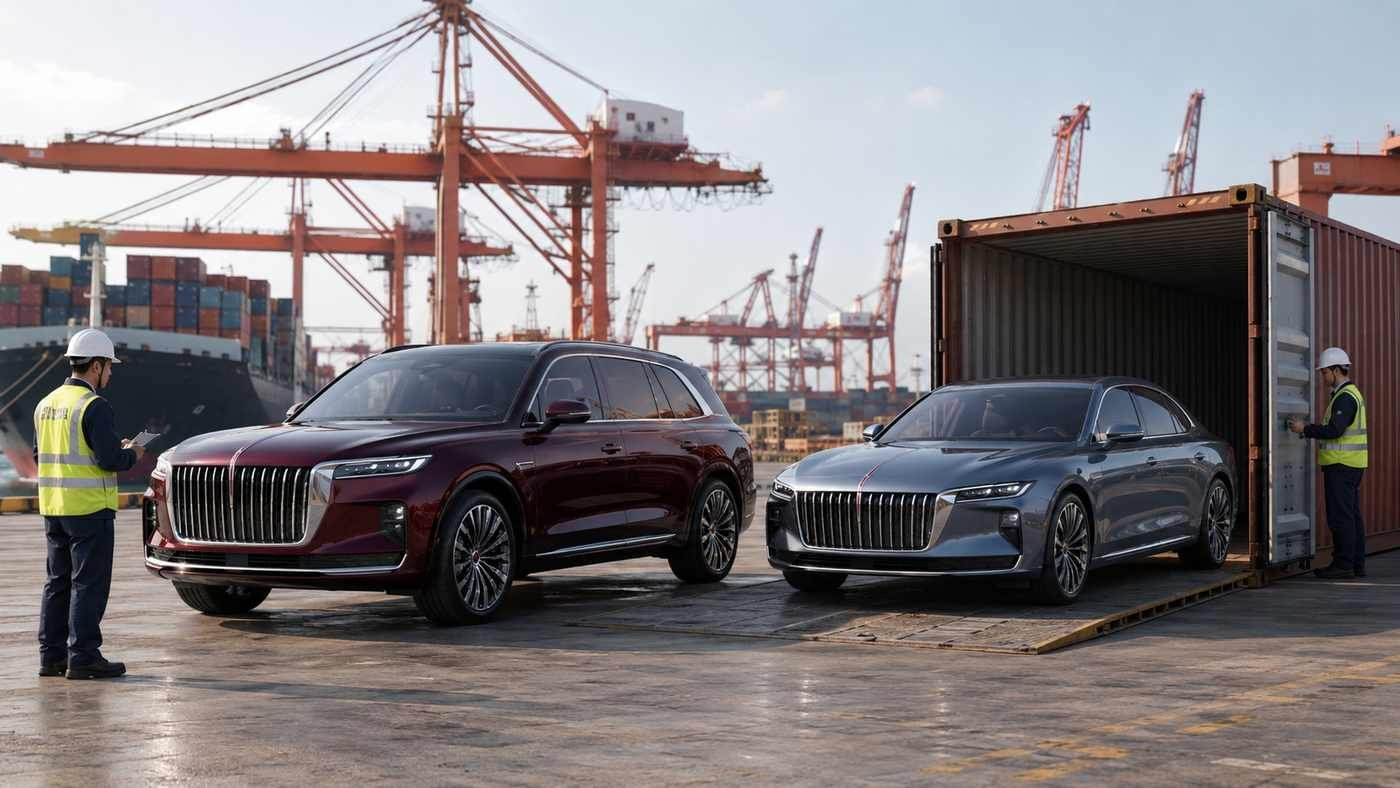
For dealers building a Chinese luxury offering, the practical sequence is usually: start with BYD premium models (official warranty, lowest risk), add ZEEKR if Gulf demand for premium EVs justifies it, and consider Hongqi or Xiaomi only once you have a buyer base sophisticated enough to accept grey-market terms in exchange for genuine exclusivity.
RichingAuto can source all of the brands covered in this guide from Nansha Port. Contact us on WhatsApp with your target brand, model, and destination market, and we will confirm current availability, FOB pricing, and — for grey-market brands — realistic lead times. Browse our current ready stock inventory or read our individual brand guides for full specifications.