
Ghana is one of West Africa’s most commercially open and dealer-friendly car import markets. Unlike neighbouring Nigeria — which has a more complex duty structure and periodic import restrictions — Ghana maintains a relatively transparent customs process through CEPS (Customs, Excise and Preventive Service), a stable vehicle age restriction policy, and a well-functioning port at Tema that handles Chinese vehicle imports efficiently.
Chinese vehicles are gaining ground in Ghana’s market, which has historically been dominated by used Japanese and European imports. The Ghanaian buyer base in Accra, Kumasi, and other major cities increasingly recognises Chinese brands — particularly after-sales service for Changan and MG has expanded in Ghana — and is open to newer Chinese models that offer better specification than aged Japanese alternatives at comparable landed costs.
This guide covers the complete Ghana import process: Ghana’s duty structure, the CEPS clearance process, Tema Port logistics, the vehicle age restriction, a landed cost calculation, the best Chinese models for the Ghanaian market, and the full step-by-step order process from RichingAuto’s Guangzhou yard to your Accra lot. Ghana drives on the right, so standard Chinese LHD exports are a direct fit — unlike the RHD complexity covered in our Kenya import guide.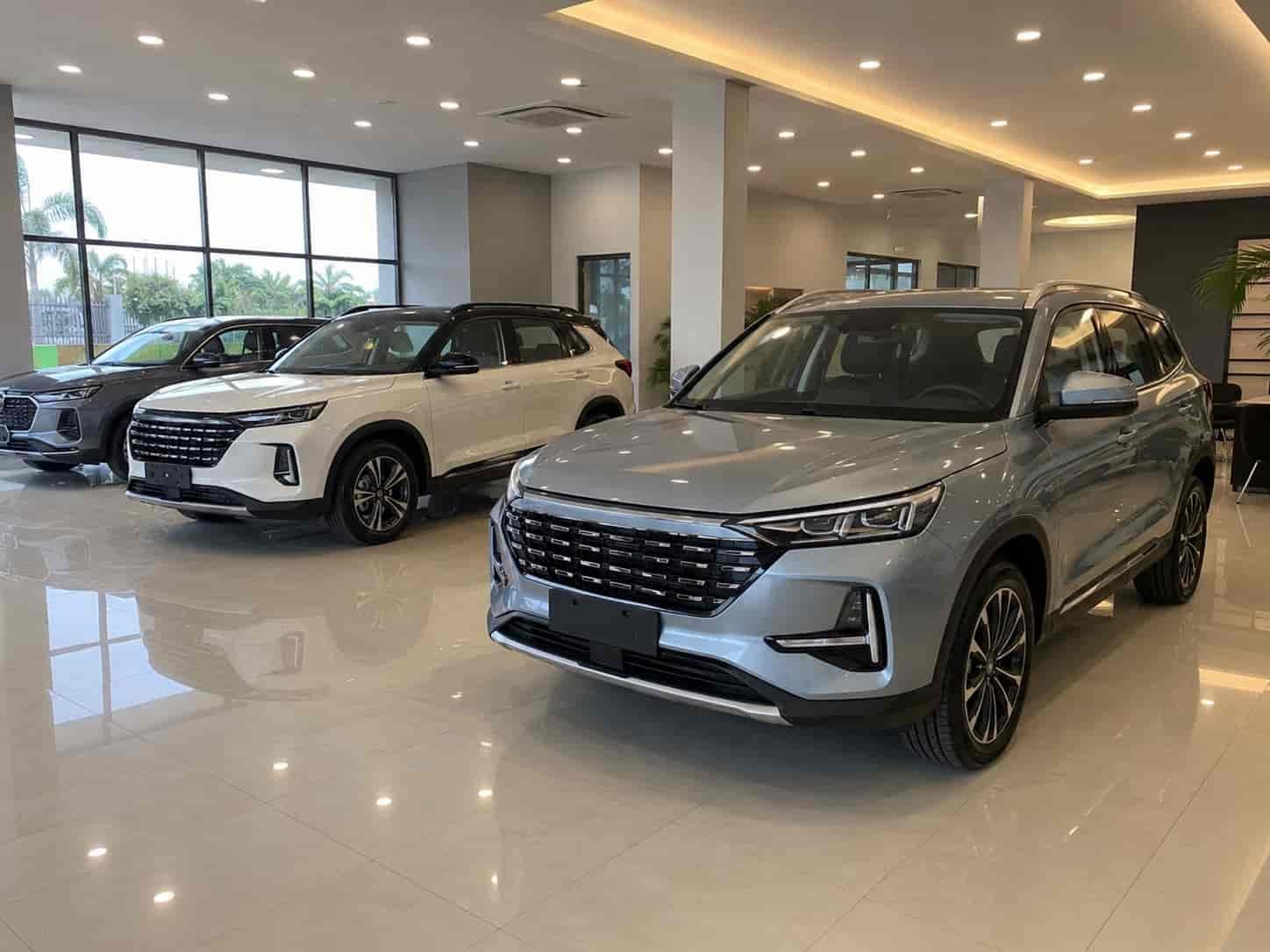
Key point: Ghana drives on the RIGHT side of the road — standard Chinese LHD (left-hand drive) export vehicles are a direct fit. Unlike Kenya, no RHD sourcing is required. This makes Ghana significantly more straightforward to supply from a standard Chinese export inventory.
The Ghana Car Market: Opportunity and Chinese Brand Growth
Ghana imports approximately 40,000–60,000 vehicles annually, the majority of which are used. Accra accounts for the largest share of sales, followed by Kumasi, Takoradi, and Tamale. The market has traditionally been dominated by used Japanese, European, and American vehicles — Toyota, Hyundai, Honda, and Nissan are the most recognised brands — but Chinese vehicles have been making steady inroads since the early 2020s.
Ghana Import Duty Structure
Ghana’s import duty structure is more straightforward than Kenya’s multi-layer system but more complex than the Gulf’s simple 5%. The base duty rate for passenger vehicles is 20% of CIF value, but several additional levies stack on top to produce a total effective rate of approximately 35–45% depending on the vehicle type and current levy status.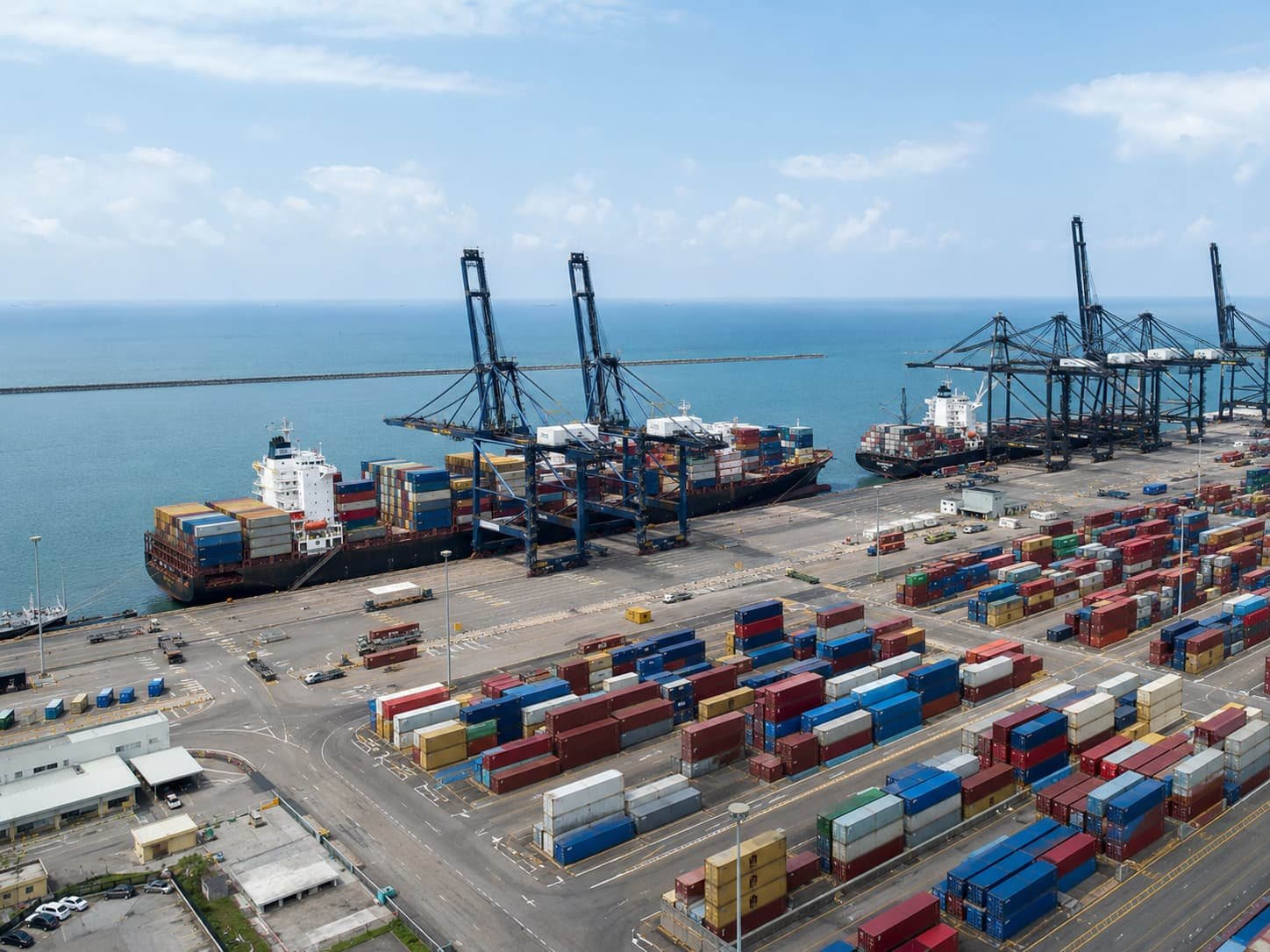
Note: Ghana retail prices are quoted in Ghanaian Cedi — the figures above use USD equivalents for planning purposes. The Ghana Cedi has historically depreciated against the USD, which means USD-denominated import costs can increase relative to GHS retail prices. Build exchange rate risk into your margin model.
Tema Port Import Process: Step by Step
Tema Port, located approximately 25km east of Accra, is Ghana’s primary container port and the main gateway for vehicle imports. The Ghana Revenue Authority (GRA) — through CEPS (Customs, Excise and Preventive Service) — handles customs clearance at Tema. The process is well-established and reasonably efficient for experienced clearing agents.
- Freight forwarder books vessel: your Ghana-side freight forwarder books container space from Nansha to Tema and handles arrival notifications.
- Pre-arrival documentation: your clearing agent submits the pre-arrival customs declaration through Ghana’s Integrated Customs Management System (ICUMS). Documents required: commercial invoice, packing list, bill of lading, certificate of origin.
- GRA/CEPS valuation: customs values the vehicle based on the submitted CIF value and their internal reference values. Unlike Kenya’s CRSP system, Ghana generally uses invoice-based valuation — but customs may query values they consider below market rate.
- Destination Inspection (Destination Inspection Companies): Ghana operates a destination inspection scheme where approved inspection companies may inspect cargo at the port. Your clearing agent handles coordination.
- Duty assessment and payment: all applicable duties and levies are assessed and paid. Your clearing agent handles payment on your behalf.
- Physical examination: a proportion of containers are physically examined by CEPS. For vehicle imports, this involves checking VIN numbers, vehicle condition, and compliance with the declared specification.
- Container release and vehicle delivery: once CEPS clears the cargo, the container is released and vehicles are driven out at the port’s unstuffing area.
- DVLA registration: all imported vehicles must be registered with the Driver and Vehicle Licensing Authority (DVLA) before they can be sold for road use.
Key point: Total timeline from deposit payment to vehicles on your Accra lot is typically 55–75 days: 7–15 days for loading at Nansha, 28–38 days ocean transit to Tema, 7–14 days for CEPS clearance, and 3–5 days for delivery to Accra. Ghana’s transit time from China is longer than for East or Gulf ports.
Which Chinese Models Are Best for the Ghana Market?
The Ghanaian car market is primarily urban and semi-urban, with Accra and Kumasi driving the majority of sales. Road infrastructure in major cities is reasonable for standard vehicles, though flooding during rainy season creates temporary demand for higher ground clearance. The primary buyer profile is the middle-class urban professional who wants a modern-looking SUV at a price point that beats used Japanese alternatives on specification and age.
Design tip: The proximity of Tema Port to Accra — approximately 25km — is a genuine logistical advantage. Once your container is released, vehicles can be at your Accra lot the same day. This is faster than most African port-to-lot logistics and reduces storage costs.
Managing Ghana Cedi Exchange Rate Risk
One of the most important considerations for Ghana-based dealers importing Chinese vehicles is exchange rate risk. Ghana has experienced significant Cedi depreciation over recent years, meaning the GHS equivalent of your USD-denominated FOB costs can increase substantially between the time you order and the time you sell.
- Price in USD where possible: if your buyers can pay in USD (common for higher-value vehicles sold to business buyers or expatriates), pricing in USD removes exchange rate risk.
- Fast inventory turnover: the longer vehicles sit in inventory, the greater the currency risk. Maintaining a lean, fast-turning stock reduces exposure.
- Build exchange rate buffer into your retail price: add a 5–10% buffer above your target margin to absorb moderate currency movement between order and sale.
- Order frequently in smaller quantities: rather than one large container every quarter, consider two smaller containers — this averages your exchange rate exposure over more purchase points.
What to Tell Your Supplier When Ordering for Ghana
To get the most accurate stock list and FOB quote for a Ghana order, include the following in your inquiry:
- Destination port: Tema Port, Ghana — primary port for Accra and surrounding market.
- Vehicle age: Ghana’s 10-year limit means 2015 or newer (as of 2025). Recommend 2019 or newer for best resale value.
- Model preference: compact and mid-size SUVs dominate Ghana — Changan CS55, CS75, Jetour X70, X90, Geely Coolray, Boyue Pro.
- Fuel type: petrol for most Ghana buyers; EV for Accra urban buyers only at this stage.
- Condition: used 2–5 years preferred for best landed cost vs retail value balance.
- Colour: white and silver move fastest in Ghana; black popular in premium segment.
- Quantity: Ghana market is smaller than Nigeria — 3–6 units per container is typical for most dealers.
- FOB budget: be clear on your ceiling price at Nansha — Ghana’s higher effective duty rate means margins are tighter than Gulf markets.
- Certificate of Origin: confirm your supplier will arrange CCPIT CO — needed for ECOWAS levy calculation.
Conclusion
Ghana offers a commercially accessible and growing market for Chinese vehicles. The LHD fit (eliminating the RHD complexity of Kenya), a transparent CEPS clearance process, a 10-year vehicle age limit that includes the best Chinese stock, and a buyer base increasingly open to Chinese brands all make Ghana a viable market for dealers sourcing from China.
The main considerations are the longer transit time from China (28–38 days to Tema vs 12–20 days to the Gulf), the Ghana Cedi exchange rate risk, and the combined duty burden of approximately 40–50% of CIF value. Dealers who build these factors into their margin model and maintain fast inventory turnover can build a profitable Chinese vehicle import business in Ghana.
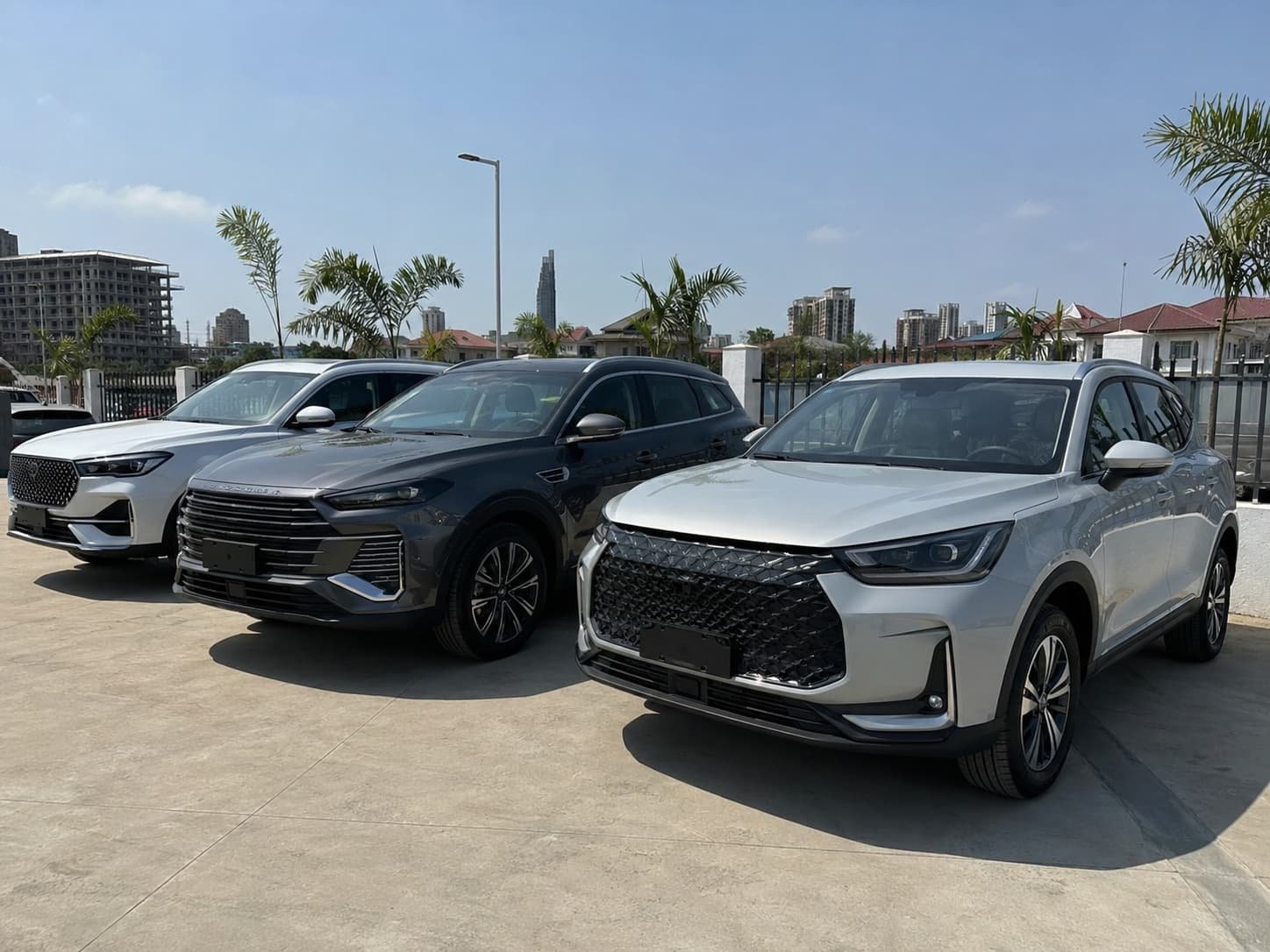
The strongest models for Ghana are compact and mid-size SUVs: Changan CS55 Plus and CS75 Plus for volume, Jetour X70 and X90 for buyers wanting something different from the standard Japanese options, and Geely Boyue Pro for the premium family segment. For dealers ready to test the EV market in Accra, the BYD Atto3 is the most practical starting point.
RichingAuto ships regularly to Tema Port from our Guangzhou yard at Nansha. Browse our current ready stock listing for available inventory, or contact us on WhatsApp with your target model, year, and budget — we will reply with a matching stock list and a Tema landed cost estimate within 24 hours.