Kenya is one of East Africa’s most active vehicle import markets and an increasingly important destination for Chinese cars. The Kenyan car market is primarily driven by used vehicle imports — Japan has historically been the dominant source, but Chinese vehicles are rapidly gaining ground as Kenyan dealers discover that newer Chinese models offer better specifications, lower mileage, and competitive pricing compared to ageing Japanese stock at similar price points.
There are two important differences that distinguish Kenya from the Gulf markets covered in our previous guides: Kenya drives on the left side of the road, which means only right-hand drive (RHD) vehicles are permitted for road registration — and China predominantly produces left-hand drive (LHD) vehicles. This RHD requirement is the most critical factor for Kenya-bound orders and must be confirmed before any vehicle is ordered. Additionally, Kenya applies a more complex import duty structure than the Gulf’s simple 5% rate.
This guide covers the complete Kenya import process: the RHD requirement and how to source RHD Chinese vehicles, the Kenya Revenue Authority (KRA) duty structure, the Mombasa Port process, a landed cost calculation, the best Chinese models for the Kenyan market, and a step-by-step order process. If you have read our UAE import guide or Saudi Arabia import guide, you will notice Kenya has more complexity — this guide covers all of it.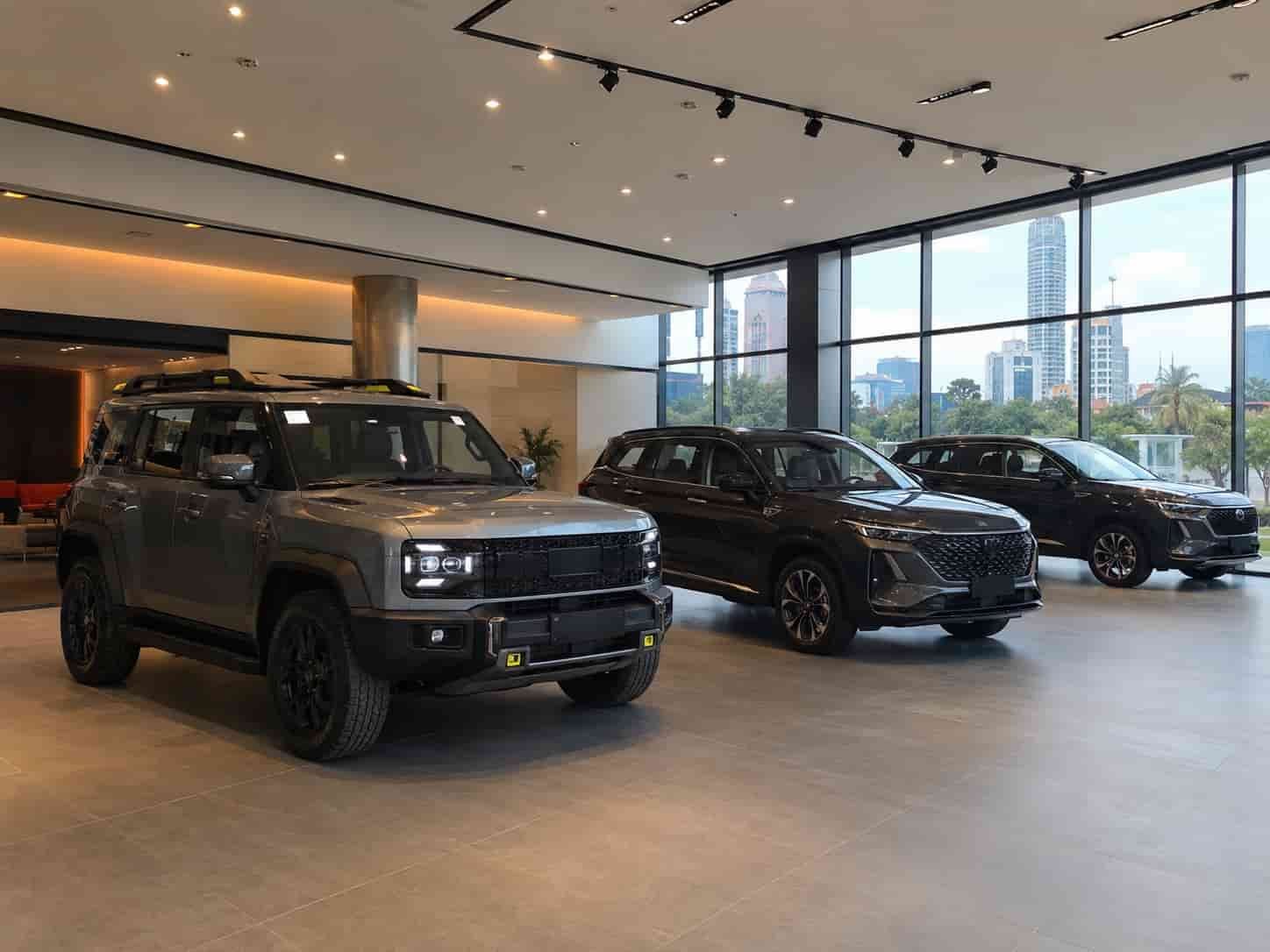
Key point: Kenya is a right-hand drive (RHD) country. Only RHD vehicles can be registered for road use. Most standard Chinese export vehicles are LHD — you must specifically request RHD variants or source from suppliers who hold RHD stock. Confirm RHD availability before placing any order for Kenya.
The Kenya Car Market: Scale and Chinese Brand Opportunity
Kenya imports approximately 80,000–100,000 used vehicles annually, making it one of the largest used vehicle import markets in Sub-Saharan Africa. The market is dominated by used Japanese vehicles (Toyota, Nissan, Honda, Mazda), primarily sourced from Japanese auction houses. However, this dominance is being gradually challenged by Chinese alternatives that offer newer vehicles with better specifications at comparable or lower landed costs.
The RHD Requirement: The Most Important Factor for Kenya
Kenya drives on the left side of the road — meaning the steering wheel must be on the right side of the vehicle (RHD). Left-hand drive vehicles cannot be registered for road use in Kenya. This is the single most important consideration for dealers ordering Chinese vehicles for the Kenyan market.
RHD Chinese Vehicles: What Is Available
The good news for Kenya-bound dealers is that RHD variants of popular Chinese models do exist — but they are produced in smaller volumes than LHD and are not available from all suppliers. Here is the current RHD availability picture:
Important: When ordering Chinese vehicles for Kenya, always specify “RHD required” in your inquiry. Do not assume that a Chinese supplier holds RHD stock — most standard inventory is LHD. RichingAuto maintains a separate RHD sourcing network for East African markets. Contact us with your RHD requirements and we will advise on current availability. For models where RHD is limited (Tank, Xiaomi, ZEEKR), consider alternative models that have established RHD availability.
Kenya Import Duty Structure: KRA and How It Works
Kenya’s import duty on vehicles is more complex than the Gulf’s simple 5% rate. The Kenya Revenue Authority (KRA) applies multiple taxes that stack on top of each other, and crucially, KRA uses its own Current Retail Selling Price (CRSP) database for valuation — not the invoice value you paid. Understanding this is essential for accurate landed cost calculation.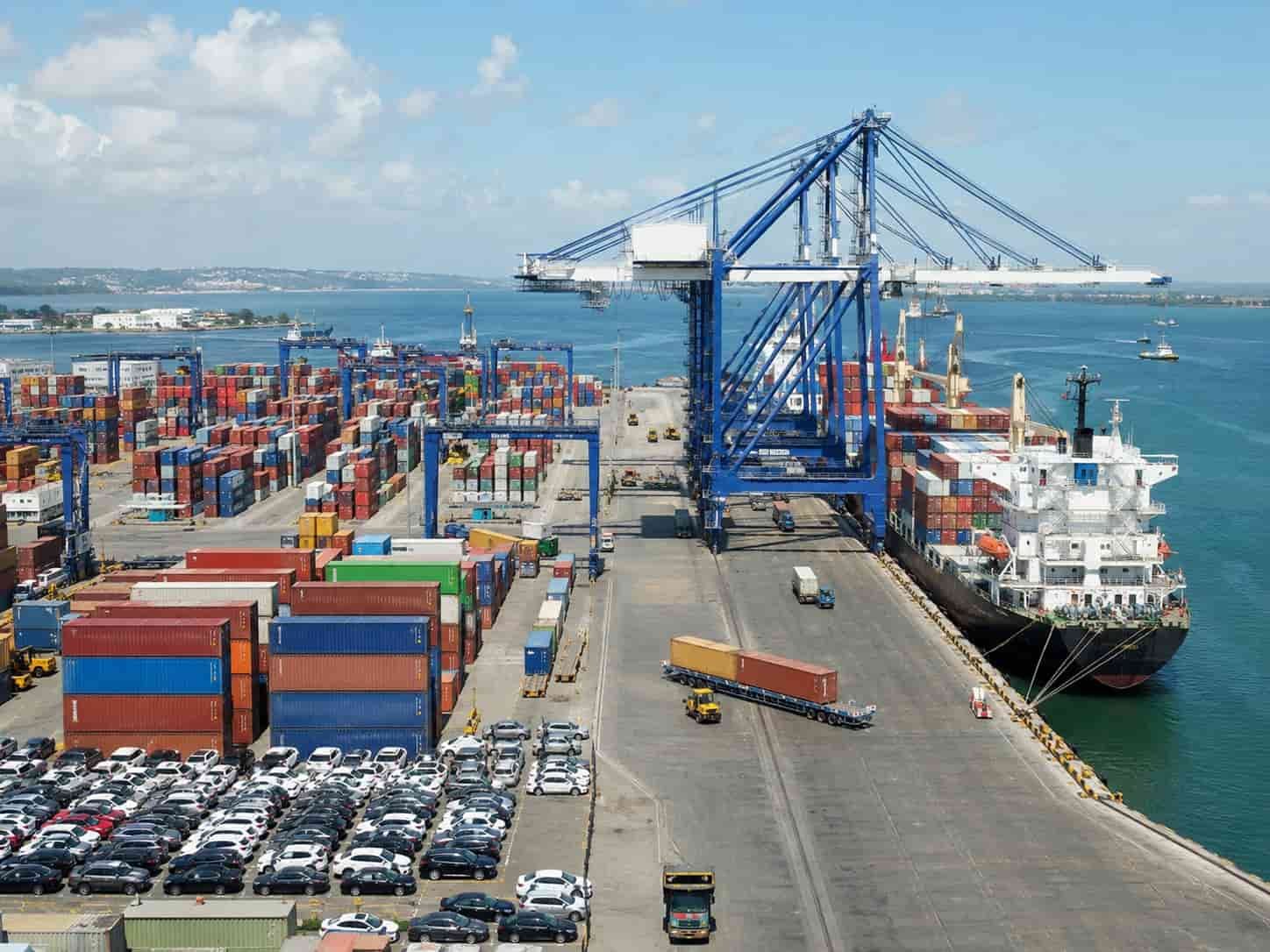
Kenya’s Import Tax Components
Important: KRA values vehicles using its CRSP database — not the invoice you submit. If KRA’s CRSP value for your vehicle model is higher than your actual purchase price, you pay duty on the higher KRA figure. This is a major consideration for Chinese vehicles: KRA may not have accurate CRSP data for newer Chinese models, which can create valuation disputes. Work with an experienced Mombasa clearing agent who knows how to handle KRA CRSP challenges for Chinese vehicles.
Vehicle Age and Depreciation in KRA Valuation
KRA applies depreciation to the CRSP value based on the vehicle’s age, reducing the taxable value for older vehicles. However, Kenya also enforces a maximum vehicle age of 8 years from year of manufacture at time of import — vehicles older than 8 years cannot be registered.
Design tip: The 8-year age limit and the depreciation schedule interact to create an optimal import window. Vehicles that are 3–5 years old offer the best balance: lower CRSP-based duty (due to depreciation) and still well within the 8-year age limit. Newer vehicles (0–2 years) face full CRSP valuation — but their higher resale value may justify the higher duty. Work out the landed cost for each age bracket before deciding which year range to order.
Landed Cost Calculation: China to Kenya (Mombasa)
The following calculation illustrates the real landed cost of importing a Chinese SUV to Kenya. Kenya’s multiple tax layers mean the landed cost is significantly higher as a percentage of FOB than Gulf markets — but Kenyan retail prices are also substantially above FOB, maintaining viable dealer margins.
Note: These figures are illustrative. KRA CRSP values for Chinese vehicles vary and may not precisely reflect the depreciation percentages above. Always get a pre-import duty assessment from your Mombasa clearing agent using the specific model, year, and engine specification before committing to an order. The clearing agent’s estimate will be more accurate than any general calculation.
Mombasa Port Import Process: Step by Step
Mombasa Port (Kilindini Harbour) is Kenya’s primary port for vehicle imports. Many Nairobi-bound shipments are cleared through the Nairobi Inland Container Depot (ICD) rather than at Mombasa itself — your clearing agent will advise on the optimal route based on your destination.
- Freight forwarder books vessel: your Kenya-side freight forwarder books container space from Nansha to Mombasa and handles arrival notifications.
- Vessel arrival at Mombasa Port: transit time from Nansha is approximately 22–30 days. Mombasa Port is a busy port — allow time for berth allocation.
- Pre-arrival documents: your clearing agent submits the pre-arrival declaration to KRA using the iCMS (Integrated Customs Management System). This includes the commercial invoice, packing list, bill of lading, and certificate of origin.
- KRA valuation and duty assessment: KRA assesses duty using their CRSP database. Your clearing agent may need to provide additional documentation to support the actual vehicle value if there is a discrepancy with the CRSP figure.
- Duty payment: import duty, excise duty, VAT, IDF, and RDL are all paid at this stage. Your clearing agent handles payment on your behalf.
- Physical inspection: KRA may require a physical inspection of the vehicle. This is common for used imports and checks vehicle condition, odometer reading, and compliance with the declared specification.
- Container release and vehicle delivery: once customs clears the cargo, the container is released and vehicles are driven out. For Nairobi-bound cargo, the container may proceed to the Nairobi ICD by rail or road for clearance closer to the final destination.
- NTSA inspection and registration: all imported vehicles must pass a National Transport and Safety Authority (NTSA) inspection before registration and sale. Used Chinese imports will be inspected at an authorised inspection centre.
Key point: Total timeline from deposit payment to vehicles on your Nairobi lot is typically 60–85 days — longer than the Gulf markets due to longer transit (22–30 days vs 12–20 days to Gulf) and a more involved KRA clearance process. Factor this into your inventory planning.
Which Chinese Models Are Best for the Kenya Market?
The Kenyan market has specific characteristics that shape which Chinese models perform well: buyers compare primarily against used Japanese vehicles, off-road capability is important for upcountry routes and Nairobi’s occasionally challenging roads, diesel is strongly preferred for capable 4WDs, and the RHD requirement limits available options.
Key point: For upcountry Kenya — routes to Kisumu, Eldoret, Nakuru, Mombasa — body-on-frame 4WD capability is essential. The Jetour T2 positions directly against the Toyota Land Cruiser Prado, which has dominated this segment for decades. For a detailed Prado vs T2 comparison for African markets, see our article on Jetour T2 vs Toyota Prado for Africa. For urban Nairobi, mid-size SUVs and EV fleet vehicles are the growing segment.
Diesel vs Petrol: A Critical Decision for Kenya
Diesel is strongly preferred in Kenya for capable 4WD vehicles — it aligns with the Toyota Land Cruiser and Hilux diesel tradition that has set buyer expectations, and diesel offers better fuel economy on long intercity routes. For urban commuter vehicles, petrol is acceptable. For EVs, the decision is market-segment dependent.
Kenya vs Nigeria: Key Differences for Chinese Car Importers
Dealers who operate in both East and West Africa will note significant differences between the Kenya and Nigeria import environments. Here is a direct comparison:
Documents Required for Kenya Vehicle Import
Important: Kenya requires a Pre-Export Verification of Conformity (PVoC) certificate from a KEBS-approved inspection agency before the vehicle is loaded in China. This inspection confirms the vehicle meets Kenya’s standards. The inspection fee is typically $150–$350 per vehicle. Arrange this with your Chinese supplier before container loading — missing this step causes delays and additional costs at Mombasa.
Step-by-Step: Ordering Chinese RHD Cars for Kenya
What to Tell Your Supplier When Ordering for Kenya
Kenya orders require more specific briefing than Gulf market orders due to the RHD requirement and age restrictions. Include the following in every Kenya inquiry:
- RHD REQUIRED: state this first and clearly. Do not assume — confirm RHD availability for your target model before discussing price.
- Vehicle age: Kenya’s 8-year limit means only vehicles manufactured 2017 onwards (as of 2025) are eligible. Specify year range — we recommend 2019 or newer for good resale value.
- Fuel type: diesel for 4WDs, petrol for urban SUVs. Specify — both availability and duty rate differ.
- Model and variant: confirm the RHD variant exists for your chosen model before ordering.
- PVoC inspection: confirm your supplier will allow and coordinate with a KEBS-approved inspector in China before loading.
- Odometer: Kenyan buyers are sensitive to mileage — specify maximum mileage acceptable (typically under 60,000km for 3–5 year vehicles).
- Destination: Mombasa Port — and whether you want Nairobi ICD clearance or Mombasa clearance.
- FOB budget: RHD Chinese vehicles typically carry a $500–$1,500 premium over LHD equivalents due to lower production volume.
Conclusion
Kenya offers a genuine and growing market for Chinese vehicles — but it requires more careful preparation than Gulf imports due to the RHD requirement, the complex KRA duty structure, the PVoC inspection requirement, and the 8-year vehicle age limit. Dealers who navigate these requirements correctly will find a market where newer Chinese models with better specification consistently outsell aged Japanese alternatives at similar landed costs.
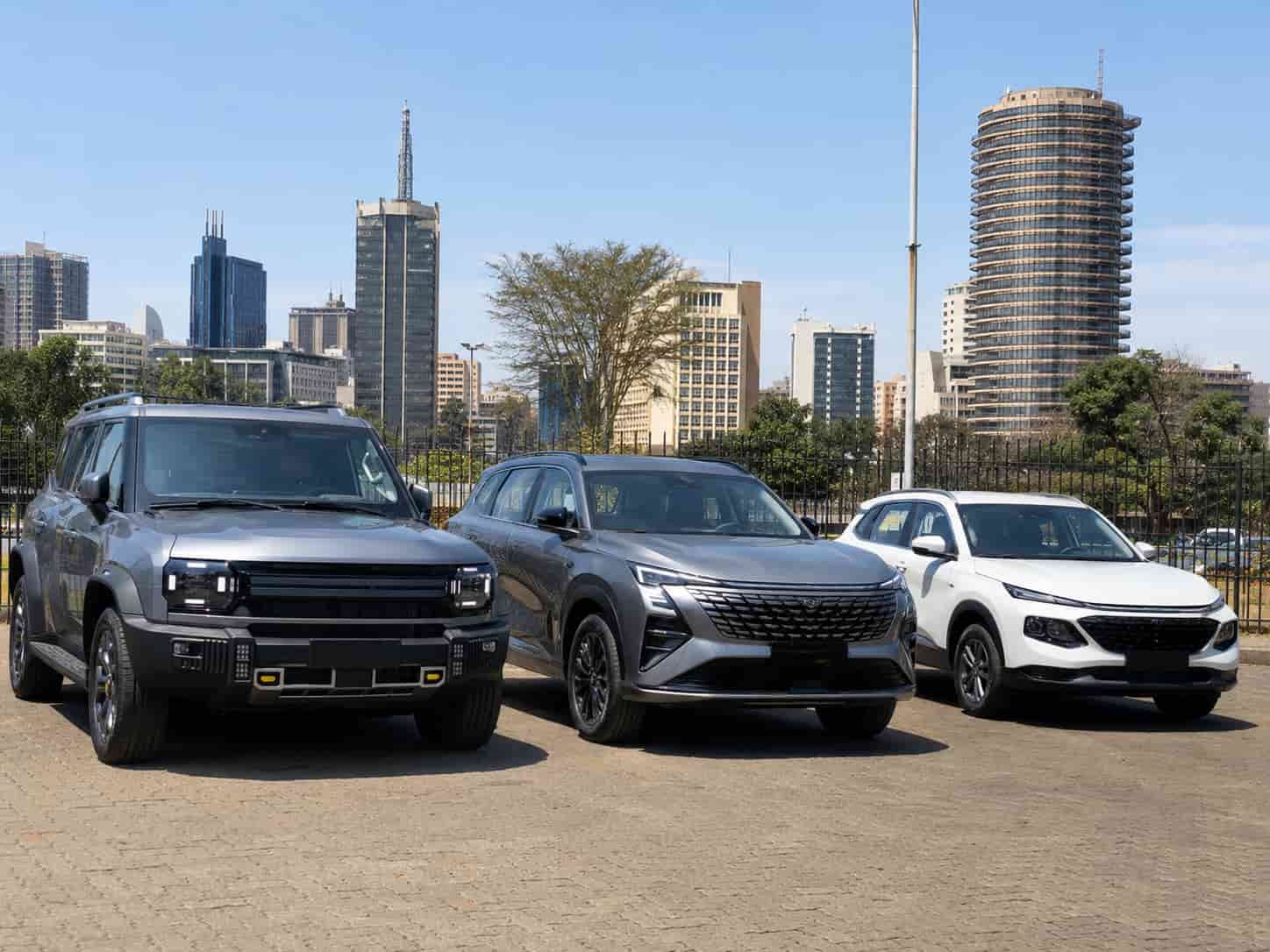
The most successful Chinese models for Kenya are those available in RHD with established track records: the Jetour T2 for the upcountry and premium 4WD segment, the Changan CS75 Plus and Geely Boyue Pro for the family SUV market, and the BYD Atto3 for corporate fleet buyers in Nairobi. As RHD production expands across more Chinese brands, the selection will continue to improve.
RichingAuto maintains a dedicated RHD sourcing network for East African markets. Contact us on WhatsApp with your target model, year range, fuel type, and mileage preferences — we will confirm RHD availability, provide a current stock list, and connect you with a Kenya clearing agent who can give you an accurate pre-import duty estimate for Mombasa. Browse our current ready stock listing for available inventory including RHD-specific stock.