How to Import Cars from China to South Africa: A Complete Guide for Dealers

Import duty, homologation requirements, SARS clearance, Durban Port logistics, RHD vs LHD, best Chinese models for SA, and the full buying process from Nansha Port to Johannesburg or Cape Town

Table of Contents

South Africa is the largest and most sophisticated car market on the African continent. With annual new vehicle sales of approximately 500,000–550,000 units and a well-developed automotive retail infrastructure spanning Johannesburg, Cape Town, Durban, and Pretoria, South Africa offers Chinese vehicle importers a market with genuine scale and a buyer base that is increasingly open to Chinese brands.

BYD, Geely, Chery (via Omoda and Jaecoo), GWM (via Haval and Tank), Mahindra, and Kia have all established or are establishing official dealer networks in South Africa. This growing official presence has raised buyer awareness and confidence in Chinese brands significantly — giving independent importers who source directly from China a more receptive market than was available even three years ago.

South Africa has two important characteristics that shape the import process: like Kenya, South Africa drives on the left side of the road — so right-hand drive (RHD) vehicles are required for road registration. And South Africa has a formal homologation process through the SABS (South African Bureau of Standards) for new vehicle models. This guide covers both in detail, alongside the SARS customs process, Durban Port logistics, landed cost calculation, and the best Chinese models for the South African market. If you have read our Kenya import guide, some of the RHD dynamics will be familiar — but South Africa’s process has distinct differences.

Key point: South Africa drives on the LEFT side of the road — RHD (right-hand drive) vehicles are required for road registration. However, South Africa’s LHD import situation is more nuanced than Kenya’s: LHD vehicles can be imported but cannot be registered for general road use. Some dealers import LHD vehicles for specific commercial or agricultural purposes, but for standard retail sale, RHD is required.

The South Africa Car Market: Africa’s Most Developed Automotive Market

South Africa’s automotive market is unique on the African continent in its sophistication. It has a domestic manufacturing industry (Toyota, Ford, Isuzu, Volkswagen, and BMW all manufacture in SA), a well-developed dealer network, strong financing infrastructure, and a consumer base that researches vehicles thoroughly before buying. Chinese vehicles are increasingly competing on specification and value — not just price.

SA Market Factor Detail
Annual new vehicle sales~500,000–550,000 units (Africa's largest market)
Drive sideLEFT TRAFFIC — RHD vehicles required for road registration
Primary import portDurban Port (Ro-Ro and container) — largest vehicle import port
Secondary portsCape Town, Port Elizabeth/Gqeberha
Transit from Nansha20–28 days (one of the shorter African routes)
Import duty25% on CIF value + 15% VAT (reclaimable)
Vehicle age restrictionNo specific age limit — SARS assesses based on roadworthiness
Homologation requirementYes — SABS approval required; simpler for models with official SA presence
Chinese brand presenceBYD, GWM/Haval, Geely, Chery/Omoda officially present
CurrencySouth African Rand (ZAR) — significant USD/ZAR volatility

The RHD Requirement and Homologation in South Africa

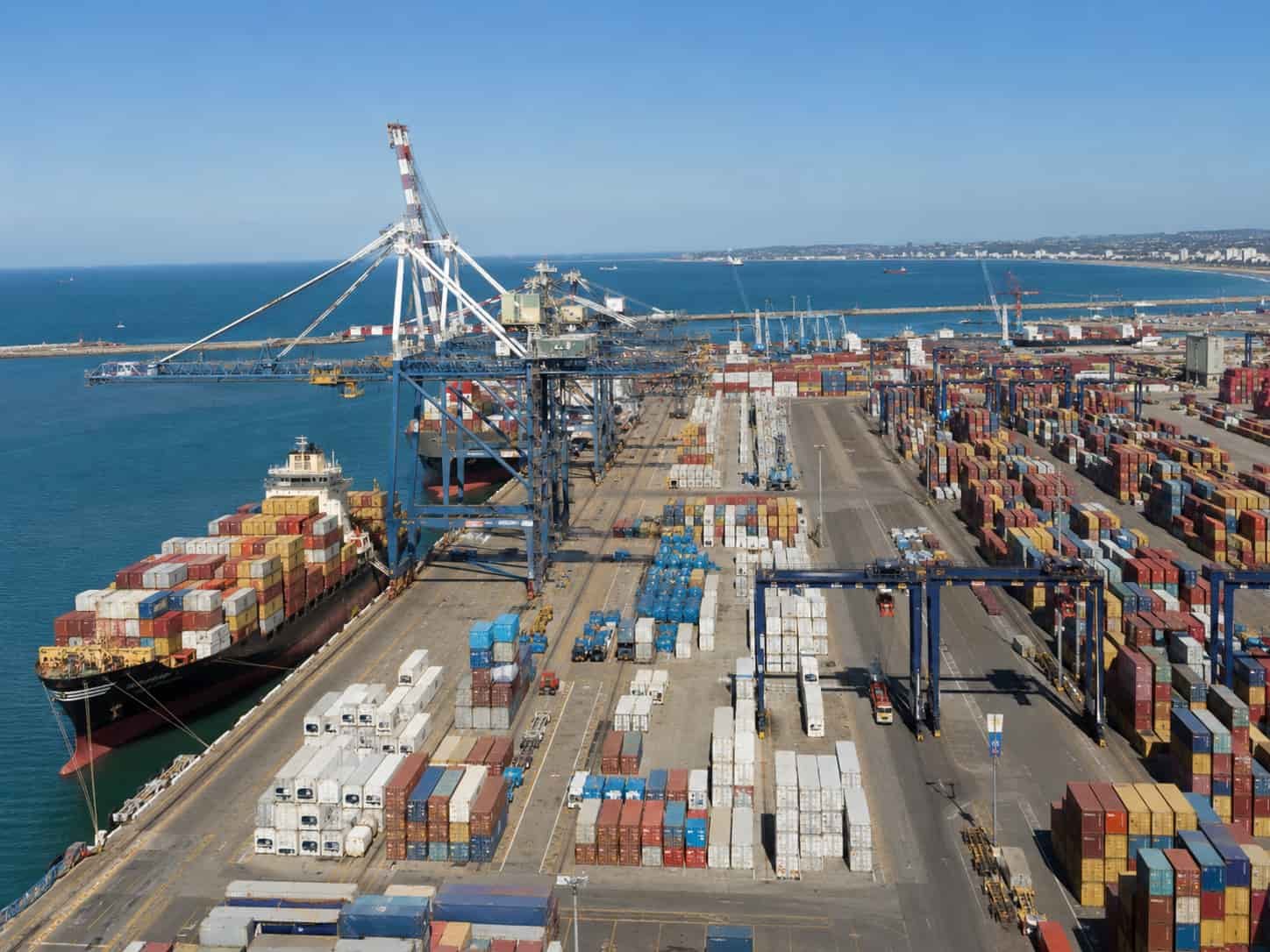
South Africa’s left-hand traffic rule means RHD is required — but the situation is more nuanced than in Kenya. South Africa has a more developed importation pathway for both RHD and (limited) LHD vehicles, and its homologation system through the SABS is distinct.Container ships and vehicle import terminal at Durban Port South Africa for dealers importing cars from China
RHD Sourcing for South Africa

RHD Chinese vehicles for South Africa are sourced through the same channels as for Kenya — from the limited pool of RHD production that Chinese manufacturers make for right-hand drive markets including Australia, Japan, UK, and Southeast Asia. Some brands have significantly more RHD availability than others:

Brand/Model RHD Availability for SA Official SA Presence Notes
BYD Atto3Yes — RHD produced for Australia/NZOfficial BYD dealer in SABest RHD EV option; growing SA brand awareness
BYD SealLimited RHD — primarily LHDOfficial dealer — SA may get RHD versionConfirm current RHD stock with supplier
BYD DolphinYes — RHD availableOfficial BYD dealer in SAEntry EV; growing SA market
GWM/Haval H6Yes — RHD availableOfficial GWM/Haval dealer in SAWell-established; RHD readily available
GWM Tank 300Limited RHD productionGWM dealer — Tank availability growingCheck current RHD availability
Geely Boyue ProLimited RHDOfficial Geely dealer in SACMA platform story resonates in SA premium segment
Geely MonjaroLimited — confirm availabilityOfficial Geely dealer in SAPremium large SUV; growing SA presence
Chery/Omoda 5RHD availableOfficial Omoda dealer in SAGrowing presence; RHD production for SA market
ZEEKR 7XNo RHD currentlyNo SA official presenceLHD only — not for standard SA road registration
Jetour X70/X90/T2Limited — confirm availabilityNo official SA dealer yetGrowing but limited RHD stock

SABS Homologation: What It Means for Importers

South Africa requires that vehicles sold for road use meet SABS (South African Bureau of Standards) regulations. For models that already have an official SA presence (BYD, GWM/Haval, Geely, Chery/Omoda), the manufacturer has already completed homologation — these models can be imported and registered without additional approval.

For models without official SA presence — such as Jetour, some ZEEKR variants, or Changan models not yet in the SA market — a homologation process is required before the vehicle can be registered for road use. This involves testing and approval by a SABS-accredited facility, costs of R50,000–R200,000+ per model, and timelines of several months. For individual dealers importing small quantities, this cost is prohibitive unless shared across a larger import programme.

Design tip: For dealers new to the South African market, the safest starting point is to import models that already have official SA dealer presence — BYD, GWM/Haval, Geely, and Chery/Omoda. These models are already homologated, have established service networks, and carry manufacturer warranty arrangements that South African buyers expect. As your SA import business matures, you can explore models from brands without official SA presence.

South Africa Import Duty: SARS and How It Works

The South African Revenue Service (SARS) administers vehicle imports through its customs division. The duty structure for passenger vehicles is relatively straightforward compared to Kenya’s multi-layer system, but the 14% VAT is a significant additional cost.

Tax Component Rate Applied To Notes
Customs Duty25%CIF valueStandard rate for passenger vehicles from non-SADC countries
VAT15%CIF + customs dutyReclaimable for VAT-registered dealers
Ad Valorem Excise0% (most passenger vehicles)CIF valueCheck if applicable to specific vehicle category
Total effective rate (before VAT reclaim)~43–44%Of CIF value
Effective rate after VAT reclaim~25–28%Of CIF valueCompetitive vs other African markets — register for VAT

Important: South Africa’s 15% VAT is reclaimable for VAT-registered businesses, just as in Saudi Arabia. For a registered SA dealer, the effective duty burden after VAT reclaim is approximately 25% of CIF — making South Africa one of the more competitive duty environments in Africa alongside the Gulf states. Ensure your business is registered as a VAT vendor before building your import model. For comparison with other African markets’ duty structures, reference our Kenya import guide and Ghana import guide.

Landed Cost Calculation: China to South Africa (Durban)

Below is a realistic landed cost calculation for importing Chinese vehicles from Nansha Port to Durban. South Africa’s shorter transit time, reasonable duty rate, and reclaimable VAT make it one of the better-margin import markets in Africa for dealers who are VAT-registered.

Cost Component BYD Atto3 RHD (2yr) Geely Monjaro RHD (2yr) Tank 300 RHD (2yr)
FOB Price (Nansha, RHD)$18,000$22,000$26,000
Ocean freight + insurance$844–$1,055$914–$1,126$984–$1,251
Customs duty (25% CIF)$4,711–$4,764$5,729–$5,782$6,746–$6,813
VAT 15% (reclaimable)$3,533–$3,572$4,297–$4,336$5,060–$5,110
Port + clearance + last-mile$1,100–$1,750$1,100–$1,750$1,100–$1,750
Effective Landed (after VAT reclaim)$24,649–$25,674$29,857–$30,784$34,830–$36,014
Target SA retail (ZAR equiv.)R460,000–R520,000R560,000–R640,000R680,000–R780,000
Gross margin per unit (after VAT reclaim)R50,000–R130,000+R60,000–R150,000+R80,000–R180,000+

Note: Retail prices above are approximate ZAR equivalents at a USD/ZAR rate of approximately 18–19. The Rand has historically been volatile — build exchange rate risk into your margin model. The landed cost figures show that after VAT reclaim, South Africa’s effective duty burden is competitive with many markets. Fast inventory turnover is key to managing Rand exposure.

Durban Port Import Process: Step by Step

Durban Port is South Africa’s primary vehicle import hub — it handles both RORO (roll-on roll-off) vessel traffic and container shipments. For Chinese vehicle imports arriving in containers from Nansha, the process is handled through the container terminal, with vehicles then driven or transported to your lot.

  • Freight booking: your South African freight forwarder books container space from Nansha to Durban. Transit time is 20–28 days — shorter than West African routes.
  • Pre-arrival declaration: your clearing agent submits the import declaration via SARS’s electronic customs system (eSARS/RCG) before vessel arrival, using the commercial invoice, packing list, bill of lading, and certificate of origin.
  • SARS customs valuation: SARS values vehicles based on the CIF invoice value. Unlike Kenya’s CRSP system, South Africa generally accepts invoice-based valuation for used vehicles — though customs may query prices significantly below market rate.
  • Duty and VAT payment: customs duty (25%) and VAT (15%) are assessed and paid by your clearing agent. VAT-registered dealers reclaim VAT through their monthly/bi-monthly VAT returns.
  • SABS/RoadTrafficAct compliance check: for new model types, SABS approval must be confirmed. For models with existing SA homologation (BYD, GWM, Geely, Omoda), this is straightforward. Your clearing agent confirms compliance at this stage.
  • Physical inspection: SARS may select containers for physical examination. Standard for used vehicle imports — VIN verification, condition check, specification match.
  • Container release and unstuffing: once cleared, vehicles are driven out of the container at the port’s vehicle handling area.
  • Roadworthy certificate and registration: all imported vehicles must obtain a roadworthy certificate from an authorised testing station and be registered with the Department of Transport before sale.

Key point: Total timeline from deposit payment to vehicles on your SA lot is typically 50–70 days: 7–15 days for RHD sourcing and loading at Nansha, 20–28 days ocean transit to Durban, 7–14 days for SARS clearance, and 3–7 days for roadworthy and registration. South Africa’s shorter transit time (vs West Africa) is a competitive advantage for inventory planning.

Which Chinese Models Are Best for South Africa?

South Africa’s car market is sophisticated and competitive. Buyers compare specifications carefully, read independent reviews, and research resale values. Chinese vehicles that succeed in South Africa do so on genuine specification merit — not just on price. The models performing best are those with official SA dealer presence, verified safety ratings, and modern interior quality.South African car dealer reviewing Chinese vehicle stock list and EV pricing from Chinese exporter in Johannesburg office

Model SA Status SA Retail Range (ZAR) Key SA Selling Points RHD Available
BYD Atto3Official dealerR480,000–R560,000Leading EV in SA; solar+EV popular; growing brandYes
BYD SealOfficial dealerR620,000–R760,000700km range; Tesla competitor; strong word of mouthLimited RHD
GWM/Haval H6Official dealerR400,000–R500,000Established in SA; good after-sales; value vs JapaneseYes
GWM Tank 300Official dealer (Tank)R680,000–R800,000Off-road credibility; Defender alt; lifestyle segmentLimited
Geely Boyue ProOfficial dealerR420,000–R520,000Volvo CMA platform; 5-star safety; premium familyLimited
Geely MonjaroOfficial dealerR560,000–R680,000Large premium; 15.4" screen; CMA+ vs PalisadeLimited
Chery/Omoda 5Official dealerR380,000–R460,000Entry Chinese SUV; official warranty; safety-ratedYes
BYD DolphinOfficial dealerR380,000–R440,000Entry EV; lower running cost; urban buyersYes

Note: South African buyers increasingly research Chinese vehicles through independent sources before purchase. NCAP safety ratings carry significant weight in SA — models with verified Euro NCAP or C-NCAP 5-star ratings outperform unrated competitors in buyer confidence surveys. For the Geely models’ Volvo platform safety credentials, see our Geely export guide. For Tank 300 off-road credentials, see our Tank 300 and 400 export guide.

Electric Vehicles in South Africa: The Load-Shedding Factor

South Africa’s EV market has a unique dynamic: load-shedding (rolling power cuts, historically Eskom’s rotational outages) has been a concern for EV buyers worried about charging reliability. However, this concern is increasingly mitigated by two factors: the significant reduction in load-shedding severity from 2024 onwards, and the rapid growth of residential solar installations among exactly the demographic most likely to buy a Chinese EV.

In Johannesburg, Cape Town, and Pretoria’s wealthier suburbs — where BYD Atto3 and Seal buyers are concentrated — solar-plus-battery home backup systems have become commonplace. These buyers charge their EVs from solar during the day or from home batteries at night, making load-shedding largely irrelevant to their EV ownership experience. This demographic overlap between solar adopters and EV buyers is a genuine marketing opportunity for SA dealers.

EV Consideration South Africa Reality Dealer Talking Point
Load-shedding impactSignificantly reduced since 2024; home solar covers most casesSolar + EV = fuel-free home energy ecosystem
Charging infrastructureGrowing public network; home charging is primary methodMost SA EV buyers charge at home overnight
Range for SA useBYD Seal 700km suits Jhb–Cape Town highway (1,400km with one charge stop)Long range eliminates range anxiety for most trips
Resale valueImproving as brand awareness grows; BYD and GWM/Haval leadingOfficial dealer = manufacturer warranty = better resale
Service networkOfficial brands have SA service; grey market models do notSell models with official SA service as first priority
EV incentivesNo specific EV import duty reduction in SA currentlyCheck current government position on EV incentives

South Africa vs Other African Markets: Key Differences

Factor South Africa Kenya Ghana Nigeria
Drive sideLEFT — RHDLEFT — RHDRIGHT — LHDRIGHT — LHD
Effective duty (before VAT reclaim)~43–44%~70–80%~40–50%~40–50%
Effective duty after VAT reclaim~25–28%~70–80% (no easy reclaim)~35–40%Limited reclaim
Vehicle age limitNone specific8 years10 years15 years
Homologation requiredYes — SABS (simpler for official brands)KEBS/PVoCCEPS inspectionNAFDAC/SON check
Transit from Nansha20–28 days22–30 days28–38 days25–35 days
Market sophisticationHighest in AfricaMedium-highMediumHigh volume, varied
Chinese brand awarenessHigh — official brands establishedGrowingGrowingStrong

What to Tell Your Supplier When Ordering for South Africa

South Africa orders require careful specification due to RHD and homologation requirements. Include the following in every SA inquiry:

  • RHD REQUIRED: state this clearly. Only models with available RHD variants can be registered for road use in SA.
  • Homologated models preferred: specify brands with official SA presence (BYD, GWM/Haval, Geely, Chery/Omoda) for the simplest registration pathway.
  • Model and variant: SA buyers compare carefully — specify exact model, trim level, and engine variant.
  • Year: no age restriction but newer is strongly preferred in SA. 2021 or newer recommended for best buyer reception.
  • Condition and mileage: SA buyers are quality-conscious — under 30,000km preferred for used vehicles.
  • Safety rating: if available, confirm NCAP rating for the model. SA buyers research this.
  • Colour: white, silver, and black are the most popular in SA. Grey and dark blue perform well in the premium segment.
  • Destination: Durban Port is the standard; Cape Town Port suits Western Cape dealers; Port Elizabeth/Gqeberha for Eastern Cape.
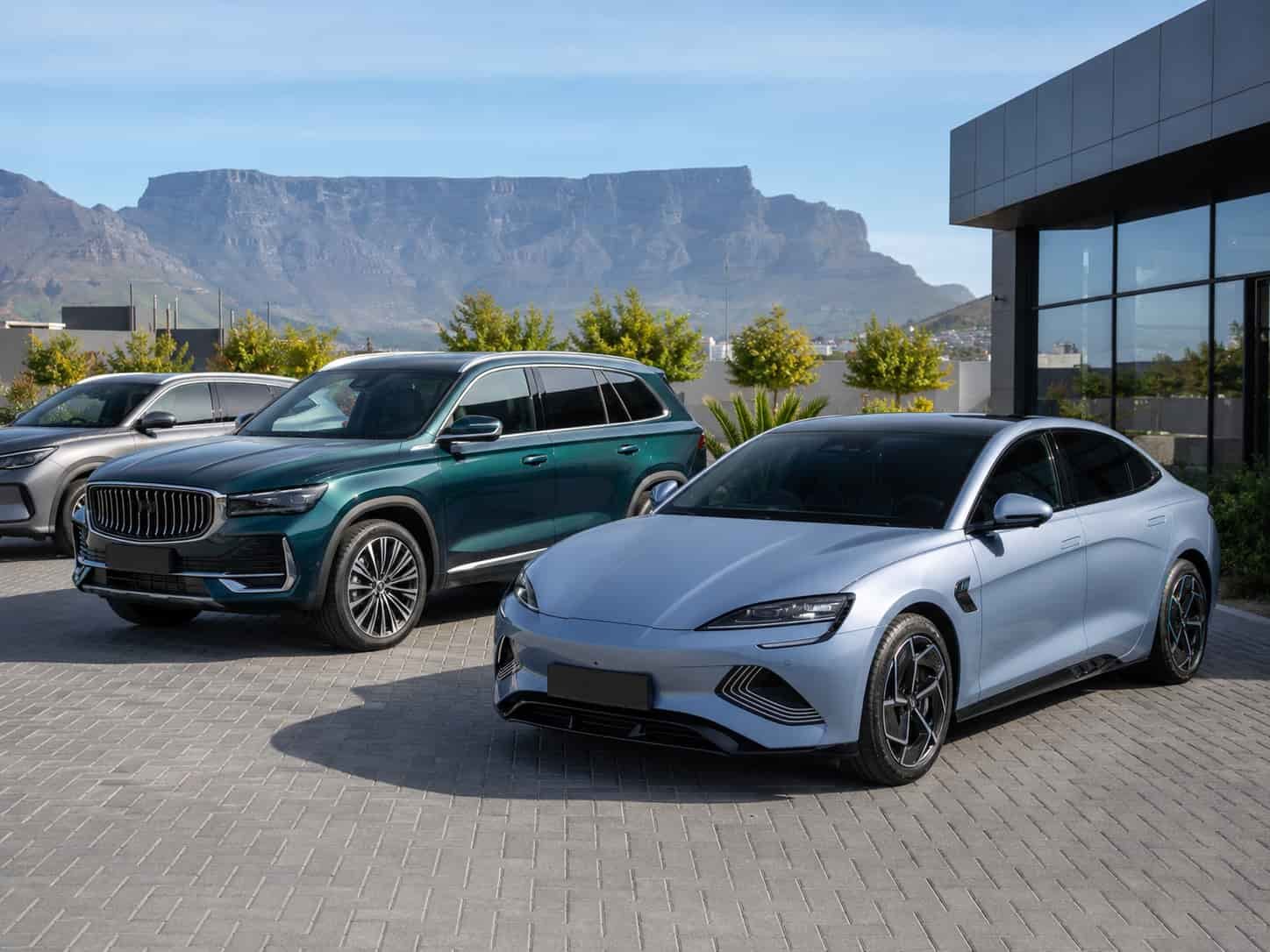
  • FOB budget: confirm your ceiling price at Nansha. RHD models may carry a modest premium over LHD equivalents.BYD Seal electric sedan and Geely Monjaro SUV at a Cape Town South Africa dealer lot after import from China

Conclusion

South Africa is the most commercially sophisticated and brand-aware car market in Africa — and one where Chinese vehicles are making the fastest credibility gains among African markets. The combination of official Chinese brand presence, growing buyer openness to Chinese quality, and South Africa’s status as Africa’s largest automotive market makes it a priority destination for dealers building a Chinese vehicle import business.

The key considerations are the RHD requirement (limiting available Chinese models), SABS homologation (solved by sticking to officially present brands), and the ZAR/USD exchange rate volatility. Dealers who manage these three factors — by sourcing RHD-available, homologated models and maintaining fast inventory turnover — will find South Africa one of the stronger margin markets in Africa, particularly after VAT reclaim.

The strongest starting portfolio for South Africa: BYD Atto3 RHD (EV volume driver), GWM/Haval H6 RHD (mainstream SUV), Geely Boyue Pro RHD (premium family with CMA platform), and BYD Dolphin RHD (entry EV). As your SA import business scales, adding Tank 300 RHD and Geely Monjaro opens the premium segments.

RichingAuto maintains dedicated RHD sourcing for South African dealers and exports via Nansha Port to Durban. Browse our current ready stock listing for available RHD inventory, or contact us on WhatsApp with your target model, year, and budget — we will reply with RHD availability, a stock list, and a per-unit Durban landed cost estimate within 24 hours.

Frequently Asked Questions

QDo cars from China imported to South Africa need to be RHD?+
Yes — SA drives on the left, so RHD is required for road registration. LHD vehicles cannot be registered for general road use. Not all Chinese models have RHD production — confirm before ordering.
QWhat is the import duty on cars from China to South Africa?+
25% customs duty on CIF + 15% VAT = ~43–44% effective rate. After VAT reclaim for registered dealers: approximately 25–28% effective — one of Africa's more competitive duty environments.
QWhat is SABS homologation and do I need it?+
SABS certification that a vehicle model meets SA road standards. Models with official SA dealer presence (BYD, GWM/Haval, Geely, Omoda) are already homologated — straightforward to import and register. New models without SA presence need homologation: R50,000–R200,000+ per model. Start with officially present brands.
QWhich Chinese brands have official dealers in South Africa?+
BYD, GWM (Haval and Tank), Geely, and Chery (Omoda/Jaecoo) all have official SA dealer networks. These models are homologated, have service networks, and carry manufacturer warranty — giving SA buyers the confidence they expect.
QHow does load-shedding affect EV imports to South Africa?+
Less than previously. Load-shedding severity has reduced significantly since 2024, and high-income SA buyers who purchase Chinese EVs typically have solar-plus-battery home systems — making grid dependency largely irrelevant to their EV experience.
QWhich port is used for importing cars from China to South Africa?+
Durban Port — primary vehicle import gateway. Transit from Nansha: 20–28 days (one of Africa's shorter routes from China). Cape Town serves Western Cape dealers. Durban-to-Johannesburg land transport adds ~$400–$700 per vehicle.
QWhat is the best Chinese car portfolio to start with for South Africa?+
BYD Atto3 RHD (EV volume), GWM/Haval H6 RHD (mainstream SUV), Geely Boyue Pro RHD (premium family/CMA), BYD Dolphin RHD (entry EV). All four have official SA presence, RHD availability, and established service networks.